





Internal Vibration Molding Machine | Precast Concrete Hollow Core Slab Molding Equipment manufacturers

Internal Vibration Molding Machine | Precast Concrete Hollow Core Slab Molding Equipment suppliers
Internal Vibration Molding Machine | Precast Concrete Hollow Core Slab Molding Equipment factory
Internal Vibration Molding Machine | Precast Concrete Hollow Core Slab Molding Equipment best
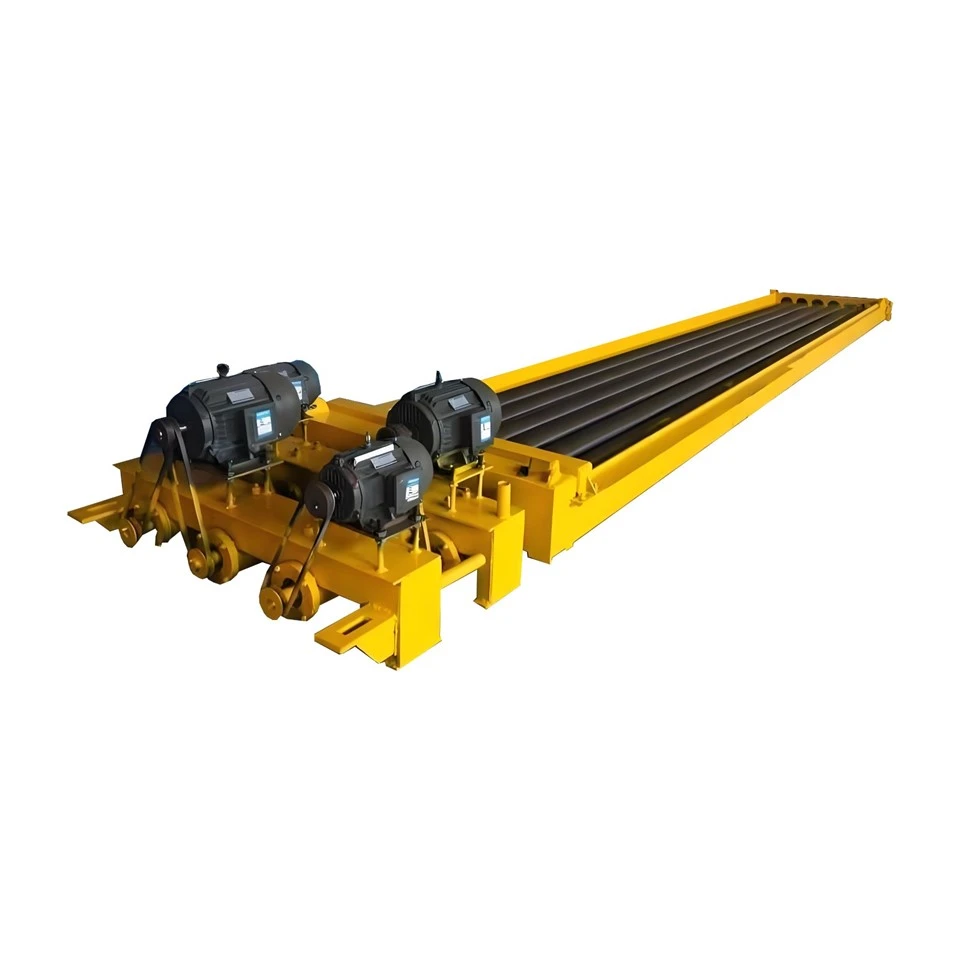
Internal Vibration Molding Machine | Precast Concrete Hollow Core Slab Molding Equipment high quality
Internal Vibration Molding Machine | Precast Concrete Hollow Core Slab Molding Equipment

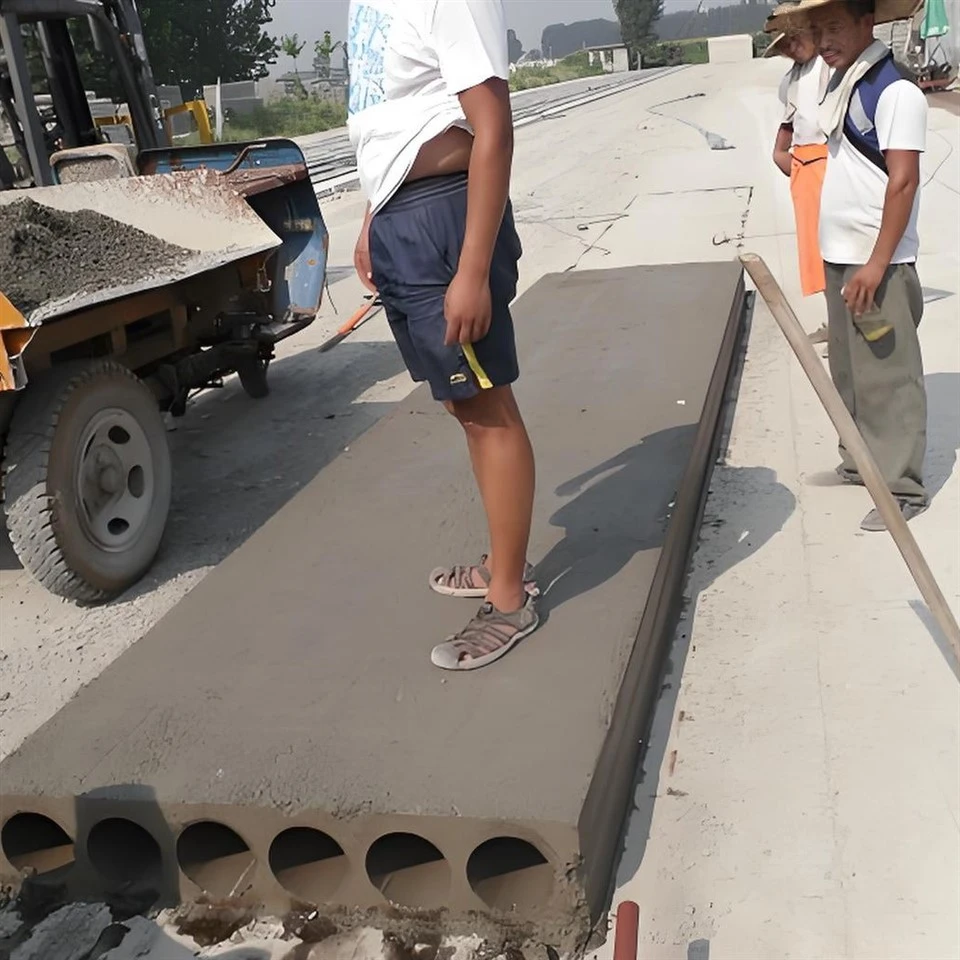
Internal vibration molding is the most flexible of the three ways to form a prestressed hollow core slab. Instead of extruding the concrete or pushing a fixed profile through it, the machine draws steel core tubes through a charged mould while internal vibrators compact the mix from the inside. The result is a slab whose thickness and core diameter you can change without buying a new machine.
We build three sizes - Type 120, Type 180 and a Type 220 unit developed for Central Asian conditions, where wider and thicker slabs are the norm. This page explains how the process compares with extrusion and push-extrusion, what the core tube diameter decides, and how to set up the bed so the machine runs straight.
If you are comparing forming methods across the whole line, read this page alongside our hollow core slab extruder and push-extrusion slab machine pages - the three methods produce the same family of products but suit very different plants.
How internal vibration molding works
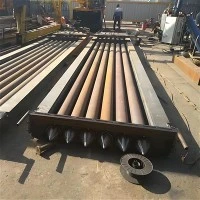
The machine sits on a prestressed bed. Concrete is charged into the mould box, and the core tubes are drawn through the mix as the machine travels. Vibrators mounted inside the tube assembly compact the concrete immediately around each core, which is what gives the slab its dense surface and consistent void shape.
Because the compaction energy is delivered from inside rather than from the mould wall, the process tolerates a wider range of mix designs than extrusion does. It also handles thickness changes more gracefully: the same machine body can form different slab thicknesses by changing the mould box and the core tubes, which is why plants that run a varied product mix tend to prefer this method.
The trade-off is speed. Internal vibration molding runs more slowly than a continuous extruder, and the surface finish depends more on the operator. If your business is one dominant slab section produced at high volume, the extruder is usually the better answer. If your order book changes shape from month to month, this is the machine that keeps up.
The three models at a glance
All three models are semi-automatic internal vibration machines. Section, length and core tube can be configured to your product mix - the table shows the standard configuration for each size.
The core tube decides your void ratio
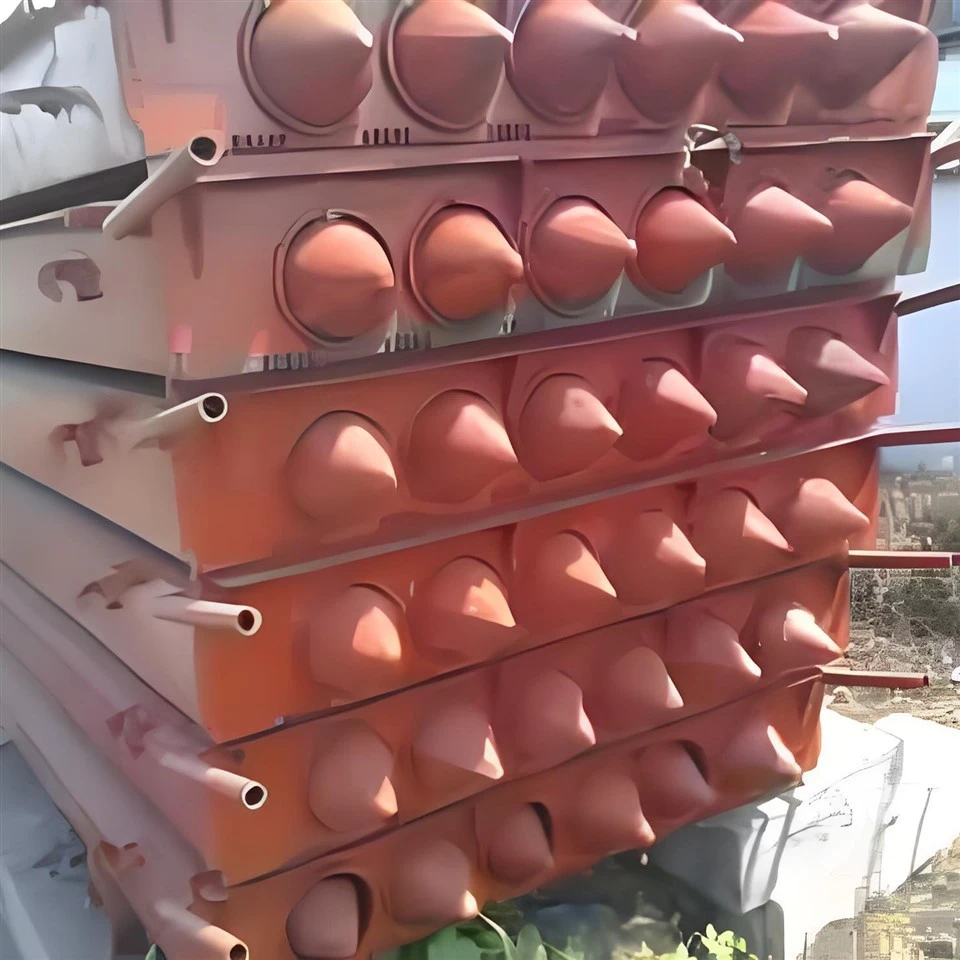
The core tube diameter is the number that turns a solid section into a hollow one, and it therefore decides how much concrete you save on every metre of slab. A φ 76 mm tube suits thin slabs where the voids are there mainly to cut weight. A φ 126 mm tube creates a much larger void, which reduces the concrete content per metre and improves the thermal performance of the finished floor, but it also demands a stronger mix and more careful compaction around each tube.
Tube spacing matters as much as tube diameter. Tubes set too close together leave a thin web between voids that can crack during stripping; tubes set too far apart waste concrete. We size the tube pitch against your slab width so the webs stay within the structural minimum, and we supply replacement tubes as a matched set rather than as individual items.
Slabs formed this way are normally prestressed. The prestressing sequence and the equipment it needs are set out on the pre-stressed hollow core slab forming machine page.
Setting up the bed
Almost every slab defect traced back to tooling comes from the bed, not the machine. The bed must be straight, level and clean, and the prestressing strands must be tensioned evenly before the machine travels. A bed that is out of level by a few millimetres over its length will produce a slab that varies in thickness from one end to the other, and the machine will steer.
- Level and straighten the bed before the first cast, then re-check it after the first few slabs while the foundation is still settling.
- Clean the bed after every cast. Set concrete on the bed acts as a wedge and is the most common cause of a machine that suddenly runs off line.
- Tension strands evenly. Uneven tension shows up as a slab that curls or cracks at the ends, and it is easy to mistake for a concrete problem.
- Keep the rails parallel. Measure the track width at both ends and in the middle; a bed that tapers will steer the machine regardless of how well it is set.
Concrete mix and vibration settings
Precast bed work rewards a consistent mix far more than a sophisticated one. The reference ratio we recommend is one part cement to two parts sand to three parts stone. Sand should be river sand or washed sand, and the stone should be 5–10 mm material - around one centimetre and below. Reinforcement, where used, is normally cold-drawn wire between 2.8 mm and 3.5 mm.
Water content is the variable that causes the most trouble. Too much water and the slab slumps, the surface bleeds and the cores deform as the tubes are withdrawn. Too little and the mix does not compact properly around the tubes, leaving voids in the webs. Aim for a mix that holds its shape when the tube is pulled and does not bleed at the surface.
Internal vibrators run on grease-lubricated bearings. Use a calcium-based grease and renew it every 150 to 200 running hours, filling the bearing cavity about one third full. Over-packing forces grease past the seals and causes premature failure - a filled cavity is not a better-lubricated cavity.
Operating sequence and safety
- Start the feed system before the vibrators, never the other way round. On restart after an interruption, reverse the order.
- Do not let a charged machine stand for more than about 30 minutes. Concrete that begins to set around the tubes will not release cleanly and can damage the tube assembly.
- Withdraw the core tubes at a steady rate. A jerky withdrawal drags aggregate and leaves a scored core surface.
- Keep hands and clothing clear of the tube entry while the machine is travelling. Tube withdrawal is the highest-risk moment in the cycle.
- Below minus 10 degrees centigrade, warm the gearbox before starting, check the oil level every three months and change the oil once a year.
Common defects and how to clear them
Frequently asked questions
What is internal vibration molding?
It is a slab forming method in which steel core tubes are drawn through a charged mould while vibrators mounted inside the tube assembly compact the concrete. Because the compaction energy comes from inside the section rather than through the mould wall, the process handles a wider range of mix designs and slab thicknesses than extrusion.
How does it differ from extrusion and push-extrusion?
Extrusion forces concrete through a fixed die and produces a continuous slab at high speed. Push-extrusion pushes a fixed profile through the mix with a dense, low-wear structure. Internal vibration molding is slower, but it is the most flexible of the three because the mould box and core tubes can be changed to suit a different section.
Which model suits a small plant?
Type 120 covers slabs from 120 mm thick and 500 to 1200 mm wide with a φ76 mm core tube, and machines in this size weigh under 1500 kg. It is the usual starting point for a plant running one bed with a mixed order book.
What is the Type 220 machine for?
Type 220 forms a 220 mm by 1200 mm slab with a φ126 mm core tube and slab lengths from 6500 to 7500 mm. It was developed for Central Asian conditions, where construction practice favours wider and thicker floor slabs than the standard European section.
Why does the core tube diameter matter?
The tube diameter sets the void ratio, and the void ratio sets how much concrete you use per metre of slab. A larger tube removes more material and improves thermal performance, but it needs a stronger mix and more careful compaction around each tube so the webs do not crack during stripping.
Can one machine form more than one slab thickness?
Yes. Changing the mould box and the core tube assembly is what changes the section, which is why internal vibration machines are preferred by plants whose product mix shifts during the year. The machine body and drive stay the same.
What causes broken or slumping side edges?
Two causes account for most cases: oversized stone that cannot pass through the section, and a vibrator bearing that has run dry so the compaction energy drops. Screening the aggregate and greasing the bearings on the recommended interval clears most of them without touching the machine settings.
How often do the vibrator bearings need greasing?
Every 150 to 200 running hours, with a calcium-based grease, filling the bearing cavity about one third full. Over-filling is a common mistake: excess grease is forced past the seals and the bearing fails sooner, not later.
Technical conclusion
Internal vibration molding is the right answer when your product mix moves. It gives up some of the speed of a continuous extruder in exchange for being able to change slab thickness and core diameter by changing tooling rather than machinery.
Decide the slab section and the core tube diameter first, then check the bed. In our experience more defects come from an out-of-level bed or a dirty track than from the machine itself, and no amount of adjustment at the machine will compensate for a bed that has moved.
What we supply
We build internal vibration molding machines in Type 120, Type 180 and the Type 220 unit for Central Asian sections, together with the mould boxes, core tubes and replacement vibrators that keep them running. The same workshop produces the hollow core slab extruders and push-extrusion slab machines that cover the other two forming methods, so we can recommend against our own product when it is the wrong fit.
Every machine is built to your section, tested under load before shipment and sent with a test video and a spare-parts list matched to the model. Prestressing and cutting equipment for the same line is listed under slab machines.
Next step
Tell us four things and we will specify the machine rather than quote a class: (1) the slab thickness and width you need to form, (2) your usual slab length, (3) the total length of your production bed, and (4) whether the slabs will be prestressed. If the section is still open, describe the buildings you are supplying and we will work back from the floor design.
Our engineers can be reached through the contact page, and the rest of the forming range is on the slab machine category page.
Hot Tags: internal vibration molding machine | precast concrete hollow core slab molding equipment, China internal vibration molding machine | precast concrete hollow core slab molding equipment manufacturers, factory, slab accessories machine, slab components machine, slab cutter machine, slab cutting tool, slab processing plant machine, slab testing machine
Previous
No InformationYou Might Also Like


Send Inquiry