


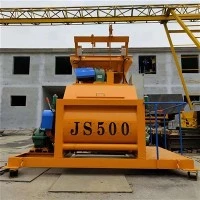


Concrete Batching Machine PLD600-2400 | Aggregate Batching Plant For Precast Concrete manufacturers

Concrete Batching Machine PLD600-2400 | Aggregate Batching Plant For Precast Concrete suppliers

Concrete Batching Machine PLD600-2400 | Aggregate Batching Plant For Precast Concrete factory

Concrete Batching Machine PLD600-2400 | Aggregate Batching Plant For Precast Concrete best
Concrete Batching Machine PLD600-2400 | Aggregate Batching Plant For Precast Concrete
A concrete batching machine is the first machine in a precast production line, and the one that decides whether everything downstream runs at a steady pace. It meters sand, stone and cement by weight, discharges them into a mixer in the correct order, and repeats that cycle hundreds of times a day without drifting out of tolerance.
The PLD range we build covers six models, from PLD600 for a single-bed workshop up to PLD2400 for a continuous slab line. Every model is available in more than one plate thickness, which is the difference between a machine that lasts three wet seasons and one that lasts ten.
This page sets out what each model can do, how batching accuracy affects your cement bill, and how to size the machine against the mixer you already run. If you are still choosing the mixing end as well, start with our JS500 concrete mixer page, because the two machines have to be matched.
What a concrete batching machine actually does
A batching machine holds two to four aggregate bins under a travelling weighing hopper. Sand and stone are discharged from the bins onto a belt or into the hopper, weighed to a set point, and then released into the mixer. Cement is normally batched separately, by screw conveyor or by a dedicated cement hopper with its own load cell.
The whole point is repeatability. If the batching machine delivers 3 per cent too much cement on every batch, you will not notice it in the finished slab - but you will pay for it in every cubic metre you pour, and the extra fines will change the workability of the mix. Batching accuracy is therefore a cost decision as much as a technical one.
Our PLD machines hold a weighing accuracy of plus or minus one to two per cent across the full working range. That tolerance is held by the weighing frame and load cells, not by the operator, so it does not drift when a new shift takes over. Weighing and control hardware is described on the high efficiency flat mouth mixer page for plants that batch and mix in one unit.
The PLD range at a glance
Theoretical output assumes dry aggregate, continuous feed and a mixer able to absorb the discharge rate. In practice your real output is usually set by the mixer cycle, not by the batching machine - which is why we size the two together.
Plate thickness is the specification buyers overlook
Every PLD model is offered in several plate thicknesses. The bin walls take abrasive stone and constant vibration, so the plate thickness sets the service life of the machine far more than any other single number. Thicker plate also reduces the amount of vibration transmitted to the frame, which keeps the load cells stable and protects the weighing accuracy over time.
If you are running washed river sand and 5–10 mm crushed stone, a mid-range plate is normally sufficient. If your aggregate is sharp crushed granite or you work two shifts, take the thickest plate available for that model - the price difference is small compared with the cost of replacing a bin.
The same logic applies to the forming machinery downstream: heavy, abrasive mixes wear a slab machine the same way, which is why we list thickness and wear-plate options on the hollow core slab extruder as well.
Sizing the batching machine to your plant
Work backwards from the mixer, not forwards from the batching machine. A JS500 mixer absorbs roughly 25 cubic metres per hour; a JS750 absorbs about 37. Between the mixer and the batching machine sit the skip hoist and the discharge chute, and those, not the belt, are normally the bottleneck.
- Match or slightly exceed the mixer. If the batching machine cannot keep the mixer fed, the mixer cycle stretches and your daily output falls - even though nothing on the mixer has changed.
- Count your aggregate types. Two bins cover sand and one stone size. Three or four bins let you run two stone sizes or a second sand grade without re-loading mid-shift.
- Check the discharge height. Our machines cover a discharge height from 2200 mm to 3200 mm. If your mixer is on a raised platform or you use a skip hoist, confirm the figure before ordering.
- Plan for loading. A wheel loader is the fastest way to keep the bins full. Some plants use a belt feed tricycle where space is tight; see the belt feed tricycle page for that layout.
Installation and operating notes
A batching machine is a weighing instrument, so it has to be set on a level, rigid foundation. A frame that rocks or settles under load will push the load cells out of calibration and the machine will quietly over-batch. Pour a foundation that extends below the frost line, and level the frame with shims before grouting.
- Start the machine in the order of the production flow - feeding first, then mixing, then forming. Never switch on the vibrators before the feed system is running.
- After an interruption, restart in the reverse order of shutdown.
- Do not leave a charged machine idle for more than about 30 minutes. Aggregate on the belt and cement in the hopper will start to set, and cleaning a set batch out of a hopper costs a shift.
- Grease and inspect the load cell mounts every 150–200 running hours. Filling the bearing cavity about one third full is the correct amount - over-packing pushes grease past the seals.
- Below minus 10 degrees centigrade, warm the gearbox before starting. Check the oil level every three months and change the oil annually.
Common faults and how to clear them
Frequently asked questions
What is the difference between a batching machine and a mixer?
A batching machine measures and delivers the ingredients; a mixer combines them. A batching machine holds two to four aggregate bins with weighing hoppers, while a mixer has a drum or pan that turns the measured materials into concrete. Most precast plants run one batching machine feeding one mixer.
How many aggregate bins do I need?
Two bins cover the common case of sand plus one stone size. Three or four bins are worth having if you run two stone grades or change sand source between jobs, because they let you switch recipe without emptying and reloading a bin mid-shift.
How accurate is the weighing system?
Our PLD machines hold plus or minus one to two per cent over the full weighing range. That tolerance is set by the weighing frame and load cells rather than by the operator, so it stays consistent between shifts as long as the frame stays level and the calibration is maintained.
Why does plate thickness matter so much?
The bin walls carry abrasive stone and constant vibration. Thicker plate wears more slowly, distorts less and transmits less vibration into the weighing frame. On a machine that runs every day, plate thickness is the single biggest factor in how long the equipment stays accurate.
Can a batching machine feed two mixers?
Yes, but only models with sufficient output and a suitable discharge arrangement. Two mixers drawing from one batching machine normally require the larger models in the range, and the discharge chute has to be able to swing or split without interrupting the weighing cycle.
What foundation does it need?
A level, rigid concrete foundation that extends below the frost line. The frame must be levelled with shims and grouted before the load cells are calibrated. A frame that settles or rocks will throw the weighing system out of tolerance even if the machine itself is undamaged.
How do I keep the weighing accurate over time?
Keep the frame level and the foundation sound, keep the load cell mounts clean and greased, and re-calibrate against a known weight at the start of each season. Avoid welding or bolting anything to the weighing frame, since that changes the load path and invalidates the calibration.
Does the machine work with recycled or manufactured sand?
It will, provided the moisture content is controlled. Manufactured sand and recycled fines tend to hold more water and flow less freely, so bin angles and belt speed may need adjusting and stockpile drainage becomes more important. We can advise on the configuration once we know the aggregate you intend to use.
Technical conclusion
The batching machine is the least costly place in the plant to lose money, and the least costly place to save it. A machine that holds one to two per cent accuracy protects your cement consumption every single day, and a bin built from thick plate keeps holding that accuracy after several seasons of abrasive stone.
Size the machine against the mixer you already own, count the number of aggregate grades you actually run, and confirm the discharge height before you order. Those three numbers decide the model far more reliably than a catalogue comparison.
What we supply
We build the complete front end of a precast line: PLD batching machines in six models and multiple plate thicknesses, JS500 and JS750 concrete mixers, vertical flat mouth and vertical shaft mixers, and the feed tricycles and handling equipment that move material between them. Because the range is built in one workshop, the batching machine and the mixer are sized against each other rather than sold as unrelated items. More of the range is listed on the building materials machinery category page.
Every machine is built to order to your aggregate specification. We test it under load before shipment and send you the test video with the machine, together with the spare parts list matched to the model you have bought. If you also form slabs, the same approach applies to the slab machine range.
Next step
Send us three numbers and we will come back with a specific model rather than a catalogue reference: (1) the mixer you run and its hourly capacity, (2) how many aggregate grades you need to batch, and (3) the discharge height your mixer or skip hoist requires. If you are still planning the line, tell us the products you intend to make and your target daily output - we will work the batching and mixing specification back from that.
You can reach our engineers through the contact page, or review the rest of the range on the building materials machinery category page.
Hot Tags: concrete batching machine pld600-2400 | aggregate batching plant for precast concrete, China concrete batching machine pld600-2400 | aggregate batching plant for precast concrete manufacturers, factory, batching machines for building materials components, construction machinery, forming machines for building materials products, large sized building materials machinery, pulverizing machinery, unloading machinery for building materials
Previous
No InformationYou Might Also Like


Send Inquiry