



Building Materials Machinery
Shandong Feiyu Electromechanical Technology Co., Ltd — Precast Concrete Machinery
Our company, founded on June 3, 2019, is a professional manufacturer specializing in precast concrete forming machines. From the beginning, we have focused on R&D and production of prestressed hollow core slab machines, concrete extrusion machines, fence panel machines, column machines, purlin machines, and lintel machines. Over the years, we have expanded our product line to include complete concrete batching and mixing systems, concrete mixers (JS series) , and automatic batching machines (PLD series) , offering turnkey solutions for precast concrete factories.
Why Choose Us
Quality Assurance | Precast Machine Manufacturer
Our precast concrete machines are known for stable quality, easy operation, long service life, and convenient maintenance. We produce over 40 varieties of building materials equipment, including wall panel machines, fence post machines, hollow core slab extruders, and concrete mixers. All machines are manufactured with advanced process standards and unified spare parts, ensuring consistent quality.
Professional Service | Global Precast Support
Spare parts are dispatched promptly and quickly.
24-hour technical support and customer consultation.
Lifelong maintenance service and spare parts supply provided.
Factory video tours, online installation guidance, and technical training available.
Production Strength | Factory Facility
Our 10,000 sqm factory is equipped with:
630kVA transformer, 5T gantry crane, 75kW diesel generator
Intelligent boring machines, planers, and 5 sets of welding robots
Full inspection equipment ensuring every concrete forming machine is delivered with strict quality control.
Export Markets | Trusted Worldwide
Our precast concrete machines are sold across China and exported to Russia, Uzbekistan, Kazakhstan, Thailand, Bangladesh, India, Nigeria, Malaysia, Indonesia, Philippines, South Africa, Saudi Arabia, Brazil, and more. We understand international shipping, wood case packaging, and customs documentation.


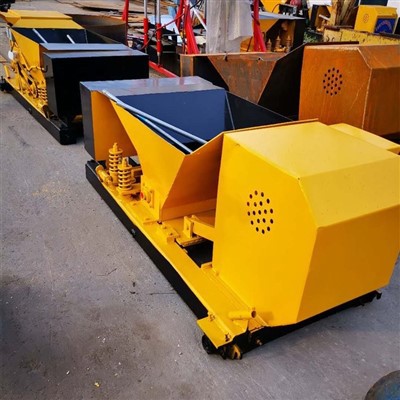


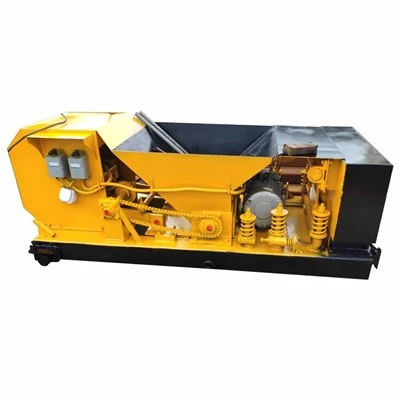
What is a Precast Concrete Forming Machine?
A precast concrete forming machine is a specialized piece of equipment designed for the efficient production of precast concrete elements such as hollow core slabs, wall panels, fence panels, columns, lintels, and purlins. These machines are engineered to deliver high-density, uniform concrete products through vibration or extrusion technology, making them essential for residential, commercial, and infrastructure construction projects.
Benefits of Precast Concrete Machines
Improved Production Efficiency
Increases daily output speed — producing hundreds of linear meters of slab or panel products per day.
Continuous forming technology reduces the time and effort required for traditional manual casting and mold setting.
Long Service Life
Molds are manufactured with high manganese steel or alloy steel, providing wear resistance from 200,000 up to 400,000 linear meters.
Heavy-duty gearboxes (JZQ series) and vibration motors ensure consistent performance under high-load conditions.
Cost-Effectiveness
Reduces labor costs by automating the concrete feeding, vibration, and forming process.
Cutting-free technology saves extra expenses for cutting discs and manual trimming.
Standardized spare parts lower maintenance costs over the machine life cycle.
Safety & Structural Integrity
Enhanced production safety with enclosed electrical control systems and remote operation capability.
Products meet C25–C35 concrete strength standards, ensuring structural reliability for construction use.
Product Types: Precast Concrete Machinery
The materials are added to the cylindrical container and then mixed together by rotation. The mixing action can be either continuous or batch. Continuous mixing means that the materials are constantly being mixed together as they pass through the mixer. Mixing of the materials takes place through rotating the mixer blades at very high speed and movement of the material or mixture from the mixer centre and back to the different walls. A blade that has been specially curved facilitates gentle mixing while avoiding the possibility of breakage.
What is the Difference Between a Vertical Mixer and a Horizontal Mixer?
Structure
The cylinder of the vertical mixer is set vertically, usually a cylinder or cone. Materials are added through the upper feed port and discharged from the bottom after mixing. It usually has a smaller footprint and is suitable for places with smaller spaces. The cylinder of a horizontal mixer is set horizontally, usually a rectangular parallelepiped or cylinder. Materials are added through the feed port on one side and discharged from the discharge port on the other side after mixing. It usually has a larger footprint and is suitable for places with larger spaces.
Mixing effects
During the mixing process of the vertical mixer, the materials are affected by gravity and mixed through free fall and impact. Therefore, for materials with larger particles and larger density differences, vertical mixers have better mixing effects. The horizontal mixer stirs and turns the materials through a rotating stirring device to mix the materials more evenly. Therefore, for materials with smaller particles and smaller density differences, the horizontal mixer has a better mixing effect.
Mixing speed
Vertical mixers have relatively fast mixing speeds due to the free fall and impact of materials. The horizontal mixer has a relatively slow mixing speed due to the stirring device. Therefore, when fast mixing is required, a vertical mixer can be selected; and when mixing speed is not required, a horizontal mixer can be selected.
Scope of application
Vertical mixers are suitable for materials with larger particles and larger density differences, such as granular, lumpy or powdery materials. It is commonly used in metallurgy, mining, building materials and other industries. The horizontal mixer is suitable for materials with smaller particles and smaller density differences, such as powder and granular materials. It is commonly used in chemical, pharmaceutical, food processing and other industries.
What to Consider When Choosing a Vertical Mixer
Mixing capacity
Determine the volume of materials you need to mix in a single batch. Choose a vertical mixer that can handle your required capacity to ensure efficient operation and prevent overloading the mixer.
Material compatibility
Consider the types of materials you will be mixing. Ensure the mixer is designed to handle the specific characteristics of your materials, such as density, viscosity, and particle size. Some mixers are better suited for dry materials, while others excel with wet or sticky substances.
Power and efficiency
Evaluate the power requirements of the mixer and its energy efficiency. A more powerful mixer can handle tougher materials and larger batches, but it may also consume more energy. Look for a balance between power and energy efficiency that meets your operational needs.
Mixing homogeneity
Assess the mixer's ability to produce a consistent and uniform mixture. The design of the mixing blades, speed settings, and overall construction should ensure thorough mixing without leaving any unmixed pockets of material.
Application of Vertical Mixer
Construction industry
Construction industry increasingly requires short mixing times and consistent homogeneity for the production of precast/pre-stressed concrete and ready-mix concrete. This has led to the refinement of technologies used in concrete mixing. Vertical mixers are widely used for preparing precast and heavy-duty pre-stressed concrete.
Mixing feedstuffs
This type of mixer employs the vertical auger mixing methodology. Its strength lies in its versatility when it comes to mixing and processing the broadest variety of feedstuffs. It will work well for small grains, concentrates, round/square bales, short-cut forages, baleage, and other types of difficult materials. It works best when used in rations with higher forage content or percentages of very dry hay.
Mixing dry materials, glass & ceramics
The rapid developments being witnessed in ceramic-based composites and technical ceramics has pushed manufacturers into seeking new and better production methods. The strength, performance, and durability of speciality composites and ceramics have a direct correlation to the mixing. Although diverse products will differ in their handling, forming and the finishing, at the core of the process, is the procedure used in mixing.
Homogenising & coating bulk materials
The vertical mixer is best suited for coating, mixing, and homogenising bulk materials as well as for evaporating suspensions. The different processes could be as simple as the mixing of cellulose powders typically used in the cellulose industry, wine additives mixing in the food technology sector, zeolites homogenising performed in the chemical-based industries, or in the conditioning of iron powder using additives employed in diverse metallurgic applications.

What Are the Key Components of a Vertical Mixer?
Mixing drum
Lt is the key component to realize material mixing. It is usually designed as a rotatable cylindrical or conical structure with special blades installed inside.
Drive system
Responsible for providing power to make the mixing drum rotate. The mixer can be hydraulically driven or electrically driven, the hydraulic drive provides greater torque and is suitable for large mixers, and the electrically driven mixer is more environment-friendly and economical.
Discharging system
Allows the mixed concrete to be discharged smoothly from the mixing drum, usually including discharging gate or discharging chute, and some are equipped with special discharging device, such as pneumatic or hydraulic control discharging gate.
Mobile system
The mixer truck can move freely in the construction site, improve the efficiency of operation. The mobile system can be self-propelled or towed.
Operation control system
Responsible for all operations of mixer truck, including mixing, transportation and unloading, etc. The operation and control system of modern mixer truck is more and more automatic and intelligent, which improves the convenience and safety of operation.
Supporting structure
Including frame, shaft and wheels, etc., which provide necessary support and mobility for the mixer truck.
Safety devices
Such as emergency stop button, safety warning light, etc., to ensure the safety of operators and construction site.
How to Maintain Vertical Mixer
Regular cleaning
Regular cleaning is essential to ensure that the mixer is free from contaminants and residues that may affect the quality of the mixed material. The mixer should be cleaned after each use using the appropriate cleaning agents.
Lubrication of moving parts
Moving parts of the vertical mixer, such as the agitator and bearings, should be lubricated regularly to ensure smooth operation and prolong the mixer’s lifespan.
Inspection of wear and tear
Regular inspection of the vertical mixer's parts is critical in identifying any wear and tear, which may lead to equipment failure. Worn-out parts should be replaced promptly to avoid downtime and ensure the safety of the operation.
Replacement of damaged parts
Damaged parts should be repaired or replaced promptly to ensure the vertical mixer's efficient operation and prevent further damage.
What is Cattle And Sheep Feeder
Cattle and sheep spreader is a kind of mechanical equipment specially designed for agricultural breeding, aiming to improve the feeding efficiency and convenience in the process of raising cattle and sheep. It is the right-hand man of farmers and farm owners, which can effectively reduce labor intensity and improve production efficiency. It can accurately adjust the amount and range of feed spread through an automated control system to ensure that feed can be evenly and quickly covered to the entire feeding area.
Benefits of Cattle And Sheep Feeder
Cattle and sheep feeders provide a controlled environment for feeding, allowing farmers to regulate the amount and type of feed consumed by their cattle and sheep. With traditional feeding methods, there is often wastage as feed gets trampled, soiled, or scattered. Feeders help minimize wastage by keeping the feed contained and protected from environmental factors such as rain, wind, and pests.
Contaminated feed can pose significant health risks to cattle, leading to illness and decreased productivity. Cattle and sheep feeders help prevent feed contamination by keeping the feed off the ground and away from dirt, feces, and other contaminants. Clean, uncontaminated feed also promotes better digestion and nutrient absorption in cattle and sheep, contributing to overall herd health and well-being.
Feeding cattle manually can be a time-consuming and labor-intensive task, especially on larger farms with sizable herds. Cattle and sheep feeders automate the feeding process, allowing farmers to save time and labor. With feeders, farmers can fill the feeder with a large quantity of feed at once, reducing the need for frequent refilling.
In multi-animal environments, such as feedlots or communal grazing areas, competition for feed can lead to stress and aggression among cattle and sheep. Cattle and sheep feeders help minimize feed competition by providing multiple feeding spaces, allowing each animal to access feed without interference from others. This reduces stress levels in the herd and promotes a calmer, more harmonious feeding environment.
Efficient feed utilization is crucial for maximizing weight gain and profitability in cattle and sheep farming. Cattle and sheep feeders promote feed efficiency by minimizing wastage and ensuring that each animal receives its allocated portion of feed. With consistent access to clean, high-quality feed, cattle can achieve optimal growth rates and reach market weight more quickly.
The capacity of a typical cattle and sheep feeder varies based on its design and purpose. Bunk feeders generally hold between 100 to 500 pounds of feed, while hay racks can accommodate several bales of hay, depending on their size. Creep feeders for young animals typically have a capacity of 200 to 500 pounds. Automatic feeders' capacities can range from small units holding 50 pounds to larger models storing several hundred pounds.

How do you Prevent Feed Wastage With Cattle and Sheep Feeders?

To prevent feed wastage with cattle and sheep feeders, ensure the feeders are designed to minimize spillage and trampling, such as using elevated or bunk feeders that keep feed off the ground. Regularly check and maintain the feeders to repair any damage that could lead to spillage. Adjust the feeding schedule to provide only the amount of feed the animals can consume in a short period, reducing the chances of feed being left uneaten and spoiled.
Components of Cattle And Sheep Feeder
Cattle and sheep and the structure of the material car electric cattle and sheep and the material car is mainly composed of motor, battery, hopper, and the material device and other components. The motor is responsible for driving the whole equipment to run, and the battery provides power for the motor. The hopper is used for loading feed, and the material spreading device is used for uniformly spreading the feed in the hopper to the feeding trough of the cattle and sheep.
Farm size and demand
The size of the farm and the number of cattle and sheep directly affect the choice of the spreader. Large-scale farms require larger capacity and more efficient feeding trucks to meet the feeding needs of large numbers of cattle and sheep. Considering the daily feeding amount of the farm, select a spreader that can load enough feed at one time to reduce the frequency of feeding back and forth and improve work efficiency.
Feed type and characteristics
Select the appropriate spreader according to the type of feed used in the farm (e.g. hay, wet grass, pellet feed, etc.). Different types of feed have different processing capacity and requirements for the spreader. Considering the moisture, density and other characteristics of the feed, select a spreader with corresponding processing capacity to ensure that the feed can be evenly and effectively spread to the feeding area.
Spreading method and uniformity
Consider the way the material is scattered and the uniformity of the bulk material. Uniform sprinkling ensures that each sheep and cattle can get balanced nutrition and contributes to the healthy growth of sheep and cattle. Select a spreader that accurately controls the spread and amount of material to allow flexibility to adjust to different feeding areas and cattle and sheep needs.
Durability and ease of maintenance
Spreading vehicle is an important equipment in the farm, and equipment with good durability and reliable quality should be selected. This can reduce equipment failure and maintenance costs and extend service life. Consider the ease of maintenance of the spreader and select equipment that is easy to clean, maintain and repair to reduce maintenance costs and workload.
Ease of operation and safety
Choose a convenient and easy-to-operate spreader, which can reduce the difficulty of operation and improve work efficiency. Consider whether the control interface of the equipment is simple and easy to understand, and whether it is equipped with advanced electronic control system. Ensure that the truck meets safety standards and is equipped with necessary safety equipment, such as skid mounts, emergency stops, etc., to ensure the safety of operators and cattle and sheep.
How to Maintain Cattle And Sheep Feeder
Regular cleaning
Clean the feeder regularly to prevent the buildup of feed residue, mold, and bacteria. This involves removing all leftover feed, washing the feeder with water, and using a mild detergent if necessary.
01
Inspect for damage
Frequently inspect the feeder for signs of wear and tear, such as cracks, rust, or broken parts. Promptly repair or replace any damaged components to ensure the feeder operates efficiently and safely.
02
Lubricate moving parts
Lubricate all moving parts of the feeder, such as gears, wheels, and pivot points, to ensure smooth operation and prevent wear and tear. Use appropriate lubricants recommended by the manufacturer and follow the lubrication schedule.
03
Adjust settings as needed
Adjust the feeder settings to match the type and amount of feed being used. Proper calibration ensures that the right amount of feed is dispensed, preventing both wastage and underfeeding.
04
Store properly when not in use
Store the feeder in a dry, sheltered location when not in use to protect it from the elements. Covering the feeder can also help prevent dust and debris from accumulating, extending its lifespan and maintaining its functionality.
05
FAQ