



Engineering Plant
Shandong Flying Rain Electromechanical Technology Co., Ltd
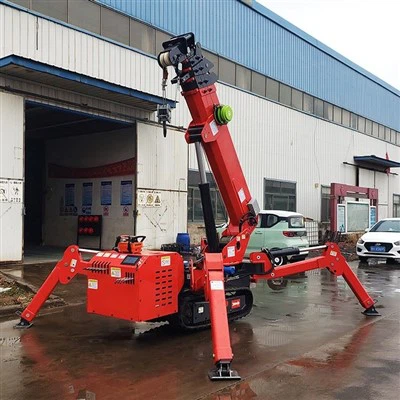
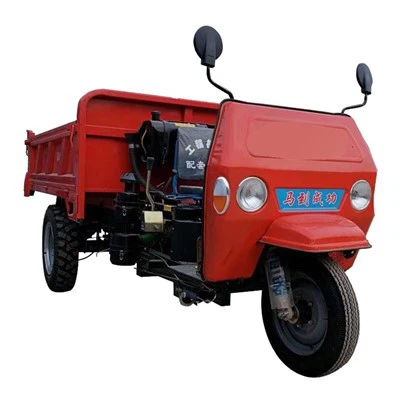
Our company was established on june 3, 2019. In that year, we began to produce prestressed hollow slab forming machine, purlin forming machine, lintel wood forming machine and light wallboard machine. In 2020, we began to produce sanitation equipment mainly based on sweeper. In 2021, the crawler series, three wheel and four-wheel transport vehicles began production, and in 2022, the whole company started the R & D and manufacturing of cranes and 3-16 on-board cranes.
Why Choose Us
Quality assurance
With stable quality, easy operation, long service life and convenient maintenance, they are deeply trusted by users. More than 40 varieties of building materials equipment, with sophisticated technology, advanced process standards and unified spare parts standards.
Good service
Parts are sent promptly and quickly, customer visits and technical guidance are accepted 24 hours a day, and lifelong maintenance services and spare parts are provided.
Production equipment
One 630kVA transformer, one 5T gantry crane, two intelligent boring machines, one intelligent planer, one large boring and planing machine, five welding robots, one 75kW diesel generator, one 16t truck crane, etc.
Production market
Our products are sold well in dozens of provinces, cities and regions across the country, and are exported to dozens of countries and regions including Russia, Uzbekistan, Thailand, Bangladesh, India, Nigeria, Malaysia, Indonesia, the Philippines, South Africa, etc.




What is Offshore Crane
An offshore crane is a specialized piece of equipment designed to handle heavy loads in offshore environments, such as oil platforms, drilling rigs, and wind farms. These cranes are specifically engineered to withstand harsh weather conditions, corrosive environments, and high winds, making them essential for various offshore operations. Offshore customized crane tailors lifting solutions to specific offshore needs.
Benefits of Offshore Crane
Enhanced Safety
It significantly reduces the risks associated with manual lifting and handling of heavy loads. They ensure the safety of personnel by minimizing the need for human intervention in potentially hazardous operations.
Improved Efficiency
It streamlines operations by reducing the time and effort required to lift and transport heavy loads. Their precise controls and high lifting capacities enable efficient and swift load handling, increasing overall productivity.
Versatility
It offers a wide range of lifting capabilities, allowing it to handle diverse loads, including equipment, containers, and personnel. Their adaptability makes them indispensable for various offshore applications.
Cost-Effectiveness
These crane services offer maintenance and repair solutions for marine lifting equipment. By automating and simplifying lifting operations, these cranes optimize resource allocation and reduce labor costs. They minimize the risk of delays and operational downtime, resulting in significant cost savings for offshore projects.
What is the Difference Between a Marine Crane And An Offshore Crane?
The main difference between a marine crane and an offshore crane lies in their working environments. Marine cranes were typically installed on ships and were used for loading and unloading cargo and containers in ports and sheltered, stable waters. They were designed to operate in relatively calm conditions, with wind levels not exceeding a certain threshold. On the other hand, offshore cranes were specifically designed for use in open waters offshore, where sea conditions could be more complicated and challenging. These cranes were built to adapt to harsher sea conditions, including higher winds, greater heels, and trim. Offshore cranes were commonly used in offshore drilling platforms, marine cargo ships, and for handling equipment and materials in offshore environments.
Types of Offshore Crane
Offshore cranes can be categorized into various types according to their structure and usage, including ship cranes, floating cranes, mast cranes and so on.
Marine crane
Marine crane, mainly used for cargo transfer between ships, sea supply, underwater operation equipment placement and recovery. It has the advantages of high loading and unloading efficiency, easy operation, small occupation of deck area, etc. It is especially suitable for lifting and loading of heavy cargo.
Floating crane
A floating crane is a commonly used offshore crane, consisting of one or more pontoons, which can be easily moved at sea. Its main advantage is its mobility, which makes it suitable for offshore construction, building, demolition and other tasks. In addition, the floating crane can be installed with different types of lifting equipment as needed, such as cradles, bucket cranes, lifting hooks, etc.
Mast crane
A mast crane is a kind of lifting equipment based on the mast, which is mainly characterized by a simple structure, easy to use and suitable for simple lifting operations. It is usually installed on small vessels with small lifting weight limitations and a relatively narrow scope of application.
What to Consider When Choosing Offshore Crane
Lifting requirements
You should need to identify the specific needs of the offshore lifting operation, including the weight, size and shape of the cargo to be lifted. This will determine the lifting capacity and working range of the crane required.
Working environment
The offshore working environment is complex and variable, including wind and waves, sea currents, seawater corrosion and other factors. Therefore, when choosing an offshore crane, you need to consider its stability and adaptability. For example, floating cranes are suitable for operational scenarios that require frequent movement, while marine cranes are suitable for cargo transfer between ships.
Equipment characteristics
Different types of offshore cranes have different characteristics. For example, electric cranes have the advantages of high efficiency, correct speed change, easy operation, etc., which is suitable for scenes that require high operational efficiency. The hydraulic drive crane has stable operation, step-less speed regulation and other characteristics, suitable for the operation of high precision requirements of the scene.
Safety requirements
Offshore lifting operations have very high safety requirements. Therefore, when choosing an offshore crane, you need to consider its safety performance and reliability. For example, the crane’s structural strength, stability, braking system and safety guards need to meet the relevant standards and requirements.
Economic factor
Economic factors are also one of the important factors to consider when choosing an offshore crane. Including crane acquisition costs, maintenance costs, operating costs and service life. Need to be based on the actual needs and budget for comprehensive consideration, and the most cost-effective offshore crane.
Application of Offshore Crane
Marine engineering construction
In the construction of marine bridges, wharves, wind farms and other marine engineering, offshore cranes are used for lifting large components and equipment, such as bridge piers, wind turbine towers and so on.
Ship loading and unloading
In port or sea ship loading and unloading operations, offshore cranes are used for lifting containers, bulk cargo, bulky cargo, etc., to improve loading and unloading efficiency.
Offshore oil and gas industry
They play a crucial role in the oil and gas industry, facilitating lifting operations for drilling equipment, subsea installations, and maintenance tasks. They ensure the smooth functioning of offshore platforms and maximize productivity.
Subsea construction
They are utilized in subsea construction projects, including the installation of pipelines, subsea structures, and underwater equipment. They provide the necessary lifting capacity and precision for these critical operations.
Lifting boom
This is the main working part of the crane, usually made of high-strength steel, capable of withstanding huge lifting loads. The length and strength of the boom determine the lifting range and capacity of the crane.
Turntable and Slewing Mechanism
The turntable is the center part of the crane, supporting the lifting arm and allowing it to rotate horizontally. The slewing mechanism is driven by a motor or hydraulic pressure to realize the all-around rotation of the lifting arm.
Hoisting Mechanism
This is the system that controls the wire rope winch, which is driven by an electric motor or a hydraulic motor to wind or loosen the wire rope, thus realizing the lifting and lowering of the heavy load.
Traveling mechanism
For cranes installed on ships or floating platforms, the traveling mechanism allows the crane to move on the platform to adapt to different working positions.
Control system
Includes an electrical control system and hydraulic control system, which is used to control the movements of the crane to ensure its precise and stable operation.
Working Principle of Offshore Cranes
The working principle of offshore cranes is based on the principle of mechanics, through complex mechanical and electrical systems to realize the lifting and moving of heavy loads.
Heavy lifting
First, the operator operates the hoisting mechanism through the control system to lower the wire rope to the ground or sea surface, and then connects the heavy load to the wire rope through hooks or other lifting devices. The operator then controls the hoisting mechanism to tighten the wire rope and lift the weight to the desired height.
Horizontal movement
After the weight is lifted into place, the operator can control the slewing mechanism to make the lifting arm rotate horizontally to move the weight to the target position. At the same time, if the crane is installed on a movable platform, the operator can also control the traveling mechanism to make the crane move on the platform to further adjust the position of the heavy load.
Precise Positioning
During the lifting process, the operator needs to grasp the position and status of the heavy load in real-time with the help of various sensors and monitoring equipment of the crane to ensure the accuracy and safety of the lifting process.
How to Maintain Offshore Crane
Inspect guide trough for misalignment
When using a guide trough in a offshore crane, a common issue that may occur is a misalignment of the cable carrier within the trough. If this occurs, the cable carrier will wear much more quickly than normal and fail prematurely. During inspections, check the guide trough and ensure the cable carrier is properly aligned and that there are no portions of the trough too narrow for the chain.
Check for missing crossbars & fasteners
When checking your e-chain, take note of any missing crossbars or fasteners. If a crossbar is missing, it could be a sign of cables being pulled too tightly against the chain, and missing fasteners can cause trough shifting and eventual system failure. Any missing crossbars or fasteners should be dealt with immediately when found.
Ensure cables are properly positioned
Even when using a cable carrier for cable management in a offshore crane, care still needs to be taken to ensure those cables are properly positioned within the cable carrier, especially near the inner and outer radius of the chain where a bend occurs. If the cables are too tight or too loose within the chain, they can experience premature wear and eventual failure. Take care to inspect the cables within the chain and determine if they’re properly positioned.
Utilize condition monitoring sensors
While frequent inspections on a regular basis can help diagnose equipment problems before complete failure, a sure-fire way to catch these problems early is with the implementation of condition monitoring sensors. These sensors constantly monitor select performance parameters of componentry and alert equipment operators once those parameters fall out of an acceptable range. This makes scheduling maintenance much simpler and ensures component failure can be avoided entirely.
What is Hydro Crane
A hydraulic crane is a type of heavy equipment used for lifting and hoisting. Unlike smaller cranes that rely on electric or diesel engines, hydraulic cranes contain an internal hydraulic system that allows the crane to lift. This fluid-filled hydraulic system enables the crane to transport objects such as heavy containers and tractor trailers, which are far beyond the size and reach of any other lifting equipment.
Benefits of Hydro Crane
Precise control
Hydro cranes utilize hydraulic systems that allow for fine-tuned movements and exceptional control during lifting operations. Operators can manipulate the crane’s boom, jib, and load with great precision, ensuring accurate positioning even in confined spaces or challenging working environments. This level of control minimizes the risk of accidents and enhances operational efficiency.
Versatility
Their hydraulic systems provide flexibility in operation, enabling smooth and swift transitions between lifting, swinging, and luffing movements. This versatility is particularly valuable in complex projects that require multi-directional lifting, such as placing objects on uneven terrain or navigating obstacles at congested construction sites. Hydro cranes can adapt to various tasks, enhancing overall project efficiency.


Compact size
Hydro cranes are designed to be more compact compared to other crane types, making them suitable for operating in confined areas. Their smaller footprint allows for easier maneuverability, enabling operators to navigate tight spaces or areas with limited access. As a result, hydro cranes can be deployed in urban settings or crowded construction sites where larger cranes may face limitations.
Rough terrain
Their hydraulic drive systems, combined with specialized tires, enable them to traverse uneven surfaces, rough terrains, or even off-road environments. This capability makes them particularly valuable in industries such as forestry, infrastructure development, and disaster response, where access to remote or rugged locations is necessary.
What is The Load Capacity of a Hydro Crane?
A hydraulic crane is rated based on its total lifting capacity, which is a factor of the crane's structure and the strength of its hydraulic system. For example, a 10-ton crane can lift 10 tons (9,070 kg). Each hydraulic crane must be carefully selected based on the needs of a specific project; lifting too heavy a load can result in crane failure.
Understanding the hydraulic crane working principle is essential to appreciate their efficiency and precision in lifting heavy loads. The process involves the conversion of hydraulic pressure into linear force by the hydraulic cylinders. These cylinders, equipped with a piston, a rod, a barrel, and seals, work in tandem to produce the desired movement.
The hydraulic fluid, housed in the hydraulic reservoir, transfers power through the hydraulic pump. As the pump pressurizes the fluid, it creates a flow that drives the hydraulic machinery. Control valves regulate the flow and pressure, allowing the operator to maneuver the crane as needed. Hydraulic cylinders then come into play, translating the hydraulic pressure into linear force, either pushing or pulling the boom and jib to lift or lower the load with precision.
What to Consider When Choosing Hydro Crane
Check the load weight to be lifted
One of the first things you need to consider is the weight of the load to be lifted or moved using the crane. Naturally, you need a crane with a suitable lifting capacity to move the load. If you use a high-capacity crane for a small load, you will most likely end up wasting time, labor, and money. On the other hand, a low-capacity crane can lead to fatal accidents and cause damage to the load.
Know the lift height
The height of the lifting load is as critical as the load capacity of the crane. The length of the crane’s boom will depend on how high the loading material needs to go. If the construction is vertical, you will need a lift with a longer boom length.
The terrain
The Terrain is the ground beneath the crane. Making sure you understand the material and condition of the terrain before choosing the crane is a must. Cranes are huge supports for a lot of lifting projects, they can be used to lift and move extremely heavy objects and they need a solid foundation underneath them to support all the crane works and keep the movements stable.
Evaluate access to the project site
Not all project sites will have paved access roads that are large enough to fit a crane. You will need to get creative when choosing the crane if the access to the site is restricted or challenging. For example, you can use a boom truck or a crane suited for rough terrain for hard-to-reach project sites.
Application of Hydro Crane
Construction Sites
Hydraulic cranes are a common sight on construction sites, where they contribute to tasks like erecting buildings, placing heavy materials, and facilitating construction processes efficiently.
Mining Operations
In the mining industry, hydraulic cranes are utilized for transporting heavy loads, moving equipment, and assisting in the extraction of minerals and resources.
Transportation
Hydraulic cranes are integral in the transportation sector, aiding in the movement of oversized or heavy items such as shipping containers, vehicles, and machinery.
Infrastructure Projects
Hydraulic cranes are instrumental in infrastructure development, including the construction of airports, bridges, railways, roads, stadiums, hotels, apartment complexes, and malls.
Main Components of Hydro Crane
Hydraulic crane boom
The boom is the long arm that extends from the crane's base and supports the load. It is typically made of steel or aluminum and can be straight or telescopic, depending on the crane's size and application. The boom is attached to the base of the crane at the pivot point and can rotate 360 degrees.
The jib
The jib is the extension at the end of the boom that provides extra reach and flexibility. It can be fixed or adjustable and can have different lengths and angles depending on the crane's needs. The jib is often used for precise positioning of the load or to reach over obstacles.
Hydraulic systems
The crane's hydraulic system is the power source that drives its movement and lifting functions. It consists of several components that work together to transfer energy from the engine to the cylinders. The hydraulic system works due to these components: Hydraulic fluid, hydraulic pump, control valves, hydraulic cylinders. they consist of a piston, rod, barrel, and seals, which work together to produce the desired movement.
Outriggers/stabilizers
The outriggers or stabilizers are the devices that provide stability to the crane during operation. They are usually located at the base of the crane and extend outward to increase the crane's footprint. They can be hydraulically or manually operated and can have different configurations depending on the crane's needs.
Counterweights
The counterweights are the weights that are added to the crane to balance the load, keep the machine stable, and prevent the crane from tipping over. They are usually located at the back of the crane and can be of different sizes and shapes depending on the crane's capacity and application.
Operator's cab
The operator cab is the compartment where the crane operator sits and controls the crane's movements. It is usually located at the top of the crane and provides a panoramic view of the work area. The cab is equipped with controls, instruments, and safety devices to ensure the safe and efficient operation of the crane.
How to Maintain Hydro Crane

Regular fluid checks
Regularly inspect hydraulic fluid levels and quality. Change the fluid as needed to ensure proper lubrication and prevent potential damage.
Component inspection
Frequently check all crane components for signs of wear or damage. Replace any worn-out or damaged parts promptly to avoid operational issues.
Cleanliness
Keep hydraulic cylinders and other components clean and free from dirt, debris, and moisture. Regular cleaning prevents contamination and extends the lifespan of critical parts.
Lubrication
Regularly lubricate cylinder components to reduce friction and wear. Adequate lubrication ensures smooth operation and minimizes the risk of malfunction.
FAQ