





Hydraulic Wire Tensioning Machine | Prestressed Concrete Wire Tensioning Equipment manufacturers
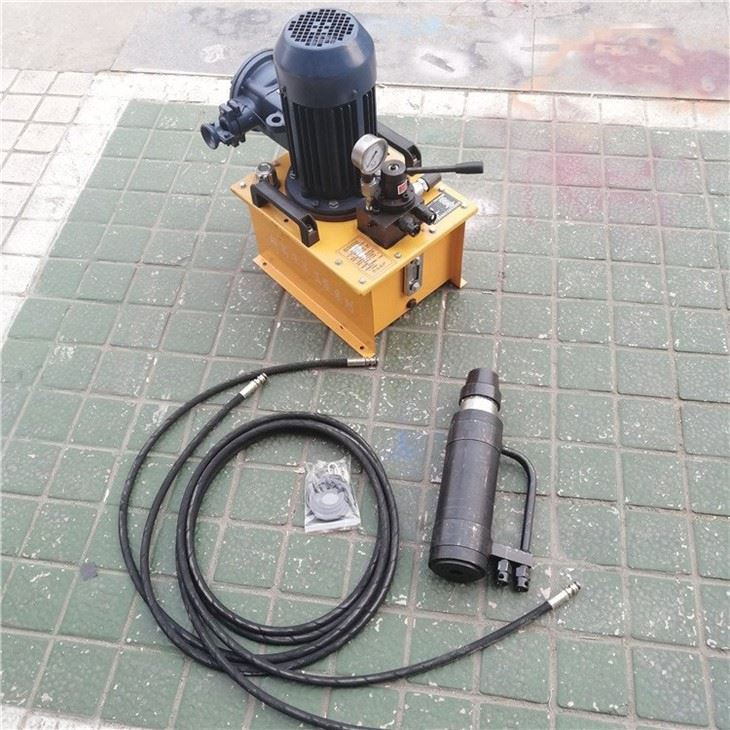
Hydraulic Wire Tensioning Machine | Prestressed Concrete Wire Tensioning Equipment suppliers
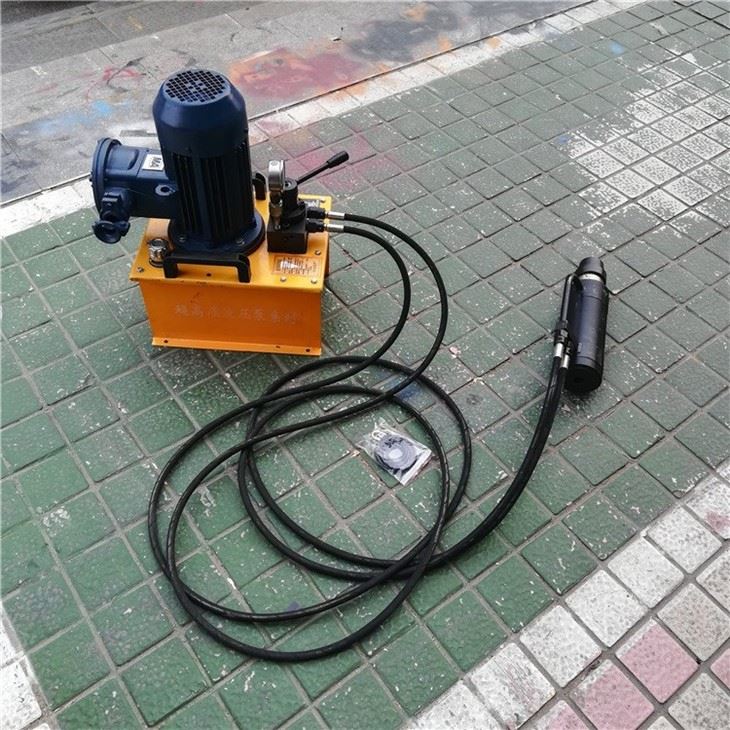
Hydraulic Wire Tensioning Machine | Prestressed Concrete Wire Tensioning Equipment factory
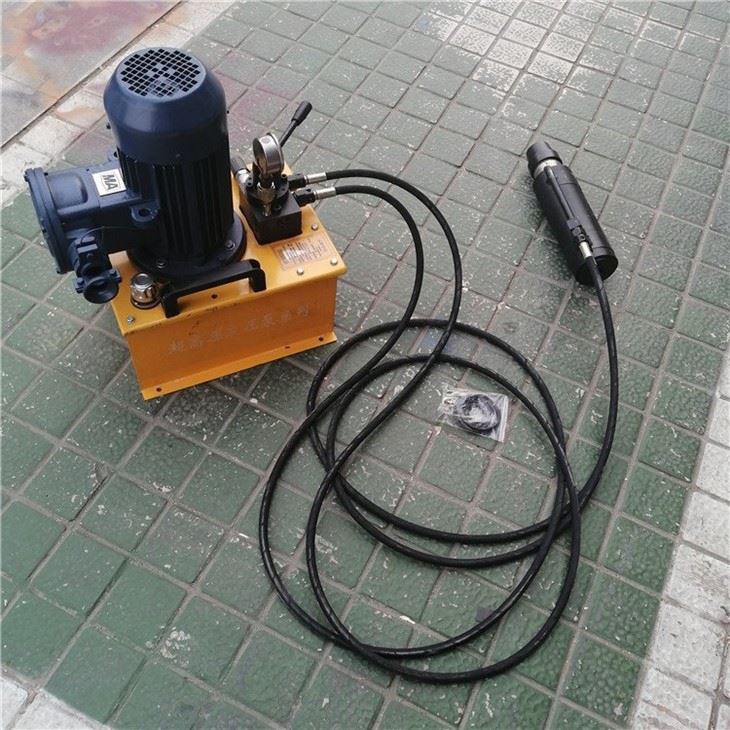
Hydraulic Wire Tensioning Machine | Prestressed Concrete Wire Tensioning Equipment best
Hydraulic Wire Tensioning Machine | Prestressed Concrete Wire Tensioning Equipment high quality

Hydraulic Wire Tensioning Machine | Prestressed Concrete Wire Tensioning Equipment price

Hydraulic Wire Tensioning Machine | Prestressed Concrete Wire Tensioning Equipment high quality

Hydraulic Wire Tensioning Machine | Prestressed Concrete Wire Tensioning Equipment best
Hydraulic Wire Tensioning Machine | Prestressed Concrete Wire Tensioning Equipment
Prestressing is what lets a thin slab span a floor. The concrete carries the compression, the tensioned wire carries the tension, and the tensioning machine is the tool that puts the wire into that state and holds it there while the concrete sets.
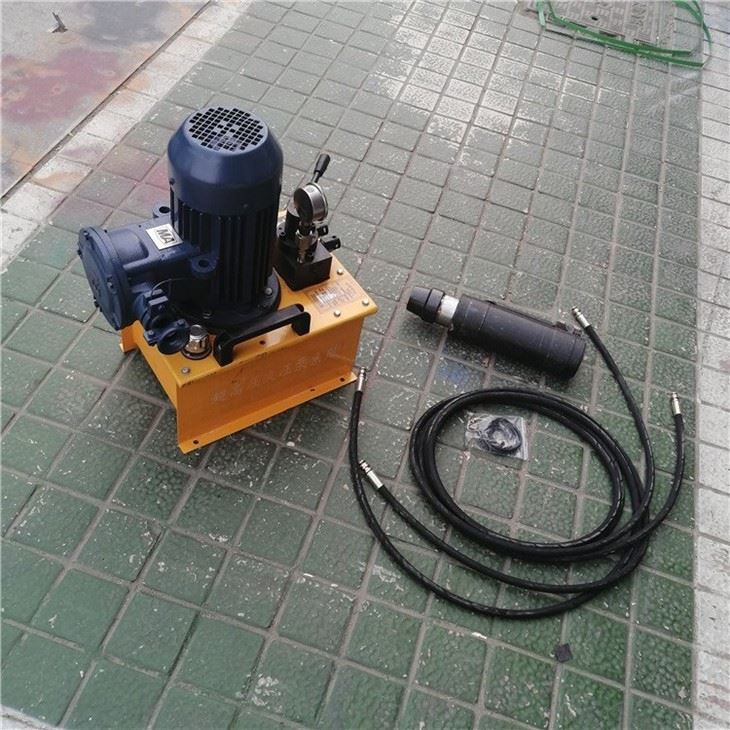
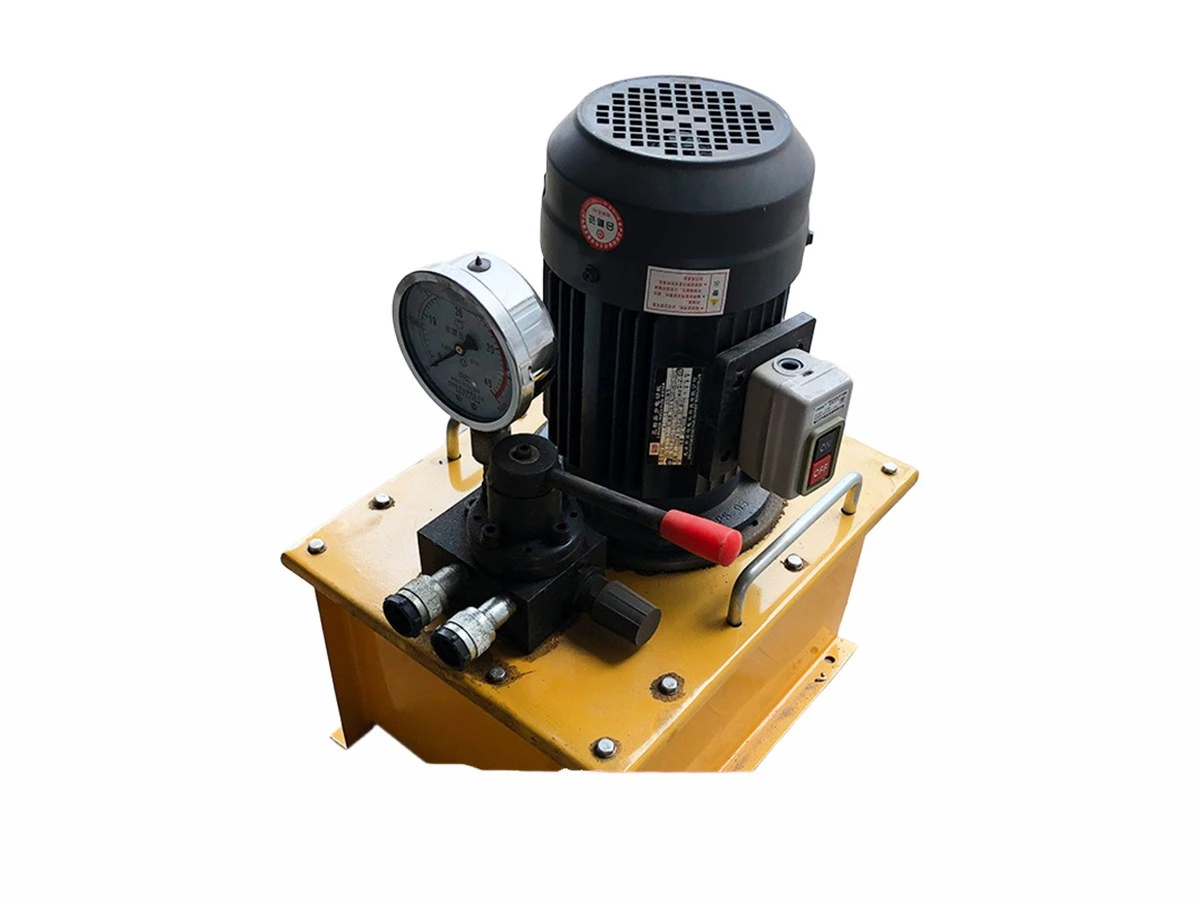
We supply a hydraulic wire tensioning machine with a 150 mm stroke, weighing around 120 kg, together with the hollow jacks, electric pump stations, anchors, clamps and limit switches that make up a complete tensioning set. This page explains what the stroke length actually means in practice, how the components work together, and the sequence that keeps both the operator and the slab safe.
Tensioning is the first operation on a slab bed and the one everything else depends on. The forming end is covered by our hollow core slab extruder and push-extrusion pages if you are building the full line.
What prestressing does for a slab
Concrete is strong in compression and weak in tension. A floor slab loaded from above develops tension along its underside, and unreinforced concrete cracks there. Prestressing solves this by compressing the slab before it carries any load: the tensioned wires pull against the ends of the bed, and the concrete between them is squeezed. When the working load arrives, it first has to overcome that pre-existing compression before the slab sees any tension at all.
The practical result is a thinner slab for the same span, fewer cracks in service and better control of deflection. It also means the tensioning operation has to be accurate - a wire that is tensioned inconsistently with its neighbours will produce a slab that curls, cracks at the ends or fails to reach its design capacity.
Where a slab is prestressed rather than reinforced, the forming method usually changes too. Our pre-stressed hollow core slab forming machine page covers that side of the process.
How a hydraulic tensioning machine works
The machine pulls each wire or strand individually with a hydraulic jack and locks it off, so the tension is held mechanically rather than by hydraulic pressure. That distinction matters: a machine that relies on hydraulic pressure to hold the tension will lose it the moment a hose weeps or the pump is disconnected.
The 150 mm stroke is the distance the jack can pull in a single operation. It has to be long enough to take up the initial slack and then apply the full extension in one continuous pull - a jack that has to be re-gripped mid-pull cannot apply the load evenly, and the wire can slip.
Tension is read from the hydraulic pressure, so the pressure gauge and the ram area are the reference for the whole operation. Keep the gauge calibrated and use the same machine for every wire in a bed: mixing machines of different ram areas across one bed is a common cause of uneven tension that is very hard to diagnose afterwards.
The components of a tensioning set
Which wire to tension
Cold-drawn wire between 2.8 mm and 3.5 mm covers the great majority of precast bed work, and it is what our tooling is set up for. The wire diameter and the number of wires per slab are structural decisions - they come from the slab design, not from the tooling - but they determine how long the tensioning operation takes and how much extension you need to allow for.
Check the wire before tensioning rather than after. Surface rust that wipes off is not a problem; pitting, a kink or a mechanical nick is, because that is where the wire will fail when it is loaded. A wire that breaks during tensioning releases its stored energy into the bed, which is why the exclusion zone during the pull is not negotiable.
Tensioning sequence and safety
- Tension in a symmetric sequence, working from the centre of the bed outwards, so the load builds evenly and the abutments do not see a one-sided pull.
- Apply the load in one continuous pull. Use the full 150 mm stroke rather than re-gripping part-way through.
- Keep everyone clear of the wire axis while the pump is running. The stored energy in a tensioned wire is released along the line of the wire if it fails.
- Use the limit switch. The automatic trip and limit switch exist to stop the pump at the set load; bypassing them removes the main protection against over-tensioning.
- Lock off before releasing pressure. The mechanical lock, not the hydraulic pressure, is what holds the load.
- Record the gauge reading for each wire. If a slab develops a fault later, the tensioning record is the first thing you will want to check.
Common faults and how to clear them
Frequently asked questions
What does the 150 mm stroke mean in practice?
It is the distance the jack can pull in a single continuous operation. It has to be long enough to take up the slack in the wire and still apply the full extension without stopping. A jack with too short a stroke has to be re-gripped part-way through, and a re-gripped pull cannot apply the load evenly.
How much does the tensioning machine weigh?
The hydraulic wire tensioning machine weighs around 120 kg. That is light enough for two people to position on the bed but heavy enough that it should be lifted with proper equipment rather than dragged, which is what damages the ram and the seals.
Why is tension held mechanically rather than hydraulically?
Because hydraulic pressure can be lost. If the tension depended on the pump holding pressure, a weeping hose or a disconnected coupling would release the load while the concrete was setting. A mechanical lock holds the tension regardless of what the hydraulic circuit does afterwards.
Which wire diameter does the tooling suit?
Cold-drawn wire from 2.8 mm to 3.5 mm, which covers most precast bed work. The diameter and the number of wires per slab come from the structural design of the slab; the tooling simply has to match what the design calls for.
What happens if a wire breaks during tensioning?
The stored energy is released along the axis of the wire. That is why nobody stays in line with the wire while the pump is running, and why the area behind the jack is kept clear. It is also why wire is inspected for nicks and pitting before tensioning rather than afterwards.
In what order should the wires be tensioned?
Symmetrically, working outwards from the centre of the bed. Tensioning one side first loads the abutments unevenly, and the resulting differential movement is one of the ways a bed goes out of alignment over time.
What keeps the tension from drifting after lock-off?
The mechanical lock in the machine, supported by good clamp jaws and a sound anchor. Tension that falls away after lock-off is nearly always a worn clamp or a slipping anchor rather than a fault in the machine itself, and both are quick to check.
Does the set include the pump and the jack?
The complete set covers the tensioning machine, the hollow jack, the electric hydraulic pump station, prestressing anchors, tensioning clamps, the automatic trip and limit switches, and wire clips. Which of those you need depends on whether you are setting up a new bed or adding to an existing one, and we will scope it against the bed you have.
Technical conclusion
Prestressing is an accuracy operation, not a force operation. What matters is not that the wire is tight but that every wire in the bed is tight to the same value, and that the value is held mechanically while the concrete sets.
That comes down to three habits: use one machine for the whole bed, apply the load in one continuous pull using the full stroke, and record the gauge reading for each wire. Plants that do those three things rarely see the end-cracking and curling that get blamed on the mix.
What we supply
We supply the complete tensioning set - the hydraulic wire tensioning machine, hollow jacks, electric pump stations, prestressing anchors, tensioning clamps, trip and limit switches, and clips - alongside the forming equipment that turns the tensioned bed into finished slabs. The forming side is covered by the hollow core slab extruder and the concrete slab machine pages, and cutting equipment sits at the end of the same line.
One workshop builds the whole line, so the tensioning stroke and the number of wires are specified against the slab you intend to produce rather than against a catalogue class. Every unit is tested before shipment and sent with a matching spare-parts list. More of the range is on the slab machine category page.
Next step
Tell us four things and we will scope the set rather than quote a list: (1) the wire diameter and number of wires per slab, (2) your bed length, (3) whether you are setting up a new bed or adding to an existing one, and (4) the slab section you intend to produce. If the slab design is not fixed yet, describe the spans you need to build and we will work back from there.
Our engineers can be reached through the contact page, and the forming and cutting equipment for the same line is on the slab machine category page.
Hot Tags: hydraulic wire tensioning machine | prestressed concrete wire tensioning equipment, China hydraulic wire tensioning machine | prestressed concrete wire tensioning equipment manufacturers, factory, cutting machine for concrete slab, slab breaker machine, slab components machine, slab cutter machine, slab processing plant machine, slab vibration machine
Previous
No InformationYou Might Also Like


Send Inquiry