




Cement Wall Mold
Cement wall mold
Cement wall mold

Cement wall mold
Cement wall mold: the best choice
In the field of architecture, walls are both protective and aesthetic. With excellent quality and unique advantages, our cement wall moulds are the ideal choice for many projects.
First, the material is excellent
The mold is made of high strength steel or high quality engineering plastics. The steel mold is resistant to pressure and wear, and can withstand multiple uses and high strength concrete pouring pressure; Engineering plastic molds are lightweight and corrosion resistant, suitable for scenarios where weight and chemical stability are required. Both of them have passed strict quality inspection and their performance is stable.
Second, flexible design
Available in a variety of sizes and styles, from simple flat panels to exquisite decorative art walls, from garden fences to industrial high walls, sizes can be customized to meet the needs of residential, commercial, industrial and other different projects.
Three, convenient installation
The mold is simple in structure, easy to splicing, without complex tools and professional skills, and easy to disassemble, which greatly improves construction efficiency and saves time and labor cost.
Fourth, widely used
Suitable for residential areas, schools, factories, parks and other scenes, not only can protect, but also with sound insulation performance, to create a comfortable environment.
Five, after-sales intimate
Provide professional consultation and technical support before purchase to help you choose the right mold; Timely delivery after purchase, provide perfect after-sales, use problems, after-sales team the first time to solve.
Choosing our cement wall mold is to choose an efficient and durable quality solution. We look forward to working with you to create a beautiful building.
our products
Jining Feiyu Electromechanical Technology Co., Ltd.
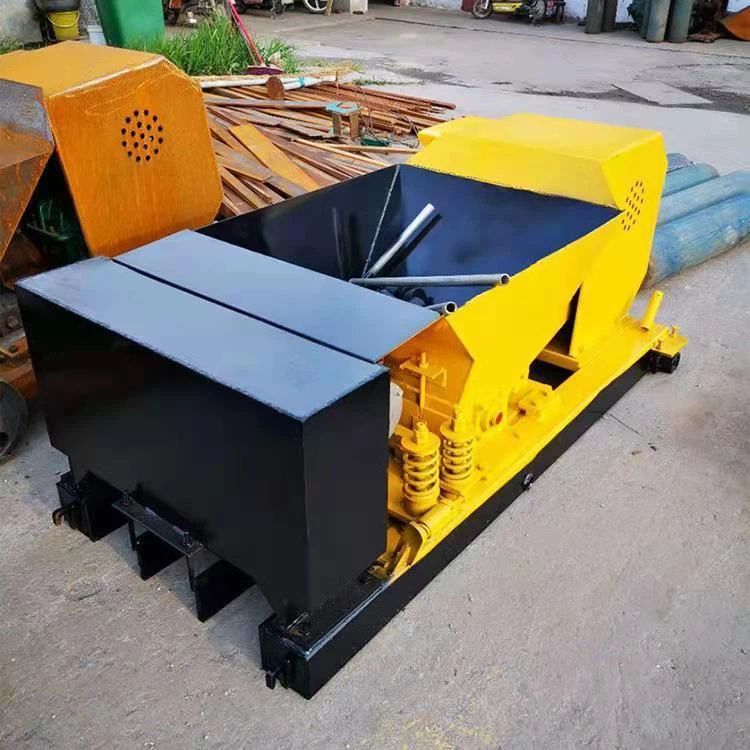
Cement post machine
Cement column machine can be customized according to your needs, multiple columns are formed at the same time, saving time and cost, shortening construction period, high degree of automation, low production cost, simple and practical operation
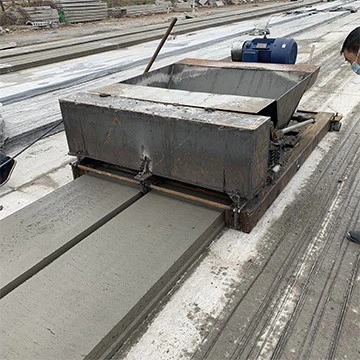
Cement floor machine
The cement floor machine produced by our company can be customized according to your needs, and the finished product can be cut according to the building requirements, which can effectively reduce labor intensity and improve production efficiency
Cement wall board machine
Cement wall plate machine support customization, compared with other ways of production efficiency can be increased by 3-5 times, low labor intensity of workers, high board speed, dense texture, plate shape, accurate size.
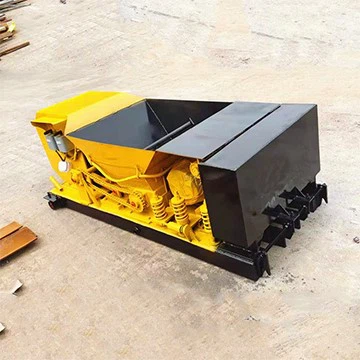
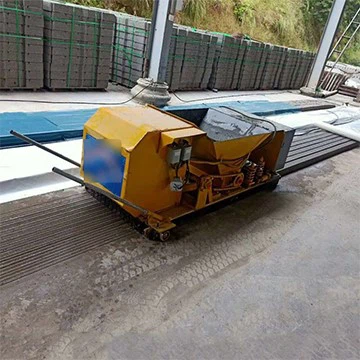
Cement purlin machine
Cement purlin machine is made of cast iron girder, high forming density, smooth forming surface, small error, automatic walking automatic forming, fast board making speed, can produce several pieces at the same time, can be customized according to your needs
Electric three-wheel dump truck
The electric three-wheel dump truck has belt type three-wheel dump truck and winch type three-wheel dump truck, which can be customized according to your needs, the large battery can meet your production needs, and the customized cargo bucket can meet your engineering needs

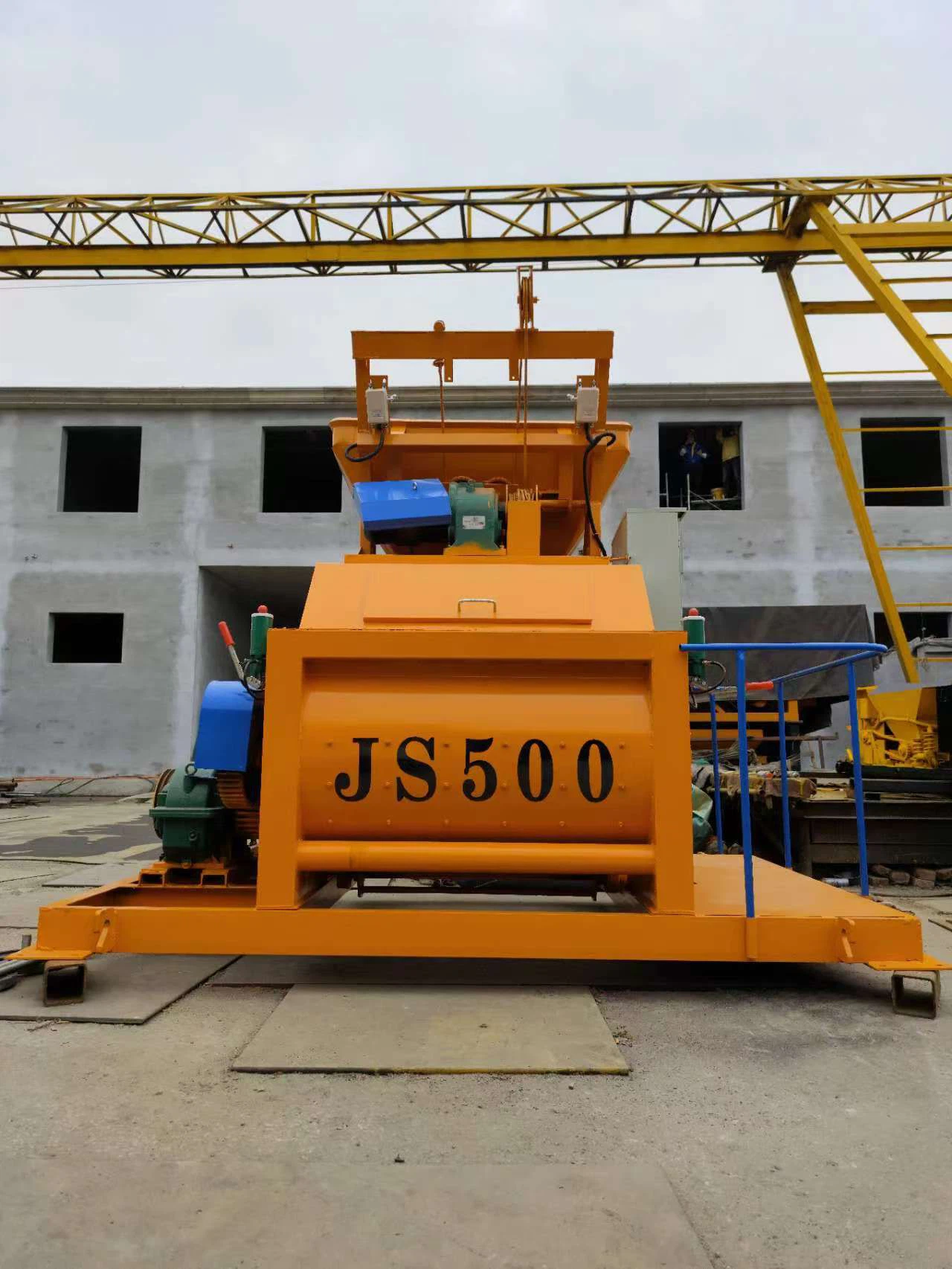
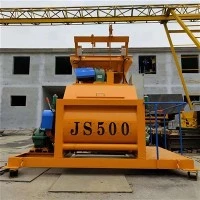
JS500 cement mixer
JS500 cement mixer, can be customized according to your needs mixing system, automatic mixing, automatic discharge, save labor and improve production efficiency, with electric three-wheel unloading truck can not stop feeding equipment
Jining Feiyu electromechanical technology Co., LTD
our advantages
Professional customized service, efficient production quality assurance, technological innovation leading edge, after-sales high efficiency received praise, the market is broad to take the lead.
our products
We specialize in the production of cement column machine, cement floor machine, cement purlin machine, cement lintel machine, automatic mixing system, electric three-wheel unloading truck...

Jining Feiyu Electromechanical Technology Co., Ltd
Professional customized service, efficient production quality assurance, technological innovation leading edge, after-sales high efficiency won praise, the market is broad to take the lead
Jining Flying Rain Mechanical & Electrical Technology Co., Ltd. specializes in producing advanced machinery, including prestressed slab, purlin, lintel & wood forming machines, light wallboard equipment, cranes (truck-mounted & crawler types), sweepers, etc. Our designs are scientific, durable, and user-friendly, ensuring fast, high-quality production with cost savings and long service life, enhancing clients' competitiveness and profitability.
Precautions in use
What you need to pay attention to in use!
Pre-use inspection: Before using the cement wall mold, be sure to carry out a comprehensive inspection. Check whether the surface of the mold has cracks, deformation or other damage, paying special attention to the splicing parts of the mold and key stress points. Check whether the size of the mold meets the design requirements to avoid the inaccurate size of the wall due to the deviation of the mold size. For the steel mold, it is also necessary to check whether the surface anti-rust layer is intact, and if there is damage, it should be repaired in time to prevent rust from affecting the quality of the mold.
Cleaning and lubrication: Ensure that the surface of the mold is clean and free of debris. Dust, oil and other impurities on the inner surface of the mold should be thoroughly cleaned before use to avoid affecting the finish of the cement surface. A layer of release agent is evenly applied on the inner surface of the mold, which helps the smooth release of the concrete after solidification, while reducing the friction between the concrete and the mold and protecting the surface of the mold. However, pay attention to the amount of release agent, too much may lead to oil spots on the surface of the concrete, affecting the appearance quality.
Concrete placement: Select the appropriate concrete mix to ensure that the strength and fluidity of the concrete meet the requirements. In the pouring process, attention should be paid to controlling the pouring speed and height to avoid excessive concrete impact force causing damage to the mold. When using the layered pouring method, the thickness of each layer should be moderate, and the vibrator should be fully vibrated to exclude the air in the concrete and ensure the compactness of the concrete. However, the vibrator should avoid direct contact with the mold, so as not to damage the surface of the mold.
Mold splicing and fixing: If the mold is spliced by multiple parts, it is necessary to ensure that the splicing part is closely fitted, and the parts are firmly connected using appropriate connectors (such as bolts, fasteners, etc.) to prevent slurry leakage during the pouring process. When fixing the mold, it is necessary to ensure the stability of the mold and avoid the irregular shape of the wall due to the mold displacement. For large molds, additional support structures may be required to enhance their stability.
Demoulding time: premature demoulding may lead to insufficient strength of cement wall, quality problems such as missing edges and falling corners, surface cracking, etc. Too late release will increase the difficulty of release, and may even damage the mold. The demoulding time should be reasonably determined according to the strength growth of concrete and the ambient temperature, humidity and other factors at that time. In general, when the concrete strength reaches a certain proportion of the design strength (such as about 70%), the demoulding operation can be carried out.
Maintenance after use: After stripping, the residual concrete and release agent on the surface of the mold should be cleaned in time to keep the mold clean. For steel molds, a layer of anti-rust oil can be applied on the surface to prevent rust; For plastic molds, direct sunlight and high temperature environment should be avoided to prevent mold aging and deformation. Store the mold in a dry and ventilated place to avoid the mold from being affected by moisture, corrosion and other adverse effects. Regular inspection and maintenance of the mold, timely repair of damaged parts, in order to extend the service life of the mold.
You may want to ask
Jining Feiyu electromechanical technology Co., LTD
Q:1.What are the general materials of cement wall molds, and what are the advantages of each?
A:The common materials of cement wall mold are mainly the following, and they each have different advantages:
Steel:
High strength and wear resistance: Steel has high strength and hardness, can withstand the greater pressure and friction generated by multiple concrete pouring, is not easy to deformation or damage, so the service life is long, suitable for large-scale, long-term production use. For example, in the case of frequent use in large construction sites or prefabricated parts factories, steel molds can maintain good performance.
High dimensional accuracy: It can be made by precise processing technology to ensure the dimensional accuracy of the mold. This makes the size of the concrete wall components produced accurate, can better meet the engineering design requirements, and the installation of the wall is more convenient and orderly.
Strong repairability: If there is local damage to the mold during use, such as wear, cracks, etc., the steel mold is relatively easy to repair. It can be repaired by welding, grinding and other methods, and the repaired mold can continue to be used normally, reducing the use cost.
Good high temperature resistance: in the process of concrete pouring, cement hydration will produce a certain amount of heat, and the steel mold can withstand this temperature change, without deformation or performance decline due to temperature increase.
Plastics (Engineering plastics) :
Light weight: Compared with steel, plastic molds are lighter in weight and easy to handle and install. In some cases where the construction site is narrow or the mold needs to be moved frequently, it can greatly reduce the labor intensity of workers and improve work efficiency.
Strong corrosion resistance: Plastic molds have good resistance to most chemicals, are not easily corroded by certain components in concrete, and will not rust. This makes it have obvious advantages when used in some special environments, such as coastal areas or places with chemical corrosive media, and can extend the service life of the mold.
Smooth surface: The surface of the plastic mold is usually smooth, the surface finish of the cement wall produced is high, the appearance quality is good, and the process of treating the surface of the wall is reduced in the later period. Moreover, the smooth surface is also conducive to the demoulding of concrete, reducing the difficulty of demoulding and reducing the damage to the mold and wall members.
Low cost: Generally speaking, the manufacturing cost of plastic molds is relatively low, and it is an affordable choice for some projects with limited budgets or little demand for molds. At the same time, due to its light weight, transport costs are relatively low.
Glass steel:
Good overall performance: FRP mold combines the advantages of high strength of glass fiber and corrosion resistance and wear resistance of resin, with high strength and stiffness, and has a certain toughness, which can withstand a certain degree of impact and deformation without breaking.
Easy demoulding: the surface has good demoulding performance, and the concrete can be easily demoulded after solidification, which reduces the damage to the mold and the wall members during the demoulding process, and improves the production efficiency and product quality.
Strong designability: According to different design requirements, by changing the formula and molding process of glass fiber and resin, molds of various shapes and sizes can be made to meet diverse needs. Moreover, FRP molds can also produce molds with complex shapes and patterns for the production of artistic cement walls.
Q:2.What types of cement walls can be made with this mold?
A:Cement wall mold can produce a rich variety of cement wall styles to meet different use scenarios and aesthetic needs, the following are some common styles:
Flat wall: This kind of wall surface is smooth and smooth, simple and generous, without too many decorative elements. It is often used in places where the appearance requirements are not high, but focus on practicality and safety, such as factories, warehouses, farms, etc. Its structure is simple, the production cost is low, the construction speed is fast, and the effective isolation protection area can be quickly formed.
Artistic wall with patterns or patterns: By designing a variety of exquisite patterns, patterns or reliefs on the surface of the mold, you can make a cement wall with an artistic sense. These patterns and patterns can be geometric shapes, plants and flowers, animal shapes, etc., suitable for parks, scenic spots, residential areas, commercial squares and other places, which can not only play a protective role, but also beautify the environment and enhance the overall image of the place.
Imitation stone wall: mimics the texture and texture of natural stone, making the cement wall look like a real stone wall. This kind of wall has a high aesthetic and texture, often used in villas, high-end residential areas, garden landscape and other projects with high quality and appearance requirements. It can not only provide good protection function, but also create a natural and simple atmosphere.
Hollow wall: Part of the wall adopts hollow design, common geometric shape hollow, window hollow and so on. This design not only ensures a certain degree of light transmission and ventilation, but also has a certain decorative effect, making the wall look less closed and heavy. Often used in gardens, courtyards and other places, it can not only divide space, but also allow internal and external landscapes to penetrate each other, increasing the sense of layer of space.
Columnar wall: consists of a plurality of independent columns and beams connecting the columns, and there can be a certain interval between the columns. This kind of wall structure is stable and has a strong visual impact, which is suitable for some large buildings, public facilities or iconic places. The column can also be carved, painted and other decoration, to further enhance the beauty and uniqueness of the wall.
Stepped wall: according to the relief of the terrain or design requirements, made into a stepped wall. This kind of wall can adapt to different terrain conditions well, increase the sense of three-dimensional and hierarchical sense of the wall, often used in mountainous, slope and other terrain complex areas, such as mountain villas, park hillside lot.
Prefabricated wall: consists of multiple prefabricated cement components that are quickly assembled by connecting pieces. This kind of wall is easy to install, short construction period, and can be disassembled and reassembled as needed. The styles of components can be diversified, such as plate components, decorative components, etc., which are suitable for a variety of temporary or permanent wall projects.
Q:3.Is it complicated to install cement wall using cement wall mold?
A:Using the cement wall mold to install the cement wall, the overall operation is not complicated, which is reflected in the following aspects:
Simple mold splicing: The structural design of cement wall mold is usually relatively simple, most of the molds use modular design, and the splicing method between the components is more intuitive, such as snap type, bolt connection type, etc. Even non-specialists can quickly understand and perform splicing operations with simple instructions. For example, the buckle type mold parts, only need to accurately align and clamp the corresponding buckle, can complete the splicing, greatly reducing the difficulty of operation.
No professional skills required for installation: There is no need for complex professional skills when installing molds. Generally, only according to the pre-planned location and size of the wall, place the splicing mold in the designated position, and use simple tools (such as a level, tape measure, etc.) to calibrate, to ensure that the levelness and verticality of the mold meet the requirements. Compared with some traditional building construction, the installation of cement wall mold is easier to use.
Concrete pouring is easy to control: After the mold is installed, concrete pouring requires certain operating skills, but it is not difficult to master. The construction personnel only need to pour the mixed concrete slowly into the mold according to the conventional concrete pouring method, and use the vibrator to properly vibrate to exclude the air in the concrete and make the concrete compact and formed. During the whole pouring process, as long as attention is paid to controlling the pouring speed and vibration strength, the pouring quality of concrete can be guaranteed.
Easy demoulding operation: When the concrete reaches a certain strength, it can be demoulding operation. Since the convenience of demoulding is considered in the design of the cement wall mold, for example, the release agent is applied on the surface of the mold, or the material that is easy to demoulding is used to make the mold, making the demoulding process relatively easy. Generally, just by gently tapping the mold, or disassembling the mold parts according to a specific demounting sequence, the formed cement wall can be separated from the mold smoothly.
High construction efficiency: Due to the ease of mold installation and operation, the use of cement wall molds to install cement walls can significantly improve the construction efficiency. Compared with the traditional brick wall or on-site pouring wall, the use of molds can reduce many complex construction steps and time consumption, and the installation of the wall can be completed in a shorter time, thus saving manpower and time costs.
Of course, although the overall operation is not complicated, in actual construction, it is still necessary for construction personnel to strictly follow the operating specifications and requirements to ensure the quality and installation effect of the cement wall.
Q:4.What do cement wall molds need to pay attention to when concrete is poured?
A:When using the cement wall mold for concrete placement, the following aspects need to be paid attention to to ensure the quality of the wall and the integrity of the mold:
Mold inspection and treatment: Before pouring, the stitching of the mold should be checked again to ensure that the parts are tightly connected, no loosening, gaps, and prevent pulp leakage. Check whether the inner surface of the mold is clean. If there is debris, dust, etc., it is necessary to clean it up, and evenly apply the release agent to ensure the smooth release of the concrete after solidification, and avoid the adhesion of the concrete to the mold and damage the mold surface.
Concrete mix ratio: Prepare concrete in strict accordance with the design requirements of the mix ratio to ensure that the proportion of cement, sand, stone, water and admixture is accurate. The appropriate mix ratio can ensure that the strength, fluidity and setting time of concrete meet the requirements. If the mix ratio is not proper, it may lead to insufficient strength of concrete, honeycomb surface and other quality problems.
Concrete mixing: Ensure that the concrete is mixed evenly and the mixing time is sufficient to make all kinds of raw materials fully mixed. Insufficiently mixed concrete will appear segregation phenomenon, affecting the quality of the wall. At the same time, attention should be paid to controlling the slump of concrete so that it has good fluidity, which is easy to pour and vibrate, but it cannot be too large to cause problems such as bleeding of concrete.
Pouring speed and height: Control the pouring speed of concrete, not too fast. Too fast pouring speed will cause the concrete to have a greater impact on the mold, which may lead to mold deformation or slurry leakage. When pouring in layers, the height of each layer should be moderate, generally not more than 50 cm, to ensure that the concrete can be fully vibrated and dense. After each layer is poured, vibrate in time, and then pour the next layer.
Vibration operation: Use a suitable vibrator to vibrate, insert the depth of the concrete to be appropriate, generally should be inserted into the lower concrete 5-10 cm, to ensure that the upper and lower concrete tightly. When vibrating, it is necessary to insert quickly and pull slowly to avoid drawing out the vibrating rod too fast to form a cavity. The vibration time should be moderate, with the concrete surface no longer significantly sinking, no more bubbles, surface grouting prevail. Avoid overvibration resulting in concrete segregation or stratification, but also to prevent leakage vibration caused by the concrete inside the honeycomb, holes and other defects.
Prevent the vibrating rod from touching the mold: During the vibrating process, avoid the vibrating rod from directly touching the mold surface. The vibrator and the mold should be kept at a certain distance to prevent the vibration of the vibrator from causing damage to the mold, affecting the service life of the mold and the appearance quality of the wall.
Observe the state of the mold: in the process of pouring and vibrating, it is necessary to observe the state of the mold at any time to see whether there is deformation, pulp leakage and other situations. If the problem is found, the pouring should be stopped immediately, and corresponding measures should be taken to deal with it, such as strengthening the mold, sealing the leakage slurry part, etc., and the construction should continue after the problem is solved.
Weather factors: Pay attention to the influence of weather conditions on concrete placement. In high temperature weather, the water of concrete evaporates quickly, which may lead to excessive slump loss and affect the pouring quality. At this time, appropriate cooling measures can be taken or the mix ratio can be adjusted. When pouring in rainy days, rain prevention measures should be taken to prevent rain from washing the concrete and affecting its strength and performance.
Q:5.How to judge the cement wall has reached the appropriate demoulding time?
A:To determine the appropriate demoulding time of cement wall, the following methods can be integrated to determine:
Based on time estimation: the setting and hardening rate of concrete is affected by cement type, concrete mix ratio, ambient temperature and humidity. Generally speaking, at room temperature (about 20 ° C), the release strength of the cement wall can be initially reached 1-2 days after pouring, but this is only a rough reference time. For example, when using fast hardening cement, the release time may be advanced; At low temperatures, the time is correspondingly longer. The experience data of stripping time under different conditions can be recorded as a reference for subsequent construction.
Observe the state of the concrete surface: when the color of the concrete surface changes from wet and bright to gray, and the surface water basically evaporates, when the finger presses the concrete surface, there is no obvious indentation or only slight indentation, it indicates that the concrete has been initially hardened, and the demoulding conditions may be reached. In addition, observe whether there are subtle cracks on the surface of the concrete, if there may be premature demoulding, the strength of the concrete is not enough to withstand its own weight and external forces.
Test mold removal: In the part that does not affect the overall structure, such as the corner of the wall, carefully try to remove a small part of the mold, and check the separation of the concrete and the mold. If there is no obvious adhesion between the concrete and the mold, and the surface of the concrete after removal is intact, without any damage such as edge drop, it indicates that the time for demoulding is more appropriate. However, it is necessary to pay attention to the strength when demolishing the mold to avoid unnecessary damage to the concrete.
Use tools to test strength: Professional tools such as rebound gauges can be used to test the strength of concrete. When the concrete strength reaches a certain proportion of the design strength (generally about 70%, which can be determined according to the design requirements and actual situation), the mold can usually be removed. Rebound meter by measuring the hardness of the concrete surface to calculate its strength, the operation is relatively simple, but the need for professional personnel to correctly use and interpret the data.
Reference to the strength of the test block under the same conditions: When the cement wall is poured, the concrete test block under the same conditions is made. The test block is placed under the same environmental conditions as the cement wall, and the strength development of the cement wall is judged by testing the strength of the test block. When the strength of the test block reaches the strength required for demoulding, it can be considered that the cement wall has also reached the appropriate demoulding time. This method is more accurate and reliable, but it requires a certain amount of time and professional equipment to make and test the test block.
Consider the mold type and structure: Different types and structures of the mold also have a certain impact on the release time. For example, plastic molds are easier to release than steel molds, and may be released when the concrete strength is slightly lower; Some complex structure molds, such as those with a large number of patterns or special shapes, may require higher concrete strength to release the mold to prevent damage to the shape of the concrete surface during the release process.
Q:6.How to maintain the cement wall mold after use?
A:After the cement wall mold is used, the correct maintenance can effectively extend its service life and ensure the accuracy and performance of the mold. The following are some maintenance points:
Timely cleaning: After demoulding, should immediately clean the mold surface residual concrete, release agent and other debris. For steel molds, tools such as wire brushes and spatulas can be used to carefully remove hard concrete from the surface, but care should be taken to avoid scratching the surface of the mold. For plastic molds, it is recommended to use a soft brush or sponge for cleaning to prevent scratching the mold. After cleaning, rinse the mold with clean water to ensure that the surface is clean and free of residue.
Inspection and repair: carefully check all parts of the mold to see if there is wear, deformation, cracks and other damage. For slight wear or scratches, you can use sandpaper for sanding repair; If cracks or large damage are found, the steel mold can be repaired by welding, and then polished after welding to make its surface smooth; For plastic molds, suitable adhesives can be selected according to their material to repair, or to replace damaged parts.
Anti-rust treatment (steel mold) : Steel mold is easy to rust, so after cleaning and drying, a layer of anti-rust oil should be applied on its surface, especially in the stitching parts of the mold, bolt holes and other places that are easy to rust. Applying anti-rust oil can effectively isolate air and moisture to prevent mold rust. If the mold is not used for a long time, the anti-rust oil should be checked regularly, and if necessary, the anti-rust oil should be re-applied.
Anti-aging treatment (plastic mold) : Plastic mold in direct sunlight and high temperature environment is easy to aging deformation, so in the storage should avoid direct sunlight, as far as possible to store it in a cool, dry place. If conditions permit, the mold can be covered with a shade cloth or other covering material. In addition, the plastic mold should be avoided from contact with sharp, hard objects to prevent the surface of the mold from being scratched or damaged.
Reasonable storage: Store the mold in a dry and ventilated place to avoid the mold from being affected by moisture, corrosion and other adverse effects. Molds can be classified and stored. For large molds, supports or cushion wood can be used to support them to prevent mold deformation due to long-term pressure; For small molds, can be neatly placed on the shelf. At the same time, pay attention to the storage location of the mold to avoid being squeezed or collided by heavy objects.
Regular maintenance: Regular comprehensive maintenance of the mold, including cleaning, inspection, lubrication, etc. For the moving parts of the mold, such as bolts, clasps, etc., lubricating oil should be regularly applied to ensure its flexible rotation and firm connection. In addition, regular anti-rust and anti-aging treatment can also be carried out on the mold to extend the service life of the mold. After each maintenance, records should be made in order to track the use and maintenance of the mold.
Hot Tags: cement wall mold, China cement wall mold manufacturers, factory, concrete wall construction machine, Concrete Wall Machine, concrete wall machine partnerships, machine for concrete walls, precast boundary wall machine, core cutting machine for wall
You Might Also Like


Send Inquiry