






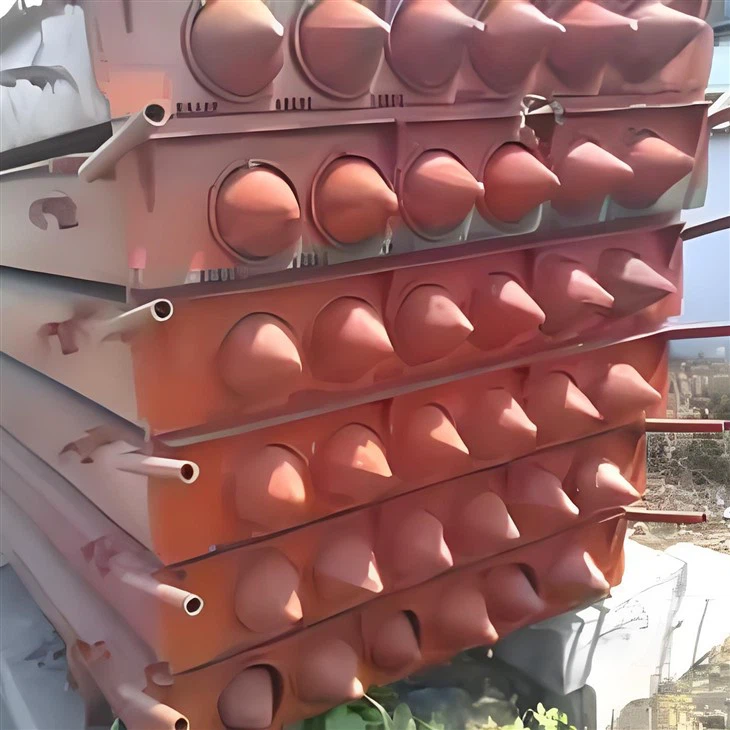

Hollow Floor Machine
Hollow floor machine
Hollow floor machine
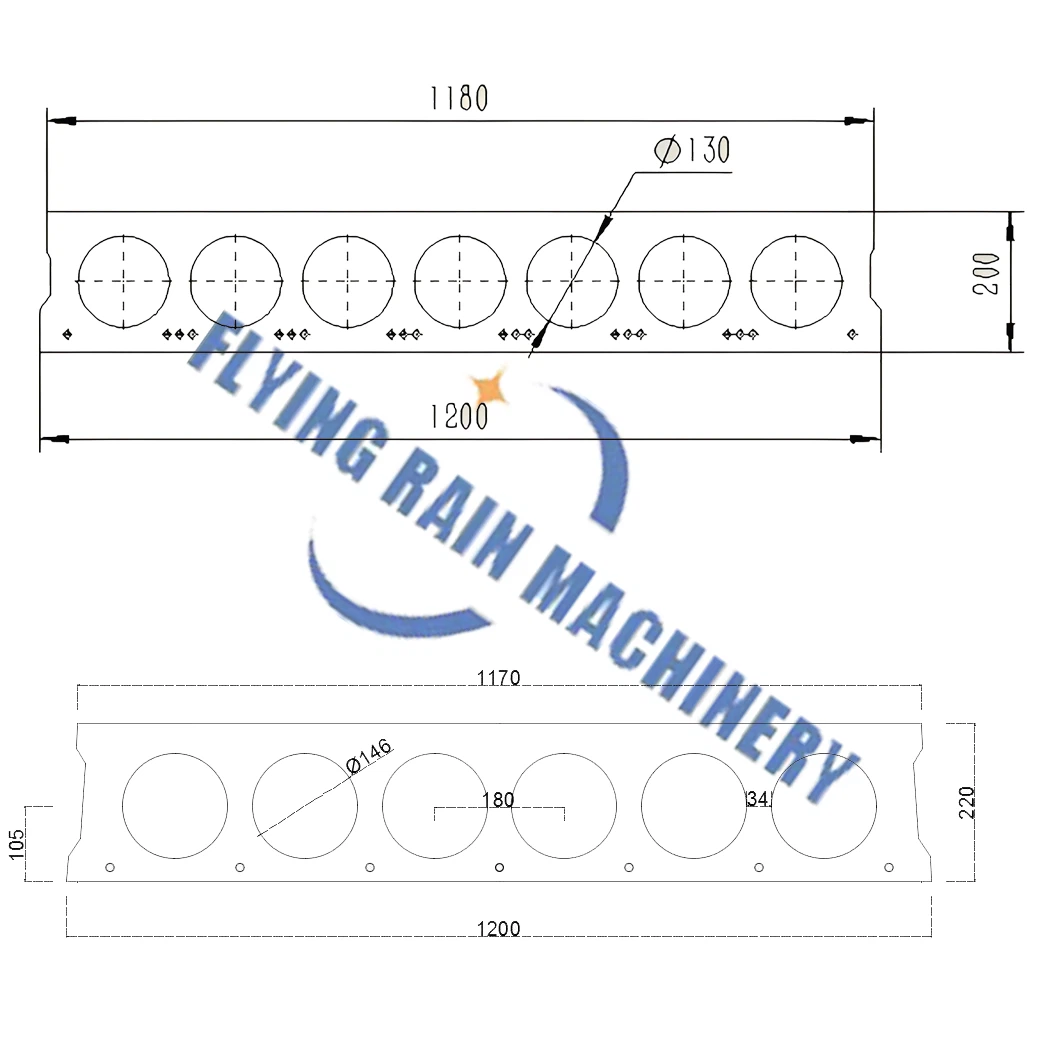
Hollow floor machine
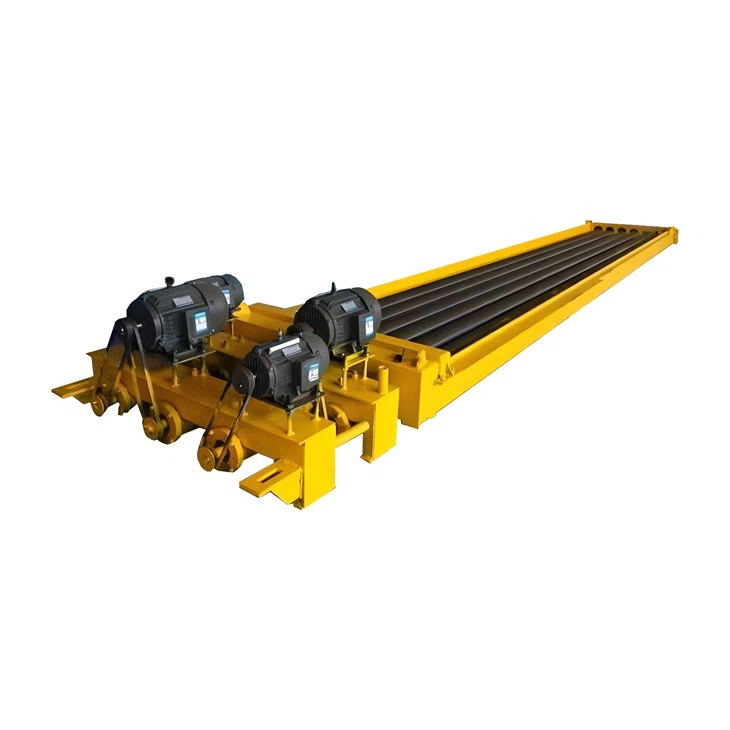
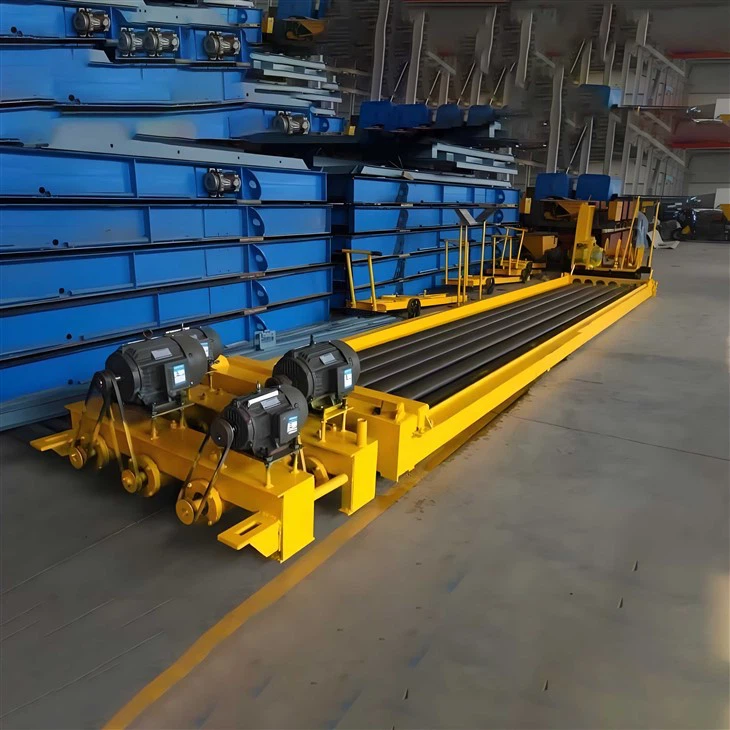
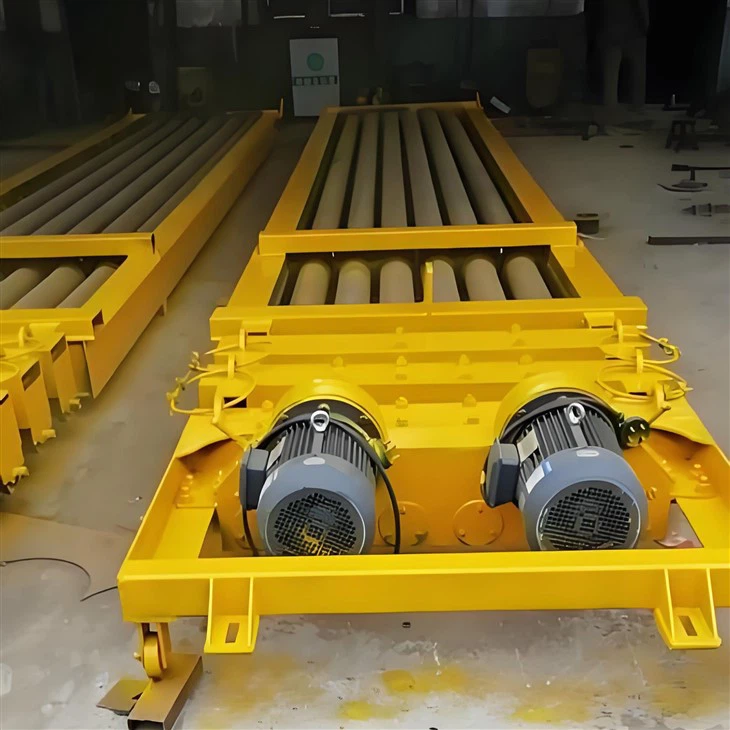
In the rapid development of the construction industry, the hollow floor machine is the key equipment for the production of hollow floors, and it is crucial in the construction of buildings. It uses mechanized operations to efficiently and accurately manufacture hollow floor slabs that meet standards to provide support for construction projects.
Working principle
Hollow floor machine is composed of mould, vibration, concrete conveying and control system. During operation, technicians install and debug the mold, start the concrete conveying system through the control system, and send the mixed concrete into the mold according to the ratio. When filling, the vibration system is opened, the air is discharged to ensure the floor is dense, and the core mold device in the mold forms a hollow structure. After the concrete strength reaches the standard, the demoulding is completed with the demoulding device.
Performance advantage
Efficient production: Highly automated, continuous operation, shorten production cycle, meet large-scale construction needs, improve construction efficiency.
Quality stability: precision mold design and strict process control, so that the hollow floor size accuracy is high, quality is stable, low defective rate.
Save materials: The hollow structure reduces the weight of the floor, reduces the amount of raw materials, and reduces the construction cost.
Easy to operate: the control system interface is simple, the operator can get started after short-term training, reducing labor costs and operation difficulty.
| Vibrating machine | 7.5kw*2 |
| Motor power | 11kw |
| Overall dimensions of the head | 1500*1500*1200 |
| Rear body dimensions | (9500-10500)*1500*500 |
| weight | 3.5T |
| Working hour length | (9500-10500)+1500 |
| Molding plate size | (6.5-6.8-7.1-7.3-7.5)M*1.2M*0.22M |
| Molding speed | Five minutes |
| Working mode | Semi-automatic operation, internal vibration type |
our products
Jining Feiyu Electromechanical Technology Co., Ltd.
Cement post machine
Cement column machine can be customized according to your needs, multiple columns are formed at the same time, saving time and cost, shortening construction period, high degree of automation, low production cost, simple and practical operation
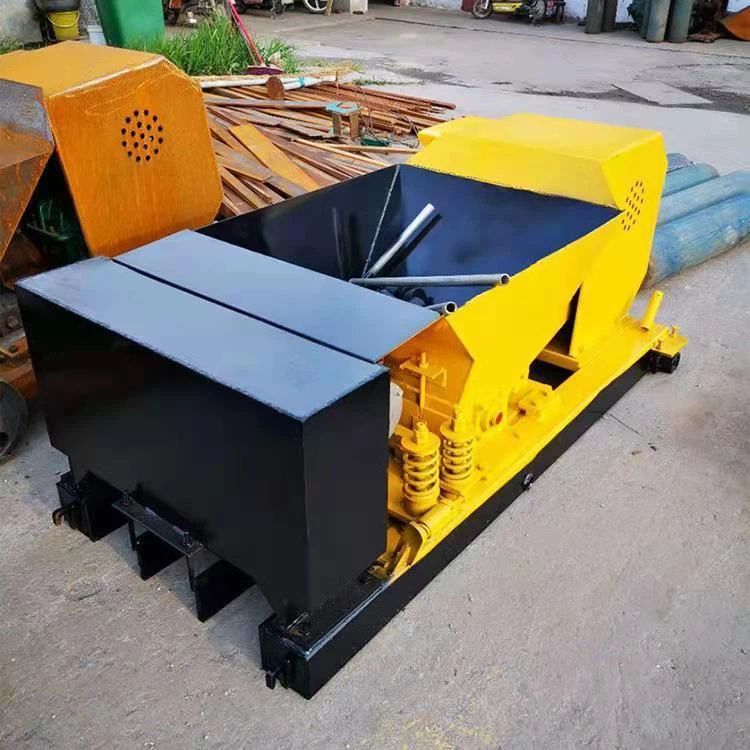
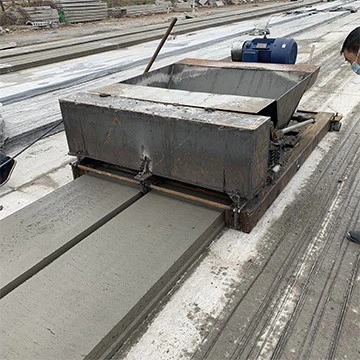
Cement floor machine
The cement floor machine produced by our company can be customized according to your needs, and the finished product can be cut according to the building requirements, which can effectively reduce labor intensity and improve production efficiency
Cement wall board machine
Cement wall plate machine support customization, compared with other ways of production efficiency can be increased by 3-5 times, low labor intensity of workers, high board speed, dense texture, plate shape, accurate size.
Cement purlin machine
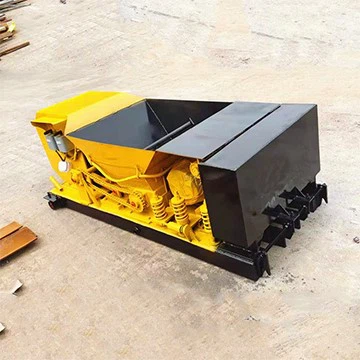
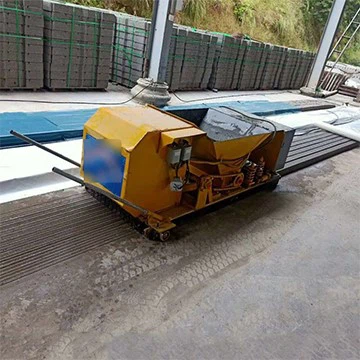
Cement purlin machine is made of cast iron girder, high forming density, smooth forming surface, small error, automatic walking automatic forming, fast board making speed, can produce several pieces at the same time, can be customized according to your needs
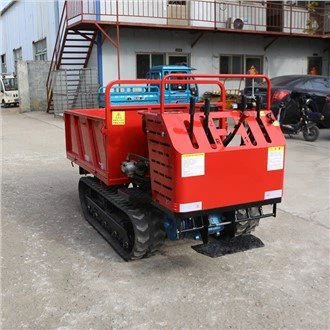
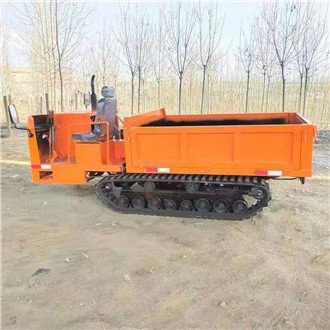
Electric three-wheel dump truck
The electric three-wheel dump truck has belt type three-wheel dump truck and winch type three-wheel dump truck, which can be customized according to your needs, the large battery can meet your production needs, and the customized cargo bucket can meet your engineering needs

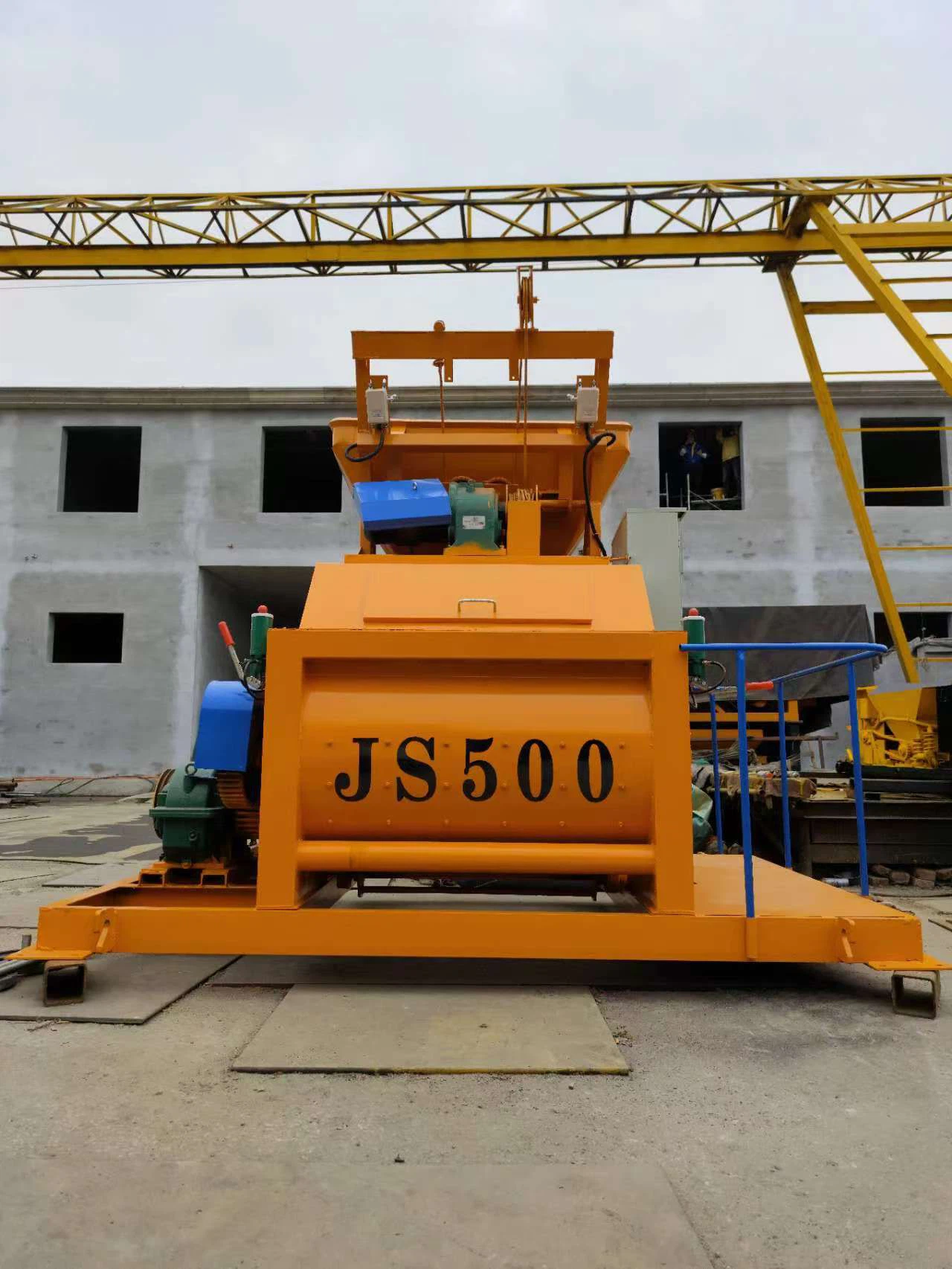
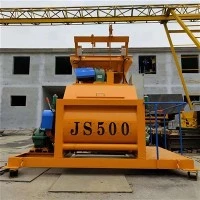
JS500 cement mixer
JS500 cement mixer, can be customized according to your needs mixing system, automatic mixing, automatic discharge, save labor and improve production efficiency, with electric three-wheel unloading truck can not stop feeding equipment
Jining Feiyu electromechanical technology Co., LTD
our advantages
Professional customized service, efficient production quality assurance, technological innovation leading edge, after-sales high efficiency received praise, the market is broad to take the lead.
our products
We specialize in the production of cement column machine, cement floor machine, cement purlin machine, cement lintel machine, automatic mixing system, electric three-wheel unloading truck...

Precautions in use
What you need to pay attention to in use!
Check the equipment before operation: Before use, comprehensively check the components of the hollow floor machine, including whether the mold is deformed and cracked, whether the motor and vibrator connection of the vibration system are stable and can operate normally, whether the pipeline of the concrete conveying system is damaged and blocked, whether the electrical line is aging and short circuit risk, whether the oil level of the hydraulic system is normal, and whether the oil pipe is leaking, to ensure that the equipment has no hidden trouble.
Raw material quality control: strictly screen cement, sand, admixtures and other raw materials, cement needs to check the label, production date, sand and stone should pay attention to particle distribution, mud content, admixtures need to ensure performance and quality. Mix concrete in strict accordance with the mix ratio to ensure workability, fluidity and strength, and prevent raw material problems from affecting the quality of the floor.
Mold installation and debugging: According to the hollow floor specifications of the production, the mold is accurately installed to ensure the installation is firm and the position is accurate. After installation, the parameters of mold opening and closing, flatness and so on are carefully adjusted to make it meet the production requirements. At the same time, clean the mold surface and apply release agent to ensure smooth release and floor surface quality.
Operation process specifications: Operators must be professionally trained and familiar with the equipment operation process and safety precautions. Start, run, and stop the device in strict accordance with the operating rules. Do not modify parameters or perform illegal operations. During the operation of the equipment, pay close attention to the operation status of the equipment, such as abnormal sound, vibration, temperature rise, etc., should be immediately shut down for investigation.
Safety protection measures: set up obvious safety warning signs around the equipment, and prohibit irrelevant personnel from entering the working area. Operators need to wear safety helmets, protective gloves, safety shoes and other personal protective equipment, in the high-altitude work or contact with high-temperature parts, but also equipped with safety belts, heat insulation clothing. Regularly check the safety protection devices of the equipment, such as emergency brake buttons, guardrail, protective cover, etc., to ensure that they are intact and effective, and it is strictly prohibited to remove them at will.
Equipment maintenance and maintenance: After each use, timely clean the equipment surface and internal residual concrete, debris, especially mold, vibrator, pipeline and other key parts. Regular lubrication, fastening, debugging and other equipment maintenance work, according to the regulations to replace the wearing parts and lubricating oil. When not in use for a long time, the equipment should be comprehensively cleaned and rust-proof, placed in a dry and ventilated place, and checked regularly.
You may want to ask
Jining Feiyu electromechanical technology Co., LTD
Q:1.What is the working principle of the hollow floor machine?
A:The working principle of the hollow floor machine is mainly through the cooperative work of various systems, the concrete is processed into a specific hollow structure of the floor, as follows:
Mold system: Mold is a key component to form the shape and size of the hollow floor, usually composed of an outer mold and a core mold. The outer mold determines the external outline of the floor, while the core mold is used to form a hollow part inside the floor. In the production process, the mold needs to be accurately installed and adjusted in advance according to the specifications of the required floor, to ensure that its position is accurate and firmly connected, and to provide accurate space for subsequent concrete pouring.
Concrete conveying system: The concrete conveying system is responsible for delivering the mixed concrete evenly and stably to the mold. The system generally consists of concrete pump, conveying pipe and so on. After starting the equipment, the control system will instruct the concrete pump to work, and the concrete that meets the requirements of the mix ratio and is mixed evenly will be continuously fed into the mold through the conveying pipeline. In the conveying process, the workability and fluidity of the concrete should be ensured to ensure that it can be successfully filled with the mold.
Vibration system: During the process of filling the concrete mold, the vibration system begins to work. The vibration system is generally composed of a motor and a vibrator, and the motor drives the vibrator to produce strong high-frequency vibration. This high-frequency vibration is transmitted to the concrete in the mold, which can make the concrete flow quickly in the mold and evenly distributed to all corners, while discharging the air trapped inside the concrete, making the concrete more dense and improving the strength and quality of the floor.
Control system: The control system is the "brain" of the hollow floor machine, which is responsible for coordinating the work of various systems. Through the control system, the operator can set parameters such as the speed of concrete transportation, the frequency and time of vibration to ensure that the system runs in accordance with the predetermined procedures and requirements. In the entire production process, the control system monitors the operating status of the equipment in real time, and can issue an alarm and stop the operation of the equipment in time if an abnormal situation is found to ensure production safety and product quality.
Demoulding system: When the concrete in the mold after a certain period of condensation, to reach the specified strength, need to form the hollow floor out of the mold. The demoulding system usually uses hydraulic or mechanical devices to exert a certain force on the mold to separate the mold from the floor. In the demoulding process, attention should be paid to the control of strength and mode to avoid damage to the floor, to ensure the complete and smooth demoulding of the floor, and to complete the production process of the hollow floor.
Q:2.What preparatory work should be done before the operation of the hollow floor machine?
A:Before the operation of the hollow floor machine, it is necessary to do a lot of preparatory work, mainly including equipment inspection, mold preparation, raw material inspection and personnel, etc., as follows:
Equipment inspection
Mechanical parts: Check the various mechanical parts of the hollow floor machine, such as motor, reducer, vibrator, etc., to ensure that its connection is firm, no loosening, wear or damage. At the same time, check the lubrication of each transmission component, such as chain, gear, etc., to ensure good lubrication, add or replace lubricating oil if necessary.
Electrical system: Conduct a comprehensive inspection of the electrical system to see whether the wires and cables are damaged, aging, short circuit and other problems, whether the connection of each electrical component is firm, and whether the grounding is good. Check whether the control switch, button, etc. is sensitive and reliable, and whether the instrument display is accurate.
Hydraulic system: If the equipment has a hydraulic system, check whether the oil level of the hydraulic oil is within the normal range, whether the oil quality is good, and whether there is emulsification, deterioration and other phenomena. Check whether there is leakage in the hydraulic pipeline, and whether the hydraulic components such as oil pump, oil cylinder, solenoid valve, etc., are working normally.
Mold preparation
Check the integrity of the mold: carefully check whether the mold is deformed, cracked, damaged, etc., to ensure that the dimensional accuracy and surface flatness of the mold meet the requirements. For the mold with problems, it should be repaired or replaced in time to avoid affecting the molding quality of the floor.
Cleaning and lubrication: Clean up the debris, dust and residual concrete inside the mold before use to ensure that the internal surface of the mold is smooth. At the same time, a layer of release agent is evenly applied on the inner surface of the mold in order to smooth subsequent release and prevent the concrete from sticking to the mold.
Mold installation and debugging: according to the operating procedures, the mold is accurately installed on the hollow floor machine, and the position and Angle of the mold are adjusted to ensure that it is well matched with other parts of the equipment. After the installation is completed, the test mold operation is carried out to check whether the opening and closing of the mold is smooth and whether the sealing of each part is good.
Raw material inspection
Cement: Check whether the varieties and strength levels of cement meet the design requirements, check the factory certificate and inspection report of cement, and re-check the fineness, setting time, stability and other indicators of cement. At the same time, pay attention to the storage conditions of cement to prevent moisture agglomeration.
Sand and stone: the particle composition, mud content, mud lump content and other indicators of sand and stone are tested to ensure that they meet the quality requirements of concrete production. The particle size and grading of sand and stone should be reasonable to ensure the workability and strength of concrete.
Water: The water used for mixing concrete should be clean, free of impurities, and must not contain harmful substances that affect the performance of concrete. Generally using drinking water, if the use of non-drinking water, need to carry out water quality inspection, in line with the relevant standards before use.
Other materials: such as admixtures, admixtures, etc., to check whether their varieties, specifications, performance meet the requirements, view product quality certification documents, and according to the provisions of sampling inspection.
Preparation of site and support facilities
Site cleaning: Clean the site around the device to ensure that the operation space is spacious and free of obstacles, which facilitates the operation and maintenance of the device. At the same time, it is necessary to ensure that the ground of the site is smooth and solid, and can withstand the weight of equipment and raw materials.
Raw materials stacking: cement, sand, stone and other raw materials are stacked separately according to varieties and specifications, and have clear marks to prevent mixing. The stacking position of raw materials should be convenient for loading and reduce transportation distance and time.
Water and electricity supply: Ensure that the construction site has a stable water and electricity supply, the voltage should meet the requirements of the equipment, the water source should be sufficient, the water pipe connection should be firm, and there is no leakage. At the same time, it is necessary to equip the necessary water and electricity metering equipment in order to accurately control the water and electricity consumption.
Staffing and training
Personnel: According to the operation requirements of the hollow floor machine, equipped with a sufficient number of operators, including equipment operators, concrete mixers, loading workers, etc. Personnel in each position should have the appropriate skills and experience, and be familiar with the operation process and safety precautions of the equipment.
Safety training: Before operation, all operators should be trained to understand the safe operation procedures, the use of safety protection devices, possible safety risks, and emergency measures. After the training, the assessment is carried out to ensure that the operator has the ability to operate safely.
Prepare technical documents and records
Technical documents: Prepare technical documents related to hollow floor production, such as design drawings, construction schemes, operating procedures, quality acceptance standards, etc. Operators should be familiar with these technical documents, clear production requirements and quality standards.
Record form: Prepare various production record forms, such as concrete mix record, raw material inspection record, equipment operation record, product quality inspection record, etc. In order to timely and accurately record the relevant data and information in the production process, to provide a basis for quality traceability and management.
Q:3.How to ensure the quality of the floor produced by the hollow floor machine?
A:To ensure the quality of the floor produced by the hollow floor machine, it is necessary to strictly control the raw material control, equipment maintenance, production process management, quality testing and other links, as follows:
Raw material aspect
Strict selection of cement: the selection of stable quality, strength level meets the requirements of the cement, the priority is to choose the cement produced by the factory, each batch of cement to check its factory certificate and inspection report, and according to the provisions of the re-inspection, to ensure that the performance indicators of cement, such as fineness, setting time, stability, strength and so on meet the standards.
Control the quality of sand and stone: strict inspection of sand and stone particle composition, mud content, mud lump content, needle flake particle content and other indicators. The selection of well-graded medium sand and gravel with appropriate particle size, mud content and mud lump content should meet the requirements of the code to ensure the workability and strength of concrete.
Ensure clean water: The water used for mixing concrete should be clean and free of impurities, and drinking water is preferred. If non-drinking water is used, the water quality must be tested to ensure that the water does not contain harmful substances that affect the performance of the concrete, such as acids, alkalis, salts, etc.
Reasonable use of admixtures and admixtures: according to the performance requirements of concrete, choose the appropriate admixtures and admixtures, such as water reducing agents, air entraining agents, fly ash, slag powder and so on. The quality of admixtures and admixtures should meet the relevant standards, and the performance test should be carried out before use to determine the reasonable dosage to improve the working performance and durability of concrete.
Equipment maintenance
Regular comprehensive inspection: Regular inspection of the mechanical parts, electrical system, hydraulic system, etc. of the hollow floor machine, timely discovery and replacement of worn and damaged parts, to ensure that the equipment is in good running condition.
Timely cleaning and lubrication: After each use, the equipment should be cleaned to remove residual concrete and debris to prevent corrosion and blockage of the equipment. At the same time, according to the maintenance requirements of the equipment, the lubrication points are regularly lubricated to ensure the flexible operation of the equipment.
Calibration measuring equipment: Regular calibration of the measuring device of the concrete mixing equipment to ensure the accurate measurement of raw materials. The measurement error should be controlled within the specified range to ensure the accuracy of the concrete mix ratio.
Production process management
Precise control of the mix: according to the design requirements and the actual situation of raw materials, through the test to determine a reasonable mix of concrete. In the production process, the raw materials are measured and fed in strict accordance with the mix ratio to ensure that the strength, workability and other properties of concrete meet the requirements.
Standard mixing operation: control the mixing time and mixing speed of concrete to ensure that the concrete is evenly mixed. The mixing time is too short, the mixing of each component of concrete is not uniform, which affects its performance; Mixing time is too long, may lead to concrete segregation.
Pay attention to the pouring link: when pouring concrete, it is necessary to ensure that the concrete is evenly poured into the mold to avoid the phenomenon of partial material and lack of material. At the same time, control the pouring speed to prevent the pouring speed from affecting the quality of the floor.
Ensure the vibration quality: according to the slump of the concrete and the size of the mold and other factors, choose the appropriate vibration mode and vibration time. Vibration should be sufficient to make the concrete dense and eliminate the internal air, but also to avoid excessive vibration resulting in concrete segregation or surface floating slurry.
Standard maintenance operation: After the completion of pouring, timely maintenance of the floor. According to the conditions of ambient temperature and humidity, appropriate curing methods are used, such as covering plastic film, straw curtain for moisturizing curing, or steam curing, etc., to ensure that the concrete reaches the design strength within the specified time.
Quality inspection aspect
Raw material inspection: Strict inspection of raw materials for each batch, in addition to checking the quality certification documents, but also according to the regulations of sampling testing to ensure that the quality of raw materials qualified.
Implementation of process quality control: in the production process, the slump, workability and other properties of concrete are tested in real time, each plate of concrete should be slump test, and the concrete that does not meet the requirements should not be used for pouring. At the same time, the size and appearance quality of the floor are checked in time, and the problems are adjusted in time.
Carry out finished product performance testing: After the floor is formed, sample testing is carried out according to the specified quantity and frequency, and the strength, bearing capacity and impermeability of the floor are tested. For the hollow floor used for structural bearing, load test should be carried out to check whether it meets the design requirements.
Q:4.What are the contents of daily maintenance of hollow floor machine?
A:The daily maintenance of the hollow floor machine is very important for the performance of the equipment, the service life and the quality of the production of the floor, mainly including cleaning, lubrication, component inspection, fastening and calibration, etc., the following is a specific introduction:
Cleaning work
Clean the surface of the equipment: after each use, the dust, oil and residual concrete and other debris on the surface of the hollow floor machine should be cleaned in time. You can use a broom, rags and other tools to clean, for stubborn stains, you can use appropriate cleaning agent to wipe, but be careful to avoid cleaning agents on the surface of the equipment caused by corrosion.
Remove debris in the mold: the mold is a key component of the hollow floor machine, and the concrete residue, soil and other debris in the mold must be cleaned up after use to prevent it from curing in the mold and affecting the next use. Tools such as shovel and brush can be used for cleaning to ensure that the inner surface of the mold is smooth and free of debris.
Dredge the conveying pipe: For the hollow floor machine equipped with concrete conveying pipe, it is necessary to regularly check whether the pipe is blocked. After the equipment is used, rinse the pipeline with clean water in time to ensure that no concrete remains in the pipeline. If it is found that the pipeline is blocked, it should be dredged in time, and it can be cleaned by blowing compressed air or disassembling the pipeline.
Lubrication maintenance
Add lubricating oil regularly: according to the requirements of the equipment instruction manual, regularly lubricate the lubrication points of the hollow floor machine. In general, gears, chains, bearings and other rotating parts need to add an appropriate amount of lubricating oil every certain working time or shift. Commonly used lubricating oil are mechanical oil, gear oil, etc., according to the requirements of different parts to choose the appropriate lubricating oil.
Check the lubrication system: regularly check whether the lubrication system of the equipment is working properly, including the oil pump, oil nozzle, oil pipe and other components. Check whether the supply of lubricating oil is smooth and whether there is leakage. If the lubrication system is found to be faulty, repair or replace the damaged parts in time to ensure that all parts of the equipment are well lubricated.
Component inspection
Check the mechanical parts: check the various mechanical parts of the hollow floor machine, such as motor, reducer, vibrator, pulley, chain, etc., to see if there is wear, loosening, deformation and other conditions. The motor should check whether its running sound is normal, the reducer should check whether the oil level and oil temperature are normal, and the vibrator should check whether its vibration frequency and amplitude meet the requirements. For severely worn parts, should be replaced in time; Tighten loose parts in time.
Check the electrical system: regularly check whether the wires and cables of the electrical system are damaged, aging, short circuit and other problems, and whether the electrical components such as contactors, relays, switches and so on are working normally. Check whether there is too much dust in the electrical control cabinet, and clean it up in time if necessary. At the same time, check whether the device is properly grounded to ensure the safety of the operator.
Test the hydraulic system: If the hollow floor machine is equipped with a hydraulic system, it is necessary to regularly check the oil quality and oil level of the hydraulic oil. The oil should be clear and transparent, without emulsification and deterioration, and the oil level should be within the normal range. Check whether there is leakage in the hydraulic pipeline, and whether the hydraulic components such as oil pump, oil cylinder, solenoid valve, etc., are working normally. If the hydraulic system is found to be abnormal, it should be repaired in time.
Fastening and calibration
Component fastening: During the operation of the device, the connection bolts of some components may be loose due to vibration and other reasons. Therefore, it is necessary to regularly tighten the various parts of the equipment, especially the connection bolts of the mold, the installation bolts of the motor and the reducer, and the fixing bolts of the vibrator. When tightening bolts, operate in accordance with the specified torque to ensure a strong connection.
Mold calibration: The mold may be deformed and displaced during use, affecting the molding quality of the floor. Therefore, the mold should be calibrated regularly to check whether the size, flatness and verticality of the mold meet the requirements. If there is any deviation, it should be adjusted or repaired in time.
Q:5.Hollow floor long time does not use how to maintain?
A:When the hollow floor is not used for a long time, it is necessary to carry out comprehensive maintenance to prevent the equipment from rusting, aging, etc., and ensure that it can operate normally when used again. The following are specific maintenance measures:
Cleaning and protection
Thoroughly clean the equipment: first cut off the power supply, and then carry out a comprehensive and thorough cleaning of the hollow floor machine, remove the residual concrete, dust, oil and other debris on the surface of the equipment and inside. In particular, mold, conveying pipeline, mixing cylinder and other parts, to ensure that there is no residual material, you can use high-pressure water guns, shovels, brushes and other tools to clean, but pay attention to avoid damaging the surface of the equipment.
Anti-rust treatment: After cleaning, apply anti-rust oil or paint to the metal parts of the equipment, such as the fuselage, molds, and transmission parts, to prevent rust. For parts that are easy to rust, such as piston rods, screw rods, etc., you can apply more anti-rust oil, and use plastic film or oil paper for wrapping protection.
Component inspection and maintenance
Inspection of key components: Detailed inspection of each key component of the equipment, including motor, reducer, vibrator, hydraulic system, electrical system, etc. Check whether the motor is damp, whether the oil quality of the reducer is good, whether the vibration effect of the vibrator is normal, whether the hydraulic system is leaking, whether the electrical components are damaged or aging and other problems. If there is a problem, timely repair or replacement.
Replacement of wearing parts: check the wearing parts of the equipment, such as belts, chains, seals, bearings, etc. For worn or damaged wearing parts, timely replacement, so as to avoid failure in the next use, affecting the normal operation of the equipment.
Mold maintenance: Mold is an important part of the hollow floor machine, long time not used, to carry out special maintenance of the mold. After cleaning the mold, apply a layer of release agent or butter on its surface, and then store the mold in a dry, ventilated place to avoid mold deformation or rust.
Storage environment and measures
Choose the appropriate storage environment: Store the hollow floor machine in a dry, ventilated and cool indoor place to avoid exposure to the outdoor environment, direct sunlight, rain immersion, sand erosion and so on. If there is no indoor space, you should also build an awning, and do a good job of moisture-proof and sand-proof measures.
To prevent the device from tilting or deforming due to uneven ground or other reasons during storage, support and fix the device properly. You can use ties or bricks to cushion the body of the device, so that it is a certain distance from the ground, and at the same time, the key parts of the device are fixed to prevent it from shaking.
Regular power inspection: Even if the equipment is not used for a long time, it should be powered on every period of time (generally 1-2 months), so that the equipment can run idling for a period of time to check whether the electrical system and mechanical parts of the equipment are normal, but also to prevent the motor and other parts from being damp and rusting, and extend the service life of the equipment.
Q:6.What are the safety precautions for using hollow floor machine?
A:When using a hollow floor, safety is very important, the following are some safety precautions:
Personnel operation aspect
Professional training and certification: operators must undergo professional training, familiar with the performance of the hollow floor machine, operating methods, safety procedures, etc., after passing the examination and obtaining the corresponding operation certificate, they can work on the job, and unlicensed personnel are strictly prohibited.
Personal protective equipment wearing: The operator should wear personal protective equipment correctly during operation, such as safety helmet, protective gloves, safety shoes, etc. If you work in a dust environment, you should also wear a dust mask; If the noise is loud, wear anti-noise products such as earplugs or ear muffs.
Strictly abide by the operation rules: Strictly follow the operation rules of the device. Do not change the operation process or simplify the operation steps. During the operation of the equipment, the operator shall not leave the work post without authorization, and pay close attention to the operating status of the equipment.
Multi-person cooperative operation specification: If it is necessary for multi-person cooperative operation of the hollow floor machine, it is necessary to clarify the division of labor and unified command to ensure the tacit cooperation and smooth communication between the operators. In the mold installation, disassembly and other work that requires the cooperation of many people, pay attention to the action between each other to avoid collision, extrusion and other accidents.
Equipment maintenance
Regular inspection and maintenance: Regular comprehensive inspection and maintenance of the hollow floor machine, including mechanical components, electrical systems, hydraulic systems, etc., to ensure that the equipment is in good operating condition. For the problems and hidden dangers found in the inspection, maintenance and treatment should be carried out in a timely manner, and the equipment is strictly prohibited to operate with fault.
Safety device inspection: Before each use, it is necessary to focus on checking whether the safety protection device of the equipment is complete and effective, such as emergency brake button, limit switch, protective fence, protective cover, etc. If the safety protection device is found to be damaged or invalid, it should be stopped immediately for repair, and can be continued to use until it is restored to normal.
Equipment cleaning and arrangement: keep the equipment and work site clean and tidy, timely clean the debris, dust and oil on the equipment, to avoid the accumulation of debris caused by safety accidents. At the same time, put the tools and materials neatly to avoid tripping or injuring the operator during the operation.
Operating environment
Site requirements: The hollow floor machine should be installed on a flat, solid ground to ensure that the equipment will not tilt, shake and other phenomena during operation. The working area should be spacious and bright, with no obstacles around it, which is easy for the operator to operate and maintain the equipment.
Electrical safety guarantee: Check whether the electrical wiring of the work site meets the safety requirements, ensure that the equipment is well grounded, and the wires and cables are free from damage, aging, leakage and other problems. The electrical control cabinet should be installed in a dry and ventilated place to avoid moisture and rain and prevent electric shock accidents.
Fire and explosion-proof measures: If there are flammable and explosive items stored in the workplace, such as gasoline, diesel, oxygen, acetylene, etc., effective fire and explosion-proof measures should be taken, such as setting fire isolation belts, equipped with fire extinguishing equipment. It is strictly prohibited to conduct open flame operation or spark operation near flammable and explosive materials.
Hot Tags: hollow floor machine, China hollow floor machine manufacturers, factory, concrete boundary wall machine, concrete wall notching machine, Pre-stressed concrete hollow wall panel machine, automatic concrete wall machine, concrete wall machine expansions, concrete wall machine collaborations
Previous
Cement House MoldYou Might Also Like



Send Inquiry