




Cement House Mold
Cement house mold
Cement house mold
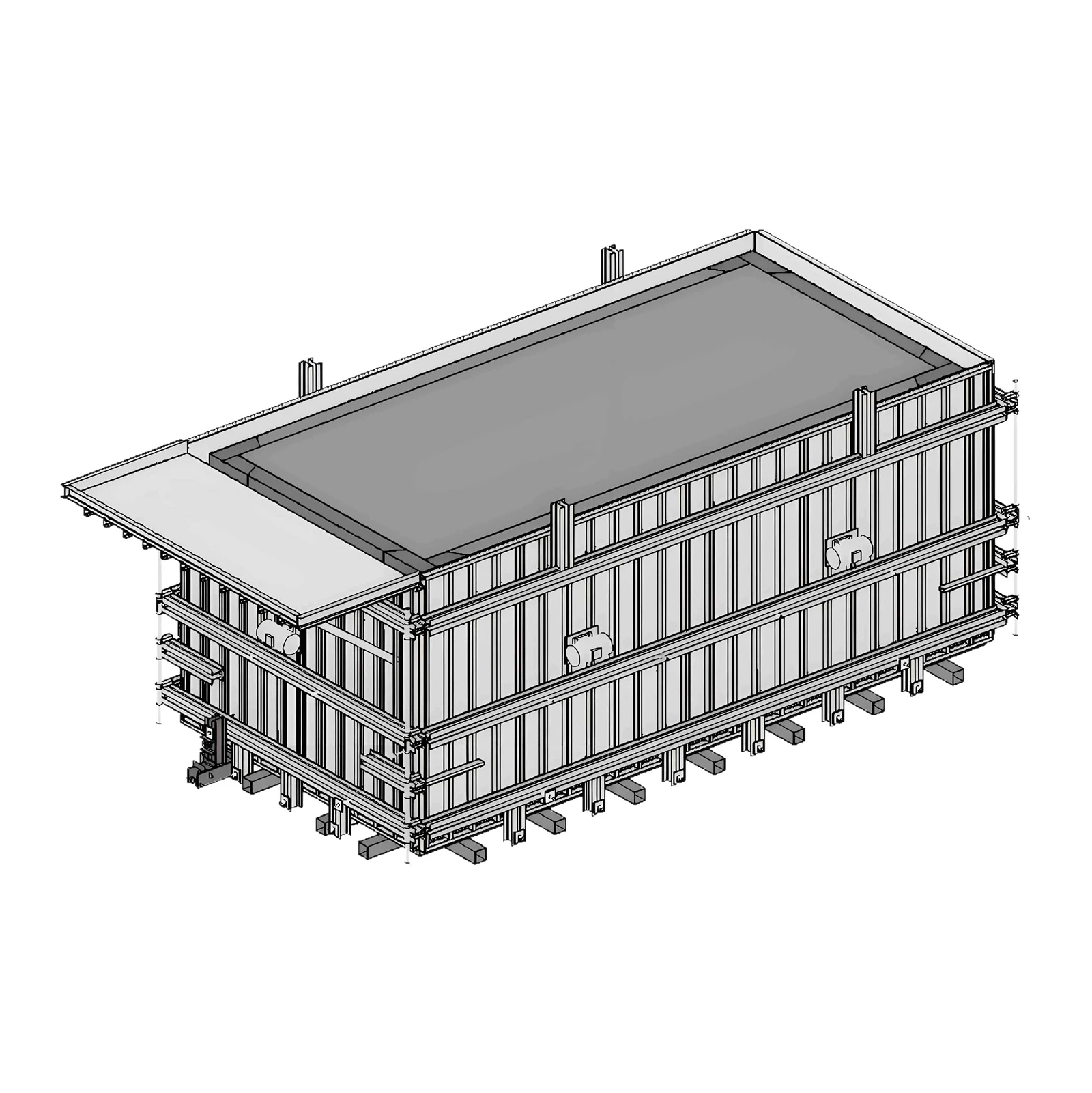
Cement house mold
Cement house mold: a new tool for construction
In the field of construction, the cement house mold has become the best choice for the project with its outstanding advantages.
Precision molding, good quality
Mold high-precision manufacturing, can accurately shape all kinds of houses, from apartments to villas, commercial buildings, stable molding, component size, surface flat, reduce the post-repair, ensure the quality of construction.
Excellent material selection, long life
The main body is made of high-quality steel or composite materials. The steel mold has high strength, wear-resistant, and can withstand multiple uses; The composite mold is light, corrosion-resistant, adaptable to complex environment and cost-saving.
Modular design, high efficiency
Modular design, parts can be flexibly loaded and unloaded, easy to transport and storage. Can quickly adjust the size according to the demand, fast construction and assembly, shorten the construction period, convenient disassembly, fast turnover.
Wide application, strong adaptation
It is suitable for residential buildings, scenic cabins, temporary buildings, and also for commercial and public facilities, with strong adaptability.
Easy to operate, more secure
The operation process is simple, and the workers can master it after a short training. Casting, vibration, mold removal, easy to operate, reduce technical requirements, improve construction safety.
The concrete house mold is accurate, durable, flexible and easy to use, providing efficient solutions for the construction industry, suitable for large and small projects.
our products
Jining Feiyu Electromechanical Technology Co., Ltd.
Cement post machine
Cement column machine can be customized according to your needs, multiple columns are formed at the same time, saving time and cost, shortening construction period, high degree of automation, low production cost, simple and practical operation
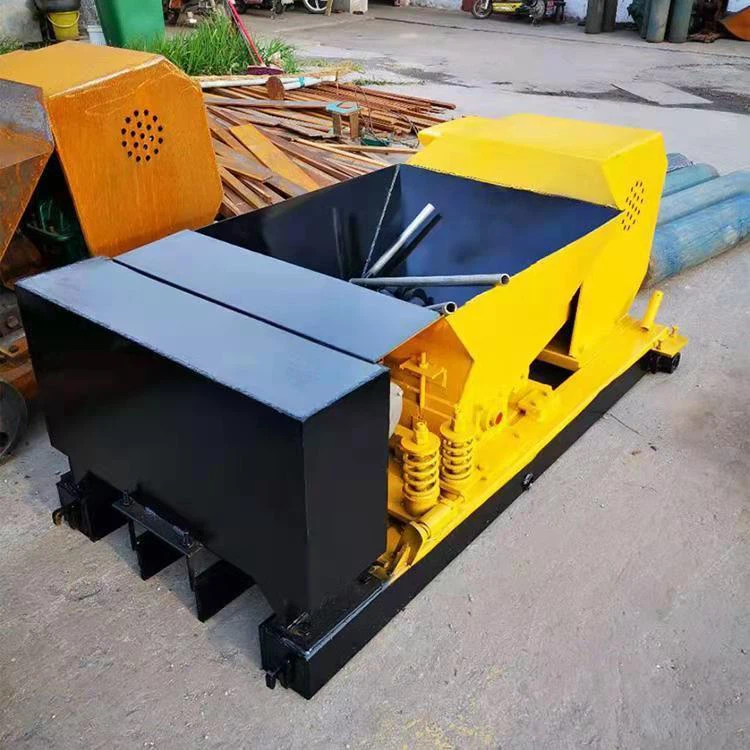
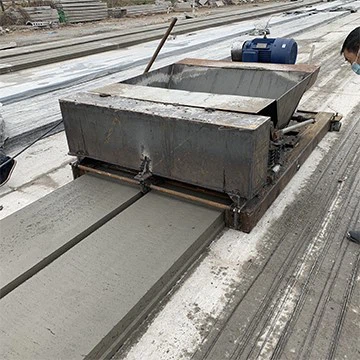
Cement floor machine
The cement floor machine produced by our company can be customized according to your needs, and the finished product can be cut according to the building requirements, which can effectively reduce labor intensity and improve production efficiency
Cement wall board machine
Cement wall plate machine support customization, compared with other ways of production efficiency can be increased by 3-5 times, low labor intensity of workers, high board speed, dense texture, plate shape, accurate size.
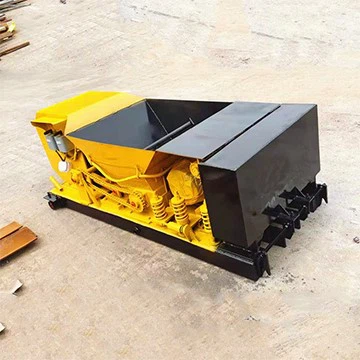
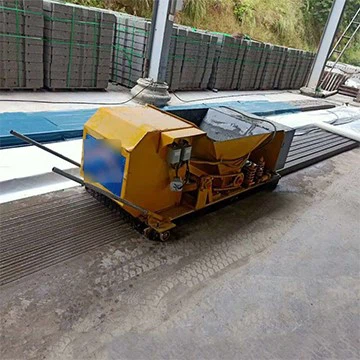
Cement purlin machine
Cement purlin machine is made of cast iron girder, high forming density, smooth forming surface, small error, automatic walking automatic forming, fast board making speed, can produce several pieces at the same time, can be customized according to your needs
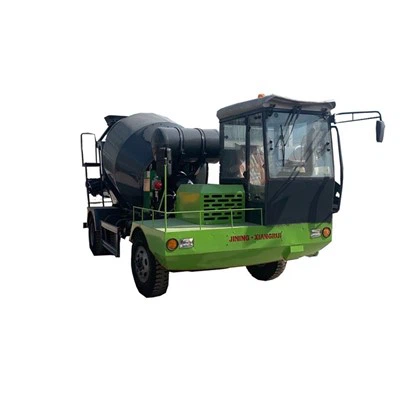
Electric three-wheel dump truck
The electric three-wheel dump truck has belt type three-wheel dump truck and winch type three-wheel dump truck, which can be customized according to your needs, the large battery can meet your production needs, and the customized cargo bucket can meet your engineering needs

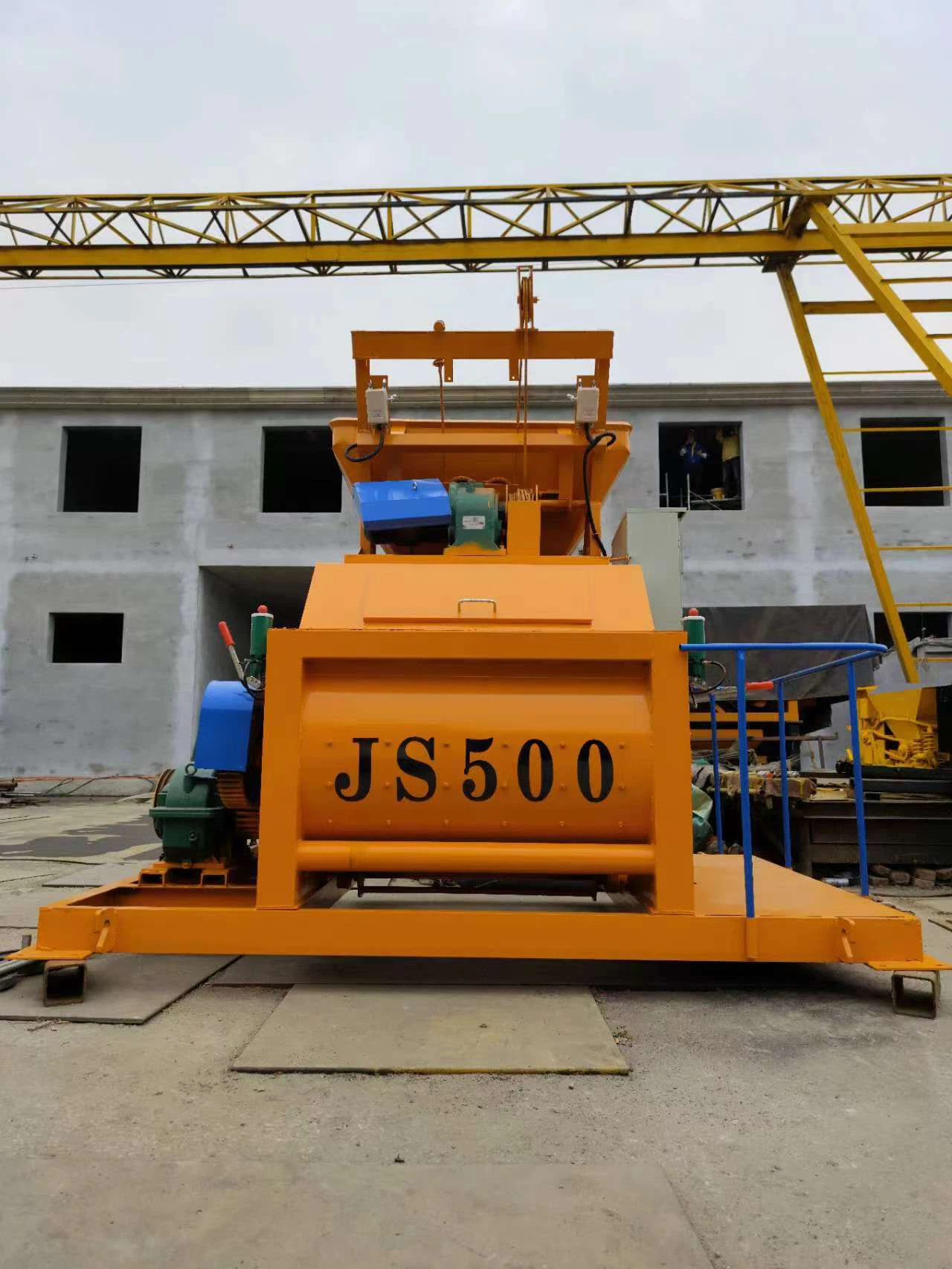
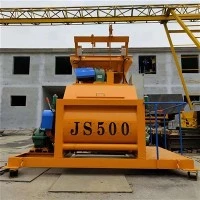
JS500 cement mixer
JS500 cement mixer, can be customized according to your needs mixing system, automatic mixing, automatic discharge, save labor and improve production efficiency, with electric three-wheel unloading truck can not stop feeding equipment
Jining Feiyu electromechanical technology Co., LTD
our advantages
Professional customized service, efficient production quality assurance, technological innovation leading edge, after-sales high efficiency received praise, the market is broad to take the lead.
our products
We specialize in the production of cement column machine, cement floor machine, cement purlin machine, cement lintel machine, automatic mixing system, electric three-wheel unloading truck...

Jining Feiyu Electromechanical Technology Co., Ltd
Professional customized service, efficient production quality assurance, technological innovation leading edge, after-sales high efficiency won praise, the market is broad to take the lead
Jining Flying Rain Mechanical & Electrical Technology Co., Ltd. specializes in producing advanced machinery, including prestressed slab, purlin, lintel & wood forming machines, light wallboard equipment, cranes (truck-mounted & crawler types), sweepers, etc. Our designs are scientific, durable, and user-friendly, ensuring fast, high-quality production with cost savings and long service life, enhancing clients' competitiveness and profitability.
Precautions in use
What you need to pay attention to in use!
Control concrete pouring: When pouring concrete, it is necessary to strictly control the mix ratio and slump of concrete to ensure that the working performance of concrete meets the requirements. Adopt appropriate pouring methods, such as layered pouring, uniform fabric, etc., to avoid concrete segregation, honeycomb, pockmarked surface and other defects. At the same time, pay attention to controlling the pouring speed to avoid being too fast or too slow. Too fast may cause the air inside the concrete can not be discharged in time, forming pores; Too slow may affect the setting time and overall quality of the concrete. In the process of pouring, it should also be vibrated in time to make the concrete dense.
Reasonable brushing release agent: In order to facilitate the smooth release of concrete after forming, it is necessary to evenly paint release agent on the surface of the mold. Release agents with reliable quality and in line with requirements should be selected to avoid the use of inferior products, so as not to affect the surface quality of concrete. When brushing release agent, pay attention to control the amount to avoid too much or too little. Too much release agent may lead to oil stains on the surface of concrete, affecting the beauty and subsequent decorative construction; Too little can lead to difficulty in releasing molds and even damage to molds and concrete members.
Correct installation of mold: In accordance with the design requirements and operation specifications of the correct installation of cement house mold. Ensure that each part of the mold is installed accurately and connected tightly to prevent slurry leakage during the concrete pouring process. During the installation process, attention should be paid to adjusting the levelness and verticality of the mold to ensure the dimensional accuracy and appearance quality of the concrete components. For large or complex molds, calibration may be required using professional measuring tools and equipment.
Pre-use inspection: Before using the cement house mold, be sure to carry out a comprehensive and detailed inspection of the mold. Check whether the parts of the mold are intact, whether there are cracks, deformation or damage, especially whether the bolts and fasteners of the connection parts are firm. At the same time, check whether the surface of the mold is clean. If there is residual concrete, oil or other impurities, it should be cleaned up in time to ensure the normal use of the mold and the molding quality of the concrete components.
Timely demoulding: the control of demoulding time is very critical, premature demoulding may lead to insufficient strength of concrete members, deformation, cracking and other problems; Too late release will increase the difficulty of release, and may even damage the mold. The demoulding time should be reasonably determined according to the strength growth of concrete and construction environmental conditions. In general, it can be determined by test block strength detection or empirical judgment. In the demoulding process, be careful to avoid the use of violence, so as not to damage the mold and concrete members.
Timely cleaning and maintenance: After use, the cement house mold should be cleaned and maintained in time. Remove the residual concrete, release agent and other impurities on the mold surface to keep the mold surface clean. For parts that are prone to rust, such as steel surfaces, anti-rust agents should be applied to protect them. At the same time, check the wear of the mold, and repair or replace the severely worn parts in time. Store the mold in a dry and ventilated place to avoid mold damage such as moisture and corrosion, so as to extend the service life of the mold.
You may want to ask
Jining Feiyu electromechanical technology Co., LTD
Q:1.What types of houses can cement house molds make?
A:Cement house molds are widely used to make many types of houses, the following are some common types:
Residential:
Multi-storey apartment: According to the design requirements, each floor slab, wall and other components of multi-storey apartment can be accurately shaped to achieve standardized and large-scale production, accelerate the construction speed of apartment buildings, and ensure the consistency of building quality.
Single-family villa: For single-family villas that pursue personalized design, the cement house mold can produce corresponding components according to the unique household type and appearance modeling. Whether it is exquisite appearance details or reasonable internal space layout, high-quality concrete pouring molding can be achieved through the mold.
Tourist Buildings:
Holiday cottage: In scenic tourist areas, cement house molds can create holiday cottages with different styles, such as European pastoral style, modern simple style and so on. These huts not only blend in with the surrounding natural environment, but also have good structural stability and durability.
Homestays: Special homestays that meet the needs of different tourists can also be built with the help of cement house molds. From the unique shape of the exterior to the comfortable living space inside, the mold can help realize the design solution and provide visitors with a unique accommodation experience.
Commercial Buildings:
Small shops: In commercial streets, shopping centers and other places, cement house molds can be used to make building components of small shops, quickly build practical commercial space, and meet the business needs of merchants.
Kiosks: kiosks in urban streets, scenic spots and other places, the use of cement house mold production, can improve production efficiency, so that the kiosk has better robustness and beauty.
Temporary buildings:
Site dormitory: In the construction site, the cement house mold can quickly build the site dormitory, providing a safe and comfortable temporary living place for the construction personnel. The rapid molding and installation of its components can meet the urgent needs of temporary housing on the site.
Movable board house: Some movable board houses that need to be temporarily constructed, the concrete components made of cement house molds have better fire and moisture resistance performance than traditional materials, which improves the safety and practicality of movable board houses.
Public Facilities:
Small public toilets: In public places such as parks and squares, cement house molds can be used to build small public toilets to ensure the structural strength and durability of the building, while facilitating later maintenance and management.
Guard room: The guard room at the gate of the community, the gate of the factory and other places, the use of cement house mold production, can be quickly built, and has good protective performance, to ensure the safety of the security personnel.
Q:2.What is the service life of the cement house mold?
A:The service life of cement house mold is affected by many factors such as material, frequency of use, maintenance and so on, and the difference is large, as follows:
Steel mold: high-quality steel mold with high strength and good wear resistance, if the frequency of use is moderate, such as 5 to 8 times a month, and after each use, it can be cleaned in time, apply anti-rust agent and other maintenance work to avoid rust and wear on the surface of the mold, the service life of this type of mold can usually reach 8 to 15 years. However, if the use of harsh environment, such as long-term in a humid, high salt spray environment, or the use of the process often collision, excessive vibration caused by mold stress inequality, and lack of proper maintenance, then its service life may be shortened to 3 to 5 years.
Composite mold: In general, composite mold quality is relatively light, with good corrosion resistance. Under normal circumstances, it is used about 30 times a year, and can be correctly stored after each use, avoid direct sunlight and contact with chemicals, and repair the worn parts in time, and its service life is about 5 to 10 years. However, if you do not pay attention to protection in use, such as random stacking leading to mold deformation, or using sharp tools to scratch the surface of the mold, so that its protective layer is damaged, then the service life may only be 2 to 4 years.
Plastic mold: The cost of ordinary plastic mold is relatively low, but the strength and durability are poor. If it is only used occasionally, the number of times per year is less than 10 times, and after use, it can be carefully stored to avoid high temperature and heavy pressure, and its service life may be 2 to 3 years. However, if it is used frequently or used improperly, such as forced release in a high temperature environment, resulting in mold deformation and rupture, it may need to be replaced for about 1 year.
To sum up, the service life of the cement house mold is not fixed, and its service life can be effectively extended through proper use and careful maintenance.
Q:3.What are the requirements for concrete using cement house molds?
A:The use of cement house mold has many requirements for concrete, mainly including the following points:
Strength grade: The strength grade of concrete should be determined according to the structural design requirements of the building being built. General residential, small commercial buildings, etc., commonly used concrete strength grade between C20 and C35. For some buildings with high structural strength requirements, such as the foundation part of high-rise buildings, industrial plants, etc., it may be necessary to use concrete with strength grades of C35 and above. The appropriate strength level can ensure the safety and stability of the building structure and meet the use function of the building.
Mix ratio: the mix ratio of concrete should be accurate and reasonable, and the proportion of each component such as cement, sand, stone, water and admixture should be formulated in strict accordance with the design requirements. Improper mix ratio may affect the working performance and strength of concrete. For example, too much cement will increase the hydration heat of concrete, which may cause concrete cracking; Too much sand will reduce the strength and fluidity of concrete. Accurate mix ratio can ensure that concrete has good workability, strength and durability.
Slump: Slump is an important index to measure the fluidity of concrete. When using cement house mold, the slump of concrete is generally controlled between 80-180mm. For the parts with complex structure and dense reinforcement, concrete with large slump (120-180mm) is needed to ensure that concrete can fill all corners of the mold smoothly and avoid defects such as honeycomb and pitted surface; For some parts that have higher surface requirements and are not easy to vibrate, the slump can be appropriately small (80-120mm).
Aggregate size: The aggregate size in the concrete should be selected according to the size of the mold and the spacing of the steel bars. In general, the maximum particle size of the coarse aggregate should not exceed 1/4 of the minimum size of the mold, and should not exceed 3/4 of the minimum net spacing of the steel bar. This can ensure that the concrete in the process of pouring can smoothly through the steel bar gap, fill the mold, to avoid the blockage, pouring is not dense situation. The particle composition of fine aggregate (sand) should also be reasonable to ensure the workability and working performance of concrete.
Setting time: the initial setting time and final setting time of concrete should meet the construction requirements. The initial setting time should not be too short, otherwise the concrete may lose its fluidity in advance during the pouring process, resulting in abnormal construction; The final setting time should not be too long, so as not to affect the construction progress and subsequent processes. Under normal circumstances, the initial setting time of concrete should be controlled at about 2-4 hours, and the final setting time at about 6-8 hours, but the specific needs to be adjusted according to the construction environment temperature, the use of admixtures and other factors.
Workability: Concrete should have good workability, including fluidity, cohesiveness and water retention. The concrete with good fluidity can be evenly distributed in the mold, which is easy to vibrate and compact; Good cohesion can prevent the segregation of concrete in the process of transportation and pouring; Good water retention can avoid premature water loss in concrete and ensure the normal setting and hardening of concrete. Good workability is one of the key factors to ensure the quality of concrete components.
Durability: Taking into account the service life of the house, the concrete made of cement house mold should have certain durability, such as impermeability, frost resistance, erosion resistance and so on. The durability of concrete can be improved by reasonable selection of cement varieties, control of water-cement ratio, adding appropriate admixtures and so on, so that it can be used in different environmental conditions for a long time.
Q:4.What should we pay attention to during the installation of cement house mold?
A:The installation quality of cement house mold directly affects the molding effect and quality of cement house components, and there are many matters needing attention during the installation process, as follows:
Site preparation: Before installation, ensure that the installation site is solid and level. It is best to harden the ground. If it is installed on soft ground, it is necessary to tamp or pave steel plate on the ground to prevent settlement and tilt after mold installation, which will affect the dimensional accuracy and quality of house components.
Check the mold parts: carefully check the mold parts are complete, there are no deformation, cracks, damage and other conditions. Pay special attention to the bolts, nuts, fasteners and other parts of the connection parts are complete and can be used normally. For the parts with problems, they should be repaired or replaced in time to avoid unstable installation or affecting the molding effect due to component defects.
Clean the surface of the mold: Before installation, the surface of the mold must be thoroughly cleaned to remove impurities such as oil, rust, dust, and old concrete residue. Sandpaper, wire brush, detergent and other tools can be used for cleaning to ensure that the mold surface is clean and smooth, in order to facilitate concrete demoulding and ensure the surface quality of components.
Installation according to the design drawings: strictly follow the design drawings and installation instructions for mold installation to ensure that the installation position of each component is accurate. Pay attention to the size, shape, Angle of the mold to meet the design requirements, for complex mold structure, can be pre-assembled first, check and then formally installed.
Fasten the connection: Use the appropriate tool to connect the mold parts firmly. When bolted, the bolts should be tightened according to the specified torque to ensure tight connection and prevent slurry leakage during the concrete pouring process. The parts connected by the buckle should be fully fastened without loosening. For large molds, additional support and fixing measures may also be required to enhance the stability of the mold.
Sealing treatment: At the joint of the mold, such as the connection between the wall panel and the wall panel, the wall panel and the bottom plate, effective sealing measures should be taken to prevent slurry leakage during concrete pouring. Sealing tape, sealing paste and other materials can be used to seal to ensure a good sealing effect.
Check verticality and levelness: During installation, use measuring tools such as level and theodolite to check the verticality and levelness of the mold at any time. Ensure that the vertical deviation and horizontal deviation of the mold are within the allowable range, generally the vertical deviation does not exceed ±3mm, and the horizontal deviation does not exceed ±2mm. If there is deviation, timely adjustment.
Steel bar layout and embedded parts installation: If steel bars need to be arranged in the mold, the steel bar should be accurately placed according to the design requirements, and ensure that the spacing, number and anchoring length of the steel bar meet the specifications. At the same time, for the embedded parts such as door and window openings, water and electricity pipelines, they should be accurately installed in place during the mold installation process, fixed firmly, and prevented from shifting during the concrete pouring process.
Review inspection: After the mold installation is completed, a comprehensive review inspection is carried out. Check whether the installation of each component is correct, whether the connection is firm, whether the seal is good, and whether the measurement size meets the design requirements. After confirmation, the next step of concrete pouring can be carried out.
By paying attention to the above installation points, the installation quality of the cement house mold can be ensured, and the foundation for the subsequent production of high-quality cement house components can be laid.
Q:5.How to carry out daily maintenance of cement house mold?
A:The daily maintenance of the cement house mold can effectively extend its service life, ensure the accuracy of the mold and the quality of the concrete component. The following is the specific method of daily maintenance:
Timely cleaning: After each use of the cement house mold, it is necessary to timely clean the residual concrete, release agent and other impurities on the surface of the mold. For the concrete attached to the surface of the mold, it can be gently removed with a soft brush or scraper when it is not fully hardened, avoiding the use of sharp tools to scratch the surface of the mold. For some parts that are difficult to clean, you can use a special concrete cleaning agent to clean, and then rinse with water, and dry the water to prevent the mold from rusting.
Check for wear: Regularly check the various parts of the mold, especially the surface in direct contact with the concrete, to see if there is wear, deformation or damage. Focus on checking the corners of the mold, connecting parts and other places that are easy to wear. If the wear degree is found to be light, appropriate repair can be carried out, such as grinding, repair welding, etc.; For parts that are seriously worn or have been damaged, they should be replaced in time to ensure the dimensional accuracy and performance of the mold.
Anti-rust treatment: For the steel mold, anti-rust is an important part of daily maintenance. Apply a layer of anti-rust agent or anti-rust oil on the surface of the clean and dry mold, especially in a humid environment or when the mold is not used for a long time, it is necessary to strengthen anti-rust measures. A spray gun or brush can be used to evenly apply the anti-rust agent to ensure that all parts of the mold are protected. For the parts that have been rusted, rust removal treatment should be carried out first, and then apply anti-rust agent.
Lubricating moving parts: Some moving parts on the mold, such as hinges, bolts, clasps, etc., need to be lubricated regularly to ensure their flexible rotation and connection reliability. These parts can be coated with lubricating oil or grease to reduce friction and wear. In the lubrication process, pay attention to remove the old grease and impurities on the parts to ensure the lubrication effect.
Proper storage: When the mold is not in use, it should be stored in a dry and ventilated place to avoid direct sunlight and rain. The mold can be placed on a special bracket or tray to prevent the mold from being damp or damaged by direct contact with the ground. For large molds, dust covers can be used to prevent dust and debris from entering the inside of the mold.
Repair deformation parts: If the mold is found to be slightly deformed, it can be repaired by appropriate methods. For some small deformation, you can use jacks, presses and other tools to correct; For large deformation, professional maintenance personnel may be required to deal with it. When repairing the deformation part, care should be taken to avoid further damage to the mold.
Record maintenance: Establish a mold maintenance record file, and record in detail the time, content, problems found and solutions taken for each maintenance. By recording maintenance information, you can learn about the usage status and maintenance history of the mold in time, providing reference for subsequent maintenance and management.
Q:6.Can the cement house mold be customized according to different architectural designs?
A:Cement house molds can usually be customized according to different architectural designs, mainly based on the following aspects:
Design feasibility: Professional mold manufacturers have advanced design and manufacturing technology, according to the architectural designer to provide detailed drawings, including the house layout, appearance, size specifications, structural form and other information, the use of computer aided design (CAD), computer aided manufacturing (CAM) and other technologies, the mold for accurate three-dimensional modeling and design. Ensure that the mold can meet the requirements of the architectural design. Whether it is complex curve modeling, unique door and window positions, or special structural components, it can be achieved by custom molds.
Material selection flexibility: When customizing the cement house mold, the appropriate mold material can be selected according to the specific needs and budget of the construction project. Common materials are steel, composite materials, plastics and so on. The steel mold has high strength and good durability, which is suitable for large-scale production and projects requiring high precision; Composite mold light weight, corrosion resistance, suitable for some mold weight requirements or in special environment projects; The cost of plastic molds is relatively low, suitable for small batch production or simple modeling molds. Through reasonable selection of materials, the quality and performance of the mold can be guaranteed at the same time to meet the cost control needs of different architectural designs.
Production process adaptability: Modern mold manufacturing enterprises have diversified production processes, such as numerical control processing, laser cutting, casting and so on. These advanced production processes enable precise machining of each part of the mold according to different design requirements. For example, for mold parts with complex shapes, CNC machining centers can be used for high-precision milling, drilling and other operations; For some large or special shapes of the mold, you can use the casting process to manufacture. Through the flexible use of these production processes, it is possible to ensure that customized molds meet the details of the architectural design.
Cooperation with the construction project: In the process of customizing the cement house mold, the mold manufacturer will communicate and cooperate closely with the construction project team. From the preliminary design scheme of the mold to the final manufacturing completion, the construction progress, site conditions, quality standards and other factors will be fully considered. For example, according to the lifting equipment capacity of the construction site, reasonable design of the weight and size of the mold; According to the quality requirements of the construction project, the precision and surface quality of the mold are strictly controlled. This tight fit ensures that customized molds fit perfectly with construction projects in actual use, improving construction efficiency and quality.
Although the cement house mold can be customized, the customization process may add a certain amount of time and cost, including design costs, mold manufacturing costs, and possible adjustment and modification costs. When deciding whether to customize the mold, it is necessary to consider the specific situation and needs of the construction project.
Hot Tags: cement house mold, China cement house mold manufacturers, factory, concrete exterior wall machine, machine for concrete walls, automatic concrete wall machine, concrete wall punching machine, Pre-stressed concrete hollow wall panel machine, stationary concrete wall machine
Previous
Cement Wall MoldYou Might Also Like



Send Inquiry