





Concrete Fence Post Making Machine 150×150 To 240×300 Precast Column Machine manufacturers

Concrete Fence Post Making Machine 150×150 To 240×300 Precast Column Machine suppliers

Concrete Fence Post Making Machine 150×150 To 240×300 Precast Column Machine factory

Concrete Fence Post Making Machine 150×150 To 240×300 Precast Column Machine best

Concrete Fence Post Making Machine 150×150 To 240×300 Precast Column Machine high quality

Concrete Fence Post Making Machine 150×150 To 240×300 Precast Column Machine price
Concrete Fence Post Making Machine 150×150 To 240×300 Precast Column Machine

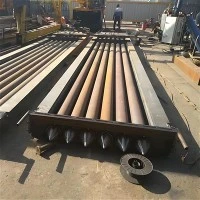
A fence post machine set up on the casting bed: two post sections form side by side in one pass.
A concrete fence post machine forms the columns that carry a precast boundary wall. Posts look like a simple square section, but they set the wall height, take the wind load and hold the panels in line - get the post wrong and the whole wall reads as out of true.
This page covers the twin-strand post machines we build from 150×150 up to 240×300 mm, the lighter four-strand column machines used for vineyard and trellis posts, the mix and reinforcement that suit them, and what to check before ordering. Every figure is from our own build sheet.
In the trade these machines are also called a grape post machine or a cement rod machine, because the same frame and drive are used for vineyard posts and trellis rods. It is the same machine with a different mould and core layout.
What a post machine does that a panel machine cannot
A panel machine forms a flat section that runs along a bed. A post machine forms a compact, deep section that has to stand on its own and take a bending load at the base. That difference drives everything about the design.
- Twin-strand forming - two posts come off one pass, so output per man-hour doubles
- Deep, stiff moulds - a post section is narrow and tall, so the mould needs to resist the mix pressure
- Cores run through the length - a hollow post cures faster and weighs less than a solid one
- Tensioned reinforcement - cold-drawn wire runs the full length and is anchored before forming
- Matching panel sections - post and panel are bought as a set so the two halves of a wall line up
The twin-strand post machines we build
These six are the machines most wall customers order. All form two posts per pass except the 240×300, which forms one. Every figure below is from the current build sheet.

Side view: the mould holds two post sections while the drive moves the machine along the bed rails.
The lighter four-strand column machines
For vineyard posts, trellis rods and light fence columns, a small four-strand machine produces more length per shift at a lower power draw. These share a JZQ250 reducer and a 4 kW main motor.

Forming position: the mould and the core tubes that leave the void running through the post.

The vibrator unit: on the post machines the bearings take 3# calcium-based grease every 150 to 200 hours.
How heavy is a post, and why it matters
Post weight decides how many you get from a bag of cement, how many a man can lift, and how deep the foundation has to be. The figures below are the practical working weights for a one-metre length of each section, taken from our own sheet.
A useful rule for planning: one 50 kg bag of cement produces roughly 14 to 16 metres of post, depending on the section and the core. Order the cement against the metres you need, not against the number of posts.

Twin-strand output: two posts form side by side and are finished and stacked together.
Matching a post machine to a panel machine
A precast wall is posts plus panels, and the two have to agree. The post section sets the wall height and the slot the panel sits in; buy the two independently and you end up shimming the panels or trimming the posts on site. The panel side comes off a wall panel machine matched to the post section.
Mix and reinforcement for post work
Post sections are deep and narrow, so they are less forgiving of a wet mix than a flat panel. Keep the mix stiff and the aggregate small, and the machine will hold the section cleanly.
- Mix cement : sand : stone at 1 : 2 : 3 - one 50 kg bag to 100 kg sand and 150 kg stone
- Washed sand or river sand, and 05 stone at 1 cm or under
- Cold-drawn wire from 2.8 to 3.5 mm for reinforced posts, placed and tensioned before forming
- A stiff, low-slump mix - a wet mix slumps the section and the cores tear
- Start the feed drive before the vibrators; reverse the order when restarting after a stop
A stop of more than about thirty minutes mid-post is the usual cause of a cold joint. If the machine has to stop for longer, clear the mix out of the mould with sand and gravel before restarting rather than trying to bond the two halves together.
Common problems on post lines
Post faults almost always trace back to the bed, the mix or the vibration - in that order. Check the bed before you touch the machine settings.
What to prepare before the machine arrives
- Power: standard 380 V / 50 Hz; other voltages built to order - confirm before the frame is made
- Foundation: a level casting bed with straight rails the machine can travel on
- Aggregate: washed sand and 05 stone at 1 cm or under, cement : sand : stone at 1 : 2 : 3
- Reinforcement: cold-drawn wire from 2.8 to 3.5 mm, cut and placed ready for the shift
- Space: room to strip, finish and stack posts, plus curing space under cover in winter
Every machine is test-run under load in our workshop before it is packed, and we send the running video for you to confirm before the container is loaded. If your local post section differs from our standard mould, send the drawing and we build the mould to it.
Frequently asked questions
What post sizes can one fence post machine make?
One machine covers one mould section at a time. The twin-strand range runs from 150 × 150 mm up to 240 × 300 mm; changing to a different section means changing the mould and the core layout, not the machine frame. Plants running one size all day keep a spare mould so the changeover does not stop the line.
How many posts does the machine form per pass?
The twin-strand machines form two posts per pass, and the 240 × 300 forms one. The lighter four-strand column machines form four posts or rods per pass at a lower power draw, which is what makes them a good fit for vineyard and trellis work.
What mix does a post machine need?
A stiff, low-slump mix, the same family used for panels and slabs: cement : sand : stone at 1 : 2 : 3, washed sand and 05 stone at 1 cm or under. A wetter mix forms faster, but the section slumps and the cores tear, so it costs more time than it saves.
How much post does one bag of cement make?
Roughly 14 to 16 metres of post per 50 kg bag, depending on the section and the core. Plan the cement order against the metres you need to produce, not against the number of posts.
Can the same machine make vineyard posts and wall posts?
Yes. The trade calls these machines grape post machines or cement rod machines because the same frame and drive are used for vineyard posts and trellis rods. What changes between uses is the mould and the core layout, not the machine itself.
Do I need a panel machine as well?
If you are building a wall, yes - posts alone do not make a wall. We build both, and matching a 150 × 150 or 180 × 240 post machine to your panel section keeps the finish and the wall details consistent.
What maintenance does the post machine need?
Grease the vibrator bearings with 3# calcium-based grease every 150 to 200 hours and fill the bearing cavity about one third full. Check the gearbox oil level every three months and change the oil yearly. Below minus 10 °C the gearbox must be warmed before the machine starts.
Can it be built for our voltage and our post section?
Yes. Standard build is 380 V / 50 Hz, and 220, 415 and 440 V are built to order. Moulds are made to the section you need - send a drawing or a sample of the post you want to match and we will build the mould to it.
Related machines on this site
- Fence column machine - the standard boundary wall post machine
- Cement column forming machine - forming columns for walls and fences
- Precast concrete column machine - columns to your section drawing
- Cement column machine - the twin-strand post range
- Automatic cement pole machine - light posts and rods
- Precast column machine - columns and lintel work
- Wall column machine - columns matched to wall panels
Technical conclusion and next step
01 · TECHNICAL CONCLUSION
Technical conclusion
A post machine is chosen by the section and the strand count, not by the motor size. Fix the post section from the wall height and wind load first, decide how many strands the output needs, then match a panel machine to it - the mix and the bed follow from those three.
02 · WHAT WE SUPPLY
What we supply
We build twin-strand fence post machines from 150 × 150 up to 240 × 300 mm, the lighter four-strand column machines for vineyard and trellis work, and the matching boundary wall panel machines. Moulds are made to your drawing, and every unit is test-run under load before shipment.
03 · NEXT STEP
Next step
Send us the post section you want to produce - a sketch, a drawing or a sample - and tell us your voltage and the post lengths you need. We will come back with the right model and a mould built to your section.
Fence post machine - twin-strand models
Lighter four-strand column machines
Post weight per metre
Hot Tags: concrete fence post making machine 150×150 to 240×300 precast column machine, China concrete fence post making machine 150×150 to 240×300 precast column machine manufacturers, factory, Cement Purlin Forming Machine, Concrete window and door lintel forming machine, domain lintel machine, installation lintel machine, long service life lintel machine, voltage lintel machine
Previous
No InformationYou Might Also Like


Send Inquiry