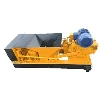


Winter starting: below minus 10 °C the gearbox has to be warmed before the machine runs, and the mix needs an anti-freeze admixture.
A precast plant does not stop for winter in most markets - it slows down, changes the mix and takes longer over the same jobs. The pieces that freeze overnight do not cure; they crack, they break on stripping, and they cost more than the day of output you tried to save.
This article covers what actually has to change below −10 °C: how to start the machines, what to put in the mix, how curing and stripping change, and the maintenance that has to be done before the winter shutdown. It is drawn from our own machine manuals and the winter practice our customers work to.
What cold actually does to a precast line
Cold does not simply slow the setting. It changes three things at once, and each one has to be handled at a different point in the line.
- Water in the mix freezes - free water in the section expands, and a frozen section cracks from the inside
- Cement hydration slows - the same mix that strips in a day in summer may need several in the cold
- Oil and grease thicken - a gearbox that turns freely at 20 °C is stiff and high-loading on the first start at −10 °C
- Steel and mould surfaces get brittle and sticky - stripping force goes up at the worst possible moment for the piece
The good news is that hydration is exothermic. A freshly cast section generates its own heat - and in winter that works in your favour, because it raises the early strength of the piece. The problem is keeping enough of that heat in the section long enough to matter.
Starting the machines below −10 °C
The machine rule is short and non-negotiable: below −10 °C the gearbox must be warmed before the machine starts. Beyond that, the servicing intervals do not change - but the consequences of missing one do.
- Warm the gearbox before starting - below minus 10 °C, do not start the drive cold
- Check the gearbox oil level every three months and change the oil once a year
- Grease the vibrator bearings with 3# calcium-based grease every 150 to 200 running hours, and fill the bearing cavity about one third full
- Change the grease in the push arms and travel wheel bearings monthly
- Oil the hopper agitator shaft every production day
A dry or stiff bearing is the classic winter failure. The vibration drops off at the edges of the section, the feed looks fine, and the first defect shows as a crumbling edge - a fault that gets blamed on the machine and is actually a greasing interval that was missed in autumn.
The mix: what changes, and what does not
The base mix does not change. Cement : sand : stone stays at 1 : 2 : 3, and the aggregate is still washed sand and 05 stone at 1 cm or under. What changes is the water and the admixture.
The anti-freeze admixture is the one precast plants reach for most, and it is the winter workhorse of the four admixture families. Dosed against the cement weight - never by eye - it keeps free water from freezing long enough for hydration to get the section to handling strength.
A word on high-heat cement: cement that generates a lot of hydration heat is not suitable for large-volume concrete, where the internal temperature can reach 50 to 60 °C and cause expansion cracking. For thin precast sections in winter, that same heat is useful - it is one more reason the mix has to be matched to the section, not copied from a site mix.

Curing in winter: the bed is covered to hold in the heat of hydration. A section that loses its heat overnight does not cure - it stays green and breaks on stripping.
Stripping, handling and short stops in the cold
Cold changes when a piece can be stripped and how it can be handled, and both of those feed back into how the bed is scheduled.
- Leave pieces longer before stripping - the mix is the same, but the cure is slower
- Hollow, cored sections release sooner than solid sections of the same weight
- Handle gently - a green piece that survived a summer lift can crack in the cold
- Keep the run moving: a stop of more than about thirty minutes mid-run is the usual cause of a cold joint, and cold weather makes the window shorter, not longer
- If a longer stop is unavoidable, clear the mould with sand and gravel before restarting rather than trying to bond new mix onto cold mix

Cored sections release sooner than solid ones - in winter that timing difference is what keeps a bed schedule viable.
The winter shutdown: what to do before the plant stops
Most winter faults are created in the last week before the plant shuts down, and discovered in the first week after it restarts. The fix is a short service before the break.
Serve the machines and the bed before the break and the first week back is a normal week. Skip it and the first week is spent chasing defects that were planted months earlier.
Frequently asked questions
At what temperature does a precast line have to stop?
It does not have to stop at a fixed temperature. What happens below −10 °C is that the gearbox must be warmed before starting, and the mix needs an anti-freeze admixture. Below that, a plant works with a slower curing schedule and covered beds rather than shutting down.
Which admixture do I use in winter?
An anti-freeze admixture - it is the one precast plants use most in winter. It is dosed against the cement weight, not by eye. An accelerator is a different product with a different job: it shortens the set so you can strip earlier, which is useful, but it does not stop free water from freezing.
Do I need to heat the mixing water?
The water must not be frozen, but hot water is not the answer - it drives the mix towards a softer, faster slump and works against the stiff, low-slump mix the machine needs. Keep the water liquid, keep the aggregate unfrozen and dry, and let the admixture do the work.
Why do pieces break when they are stripped in cold weather?
Because the cure is slower and the piece has less strength at the same age. Strip later, and remember that a cored or hollow section releases sooner than a solid one of the same weight. If pieces still break, check the mix and the aggregate temperature rather than the mould.
What is the biggest winter mistake plants make?
Shutting down without servicing. A plant that greases the vibrators, changes the gearbox oil and clears the water lines before the break starts the next season on a normal week. One that does not spends the first weeks chasing edge faults that were created in the autumn.
Does the forming speed have to change in winter?
The machine still forms at its section speed, but a cold mix is stiffer and less workable, so the feed and the vibration deserve more attention than the speed setting. If you find yourself slowing the machine to get a clean piece, the mix or the vibration is the real cause.
How do I know a piece has frozen?
It looks fine and then fails - a frozen section cracks from the inside as the free water expands, and the damage often shows after stripping. The prevention is the mix and the covering, not the inspection: keep free water from freezing in the first place.
Is winter work worth it, or should the plant close?
With an anti-freeze mix, covered beds and a slower schedule, most plants keep producing through the winter. The decision is usually commercial rather than technical - whether the output you gain is worth the slower schedule and the extra care, which depends on the demand in your market.
Related machines on this site
- Vertical mixer - mixing in cold conditions
- Concrete mixer JS500 - the winter workhorse at the head of the line
- Concrete slab machine - winter slab forming
- Hollow partition board production machine - cored sections that release sooner
- Cement column machine - post work through the winter
- Belt feed tricycle - keeping the feed even in a stiff winter mix
Technical conclusion and next step
01 · TECHNICAL CONCLUSION
Technical conclusion
Winter on a precast line is a mix problem and a service problem, not a machine problem. Warm the gearbox, dose an anti-freeze admixture, cover the bed, service everything before the shutdown - and the plant keeps producing at a slower, predictable pace.
02 · WHAT WE SUPPLY
What we supply
We build the slab, post, panel and partition machines that run through winter, and every machine ships with the greasing intervals, the gearbox checks and the starting order written down in plain terms. Every unit is test-run under load before shipment.
03 · NEXT STEP
Next step
If you are planning winter production and want to check your mix and your schedule against the machine you run, send us your section, your local cement and your expected temperatures, and we will tell you what to expect at the mould.