




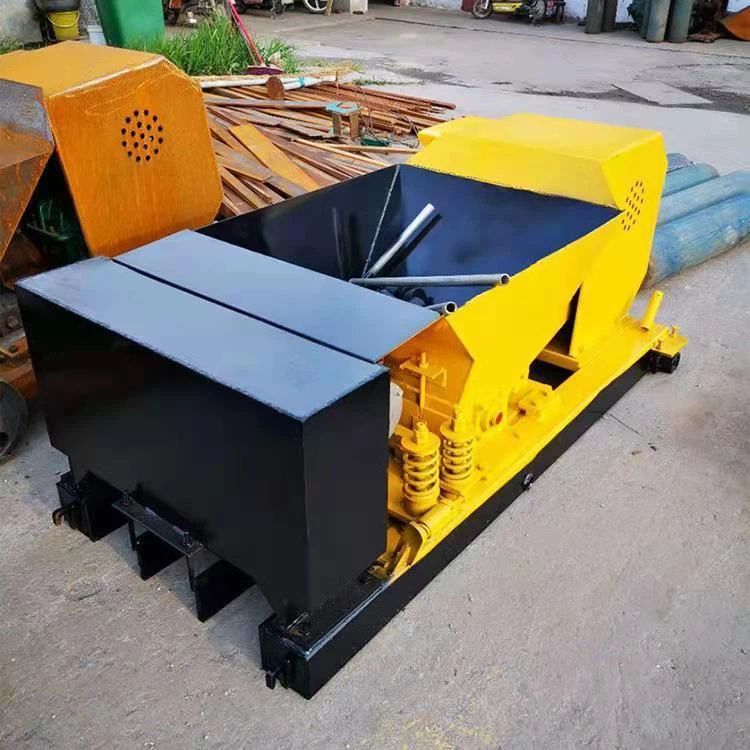
Prefabricated Die Drawing Machine
Prefabricated die drawing machine
Prefabricated die drawing machine

Prefabricated die drawing machine
Introduction to prefabricated die drawing machine
Working principle: Prefabricated die drawing machine combined with hydraulic and electronic control system, through high pressure hydraulic oil drive mold clamping material and apply pressure to achieve material drawing and forming.
Product structure: mainly includes the main engine, hydraulic system, electronic control system, mold and clamping device, all parts work together to meet the production needs.
Advantages and features:
Efficient and universal: suitable for a variety of materials, improve production efficiency.
High precision: Ensure the quality of prefabricated parts and meet engineering standards.
Easy to operate: user-friendly interface and easy to maintain design.
Application scenario: Widely used in construction, transportation, water conservancy and other fields, such as the production of wall panels, road bricks, water channel components.
Development trend: With the rise of prefabricated buildings, prefabricated die drawing machines are developing in the direction of intelligence and automation to meet market demand and promote more efficient and high-quality prefabricated production.
our products
Jining Feiyu Electromechanical Technology Co., Ltd.
Cement post machine
Cement column machine can be customized according to your needs, multiple columns are formed at the same time, saving time and cost, shortening construction period, high degree of automation, low production cost, simple and practical operation
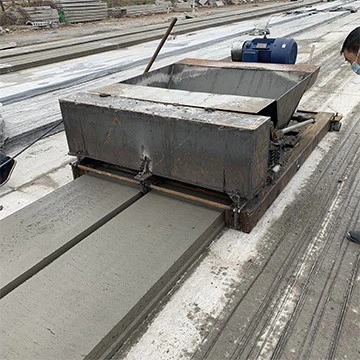
Cement floor machine
The cement floor machine produced by our company can be customized according to your needs, and the finished product can be cut according to the building requirements, which can effectively reduce labor intensity and improve production efficiency
Cement wall board machine
Cement wall plate machine support customization, compared with other ways of production efficiency can be increased by 3-5 times, low labor intensity of workers, high board speed, dense texture, plate shape, accurate size.
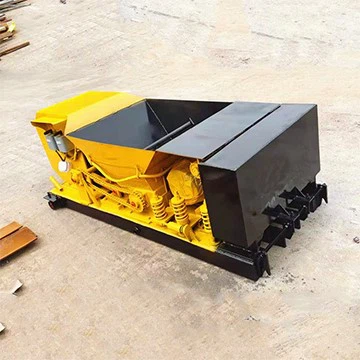
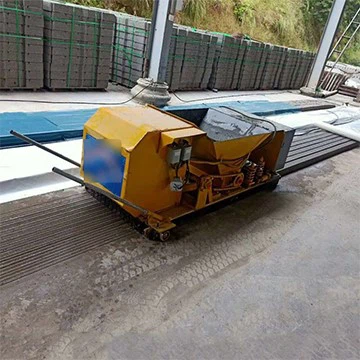
Cement purlin machine
Cement purlin machine is made of cast iron girder, high forming density, smooth forming surface, small error, automatic walking automatic forming, fast board making speed, can produce several pieces at the same time, can be customized according to your needs
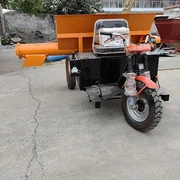
Electric three-wheel dump truck
The electric three-wheel dump truck has belt type three-wheel dump truck and winch type three-wheel dump truck, which can be customized according to your needs, the large battery can meet your production needs, and the customized cargo bucket can meet your engineering needs
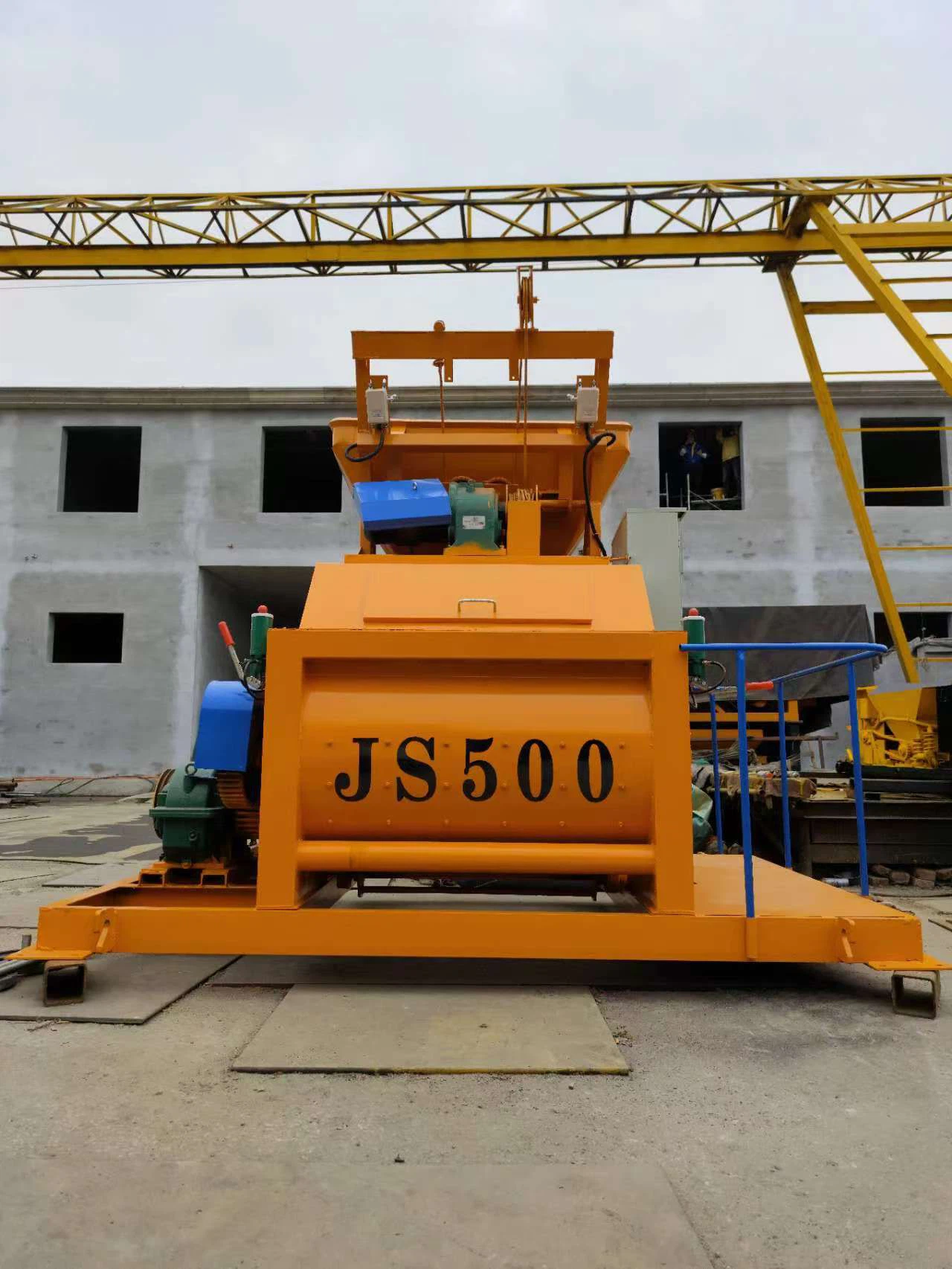
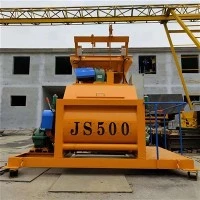
JS500 cement mixer
JS500 cement mixer, can be customized according to your needs mixing system, automatic mixing, automatic discharge, save labor and improve production efficiency, with electric three-wheel unloading truck can not stop feeding equipment
Jining Feiyu electromechanical technology Co., LTD
our advantages
Professional customized service, efficient production quality assurance, technological innovation leading edge, after-sales high efficiency received praise, the market is broad to take the lead.
our products
We specialize in the production of cement column machine, cement floor machine, cement purlin machine, cement lintel machine, automatic mixing system, electric three-wheel unloading truck...

Jining Feiyu Electromechanical Technology Co., Ltd
Professional customized service, efficient production quality assurance, technological innovation leading edge, after-sales high efficiency won praise, the market is broad to take the lead
Jining Flying Rain Mechanical & Electrical Technology Co., Ltd. specializes in producing advanced machinery, including prestressed slab, purlin, lintel & wood forming machines, light wallboard equipment, cranes (truck-mounted & crawler types), sweepers, etc. Our designs are scientific, durable, and user-friendly, ensuring fast, high-quality production with cost savings and long service life, enhancing clients' competitiveness and profitability.
We prioritize quality, service, and customer satisfaction. Rapid parts delivery, 24/7 customer support, and lifelong maintenance ensure seamless operations. Our "customer-centric" approach offers comprehensive services, with "service as the core" to deliver maximum value. Quality focus and all-round customer care are our hallmarks. High-quality products, impeccable services, and competitive pricing are our principles. We strive for excellence in every aspect, partnering with clients for mutual success based on integrity, quality, and service.
Precautions in use
What you need to pay attention to in use!
Safety check: Before operating the prefabricated die drawing machine, be sure to carry out a comprehensive safety check, including checking the hydraulic oil level, electrical connection, mold fastening and safety protection device is intact, to ensure that the equipment is in safe operation.
Material preparation: Ensure that the raw materials used meet the equipment specifications, avoid using too large, hard or irregular materials, in order to prevent damage to the mold or affect the quality of the finished product.
Operation specifications: Strictly follow the equipment operation manual to avoid equipment failure or personal injury caused by overload or improper operation. Pay special attention to the starting and stopping sequence and the position of the emergency stop button.
Mold management: Clean the mold regularly, remove residue, and keep the surface of the mold smooth to extend the service life of the mold and improve the product pass rate. When replacing the mold, make sure it is properly installed and locked.
Maintenance: Establish a regular maintenance schedule, including hydraulic oil replacement, filter cleaning, electrical system inspection, etc., to ensure that the equipment is in optimal working condition. Pay attention to record the details of each maintenance.
Environmental monitoring: The operation site should be kept dry and ventilated to avoid excessive humidity or dust accumulation affecting equipment performance and finished product quality. At the same time, pay attention to fire safety and ensure that the operation area is free of flammable items.
You may want to ask
Jining Feiyu electromechanical technology Co., LTD
Q:1.What types of preforms is the preform drawing machine suitable for production?
A:
Because of its flexibility and high efficiency, the preform drawing machine is suitable for the production of various types of preforms. The following are some types of prefabricated parts commonly produced by prefabricated die drawing machines:
Building components:
Wall panel: prefabricated wall panel for building structures such as walls and partitions.
Floor slabs: Include precast concrete floors for rapid construction of multi-storey buildings.
Stairs: Prefabricated stair components increase construction efficiency.
Columns: precast concrete columns used to support structures.
Roads and Transportation Facilities:
Pavement brick: Prefabricated pavement brick used in areas such as sidewalks, parking lots, road edges, etc.
Kerb: prefabricated decorative element at the edge of a road.
Gutter cover: prefabricated cover for road drainage systems.
Hydraulic engineering components:
Canal components: prefabricated components for irrigation systems, drainage channels and other water conservancy projects.
Pipes: Precast concrete pipes are used to transport fluids such as water and sewage.
Garden landscape components:
Flower bed border: prefabricated flower bed border used in garden landscape design.
Landscape wall: A decorative prefabricated wall used in parks, courtyards, etc.
Other industrial uses:
Prefabricated beams: prefabricated beams used in structures such as Bridges and viaducts.
Cable trench cover: prefabricated cover for underground cable trench.
The design of prefabricated drawing machine can adapt to the production needs of prefabricated parts of different shapes, sizes and materials according to different molds and process parameters. Therefore, its application range is very wide, and it can be customized according to the needs of specific projects.
Q:2.How to ensure the quality of prefabricated parts produced by the prefabricated die drawing machine?
A:
To ensure the quality of prefabricated parts produced by the prefabricated die drawing machine, you can start from the following aspects:
First, raw material selection and inspection
Cement: Select the type of cement that meets the standard, such as ordinary Portland cement, which has better working performance and is conducive to ensuring the strength and quality of the prefabricated parts. Avoid the use of slag or pozzolanic cement, as they may cause uneven appearance of prefabricated parts.
Aggregate: Fine aggregate is suitable for sand, requiring particle size less than 5mm, mud content less than 3%, hard texture, good grading, clean. The coarse aggregate should have the characteristics of skid resistance, hardness and wear resistance, the needle flake content is not more than 25%, the stone strength is not less than grade 3, and the mud content is less than 2%.
2. Mold design and maintenance
Mold design: Mold design should consider the shape, size and accuracy requirements of the component, as well as the convenience of assembling and disassembling molds. At the same time, it is necessary to ensure that the mold has sufficient bearing capacity, stiffness and stability to withstand the weight, side pressure and working load of the poured concrete.
Mold acceptance: The newly processed or modified mold should be accepted to check whether the steel surface is rusty, whether the steel plate material meets the requirements, and whether the mold size and flatness are accurate.
Mold maintenance: regularly clean the debris and residual concrete on the surface of the mold, check the wear of the mold, and timely replace the severely worn mold parts.
3. Production process control
Concrete mixing: In strict accordance with the mix ratio of concrete mixing, to ensure that the concrete mix of workability, slump and other indicators meet the requirements. The mixing time shall not be lower than the specified value to ensure that the concrete is evenly mixed.
Vibration: Vibration is a key link in the production process of prefabricated parts, and the appropriate vibration method and vibration time should be selected according to the shape and size of different components. Vibration should be uniform and dense to avoid leakage or over-vibration phenomenon.
Demoulding and maintenance: Demoulding can be carried out only when the strength of concrete reaches the specified requirements. When demoulding, avoid damaging the surface and corners of the component. After demoulding, maintenance should be carried out in time, and measures such as covering and sprinkling water should be taken to keep the concrete surface wet to reduce the generation of shrinkage cracks.
Fourth, quality inspection and monitoring
Appearance quality inspection: Check the appearance quality of the prefabricated parts, including surface flatness, color uniformity, no cracks, no bubbles, etc.
Dimensional accuracy check: Use measuring tools to check the dimensional accuracy of the prefabricated parts to ensure that they meet the design requirements.
Strength testing: Strength testing of prefabricated parts, including compressive strength, flexural strength, etc., to ensure that it meets the requirements of use.
5. Personnel training and management
Personnel training: Regular training of production personnel to improve their understanding of the production process and quality requirements of prefabricated parts. The training content includes raw material selection, mold use and maintenance, production process control, quality inspection and monitoring.
Personnel management: Establish a sound personnel management system, clear job responsibilities and work flow. Strengthen supervision and inspection in the production process to ensure that all quality control measures are effectively implemented.
In summary, through the selection and inspection of raw materials, mold design and maintenance, production process control, quality inspection and monitoring, and personnel training and management and other comprehensive measures, can ensure that the quality of prefabricated parts produced by the prefabricated die drawing machine meet the requirements.
Q:3.What do you need to pay special attention to the hydraulic system of the prefabricated die drawing machine?
A:
The hydraulic system of prefabricated die drawing machine is the core component of the equipment, and its performance directly affects the production quality and efficiency of prefabricated parts. Therefore, in the use of prefabricated die drawing machine, special attention needs to be paid to the following aspects of the hydraulic system:
First, the selection and management of hydraulic oil
Choose the right hydraulic oil: According to the working conditions and environmental requirements of the hydraulic system, choose the hydraulic oil with good lubricity, oxidation resistance and appropriate viscosity. Avoid using hydraulic fluids that do not meet specifications to avoid damage to the system.
Keep hydraulic oil clean: Check and replace hydraulic oil regularly to ensure that the oil is clean. Hydraulic fluids are filtered using precision filters to remove impurities and contaminants, preventing plug clogging and system failure.
Control hydraulic oil temperature: The hydraulic system will generate heat during operation, resulting in a high oil temperature. The temperature of the hydraulic oil should be checked regularly, and cooling measures should be taken, such as installing a cooler or using a cooling fan, to keep the oil temperature within the normal range.
2. System maintenance and inspection
Check seals regularly: Hydraulic system seals are a key component to prevent oil leakage. The status of the seal should be checked regularly and replaced in time when it is found to be worn or aged to avoid the system pressure drop and performance decline caused by leakage.
Check the pipeline connection: The pipeline connection of the hydraulic system should be firm and reliable to avoid loosening and leakage. Periodically check the tightness of pipe connections and use special tools to tighten them.
Cleaning and replacing the filter: The filter is an important part of keeping the hydraulic oil clean. Filters should be cleaned and replaced regularly to remove accumulated impurities and contaminants.
3. Operation and monitoring of the system
Avoid overload operation: ensure that the working pressure and load of the hydraulic system are within the specified range to avoid system damage caused by overload operation. During the operation, the working pressure gauge of the system should be observed and the working pressure should be adjusted in time.
Prevent air entry: air entry in the hydraulic system will lead to bubbles, affecting the stability and efficiency of the system. Check and ensure that the intake and exhaust ports of the hydraulic system are well sealed to avoid air entry.
Monitor oil temperature changes: too high an oil temperature can lead to hydraulic oil deterioration and reduced system performance. Oil temperature monitoring devices should be installed to monitor oil temperature changes in real time and take necessary cooling measures.
Fourth, failure prevention and treatment
Regular maintenance: According to the manufacturer's recommendations, regular maintenance of the hydraulic system, including cleaning, lubrication, fastening, etc., to extend the service life of the system and reduce the occurrence of failures.
Timely treatment of leakage: When the hydraulic system leaks, it should be stopped immediately to check and deal with the leak point. Avoid waste of oil and degradation of system performance due to leakage.
Establish fault records: record and analyze the failure of the hydraulic system, find out the cause of the failure and take measures to prevent it. At the same time, establish a fault warning mechanism to discover and handle potential faults in time.
To sum up, in order to ensure the normal operation of the hydraulic system of the prefabricated die drawing machine and extend its service life, special attention needs to be paid to the selection and management of hydraulic oil, the maintenance and inspection of the system, the operation and monitoring of the system, and the prevention and treatment of faults. The implementation of these measures will help to improve the production quality and efficiency of prefabricated parts.
Q:4.How to deal with emergency during operation of prefabricated die drawing machine?
A:
During the operation of the prefabricated die drawing machine, if an emergency occurs, the following measures should be taken quickly and calmly to ensure the safety of personnel and equipment:
First, stop the machine immediately
Emergency stop button: Press the emergency stop button immediately to cut off the power source of the equipment and prevent the equipment from continuing to run and cause greater harm.
Cut off power: If the emergency stop button cannot stop the device immediately, the main power switch of the device should be cut off quickly.
2. Personnel evacuation and protection
Evacuate personnel: Immediately evacuate personnel from the operation site to ensure that they are away from dangerous areas.
Personal protection: If possible, operators should wear appropriate personal protective equipment, such as hard hats, protective glasses, protective gloves, etc., to reduce potential injuries.
3. Troubleshooting and reporting
Preliminary troubleshooting: On the premise of ensuring safety, perform preliminary troubleshooting to understand the nature and cause of the fault.
Fault report: Report the fault to the device management personnel or superior leaders in a timely manner, including the time and location of the fault, fault symptoms, and measures taken.
Fourth, professional maintenance and restoration
Contact maintenance personnel: According to the fault situation, contact professional maintenance personnel or equipment manufacturers for maintenance.
Cooperate with maintenance: Before the maintenance personnel arrive at the scene, do a good job of isolating and protecting the faulty equipment to avoid the expansion of the fault or cause secondary damage.
Resume production: After the maintenance personnel eliminate the fault and confirm the safety of the equipment, the equipment can be restarted to resume production.
5. Record and summary
Record the fault: Record the process, measures, and results of the fault for subsequent analysis and improvement.
Summarize experience: Organize relevant personnel to summarize and analyze the troubleshooting process, find out the causes and lessons of the fault, and put forward improvement measures and suggestions.
6. Preventive measures
Periodic check and maintenance: Periodically check and maintain devices to discover and handle potential faults in a timely manner.
Training and education: Conduct regular safety training and equipment operation training for operators to improve their safety awareness and operation skills.
Improve the emergency plan: Formulate and improve the emergency plan according to the actual situation and potential risks of the equipment to ensure that the emergency can be quickly and effectively dealt with.
In summary, when an emergency occurs during the operation of the prefabricated die drawing machine, it should be stopped quickly, evacuated personnel, checked for faults, contacted for maintenance, recorded and summarized, and preventive measures should be taken to ensure the safety of personnel and equipment.
Q:5.How to extend the service life of prefabricated die drawing machine?
A:
In order to extend the service life of the prefabricated die drawing machine, you can start from the following aspects:
First, reasonable selection and use of equipment
Choose high-quality equipment: When buying prefabricated die drawing machine, choose equipment with reliable quality and stable performance. Priority can be given to well-known brands and manufacturers with good market reputation to ensure the durability and reliability of the equipment.
Operation according to specifications: Operators should be familiar with the instructions and operation manuals of the equipment, and follow the standardized operation process. Avoid overload operation, illegal operation and other behaviors to reduce the possibility of equipment wear and failure.
2, mold maintenance and maintenance
Clean the mold regularly: in the production process, clean the oil, dust and other impurities on the surface of the mold regularly to keep the mold clean and dry. This helps to reduce mold wear and corrosion and extend its service life.
Proper lubrication: Lubrication of the mold can reduce friction and wear. According to the recommendations of the equipment manufacturer, the appropriate lubricant is selected and lubricated according to the specified lubrication cycle.
Regular inspection of the mold: regularly check the dimensional accuracy of the mold, surface quality, etc., find problems in time to repair or replace severely worn mold parts.
3. Daily maintenance and maintenance of equipment
Keep the equipment clean: regularly clean the oil, dust and other impurities on the surface of the equipment to keep the equipment clean and tidy. This helps reduce wear and tear on the equipment and the possibility of failure.
Check fasteners: Check the fasteners of the equipment regularly, such as screws, nuts, etc., to ensure that they are fastened reliably. Avoid device vibration and wear caused by loosening.
Lubricate drive parts: Lubricate the drive parts of the equipment to reduce friction and wear. According to the recommendations of the equipment manufacturer, the appropriate lubricant is selected and lubricated according to the specified lubrication cycle.
Electrical system maintenance: regularly check the wiring, switches, motors and other components of the electrical system to ensure their normal operation. Avoid equipment downtime or damage due to electrical failure.
Good working environment and conditions
Maintain a suitable working environment: Ensure that the equipment is operating under the appropriate temperature, humidity and cleanliness conditions. Avoid damage to devices in extreme environments.
Reasonable layout and planning: Reasonably plan the working area and layout of the equipment to ensure that the equipment has enough operation space and maintenance space. Avoid interference and collision between devices.
5. Training and personnel management
Operation training: Regular equipment operation and maintenance training for operators to improve their operation skills and maintenance awareness.
Establish management system: Establish a sound equipment management system, clear job responsibilities and work flow. Strengthen the supervision and inspection of equipment use and maintenance to ensure that all maintenance and maintenance measures are effectively implemented.
In summary, through reasonable selection and use of equipment, mold maintenance and maintenance, daily maintenance and maintenance of equipment, good working environment and conditions as well as training and personnel management and other comprehensive measures, can extend the service life of prefabricated die drawing machine, improve the reliability and production efficiency of equipment.
Q:6.How to reduce energy consumption in the production process of prefabricated die drawing machine?
A:
Reducing energy consumption in the production process of prefabricated die drawing machine is the key link to improve production efficiency and reduce cost. Here are some effective strategies:
First, optimize the production process
Process route simplification: Reduce energy consumption by optimizing production processes and reducing unnecessary operating steps and waiting times. For example, simplify the mold replacement process, optimize the material handling path, etc.
Batch production line: change the scattered production mode to batch production, improve production efficiency and reduce energy consumption per unit product through assembly line operation.
2. Adopt advanced technology
Application of new processes and technologies: actively introduce and apply advanced production processes and technologies, such as automation control technology, intelligent monitoring system, etc., to improve production efficiency and energy utilization.
Use efficient equipment: Choose production equipment with low energy consumption and high efficiency, such as energy-saving motors and efficient hydraulic systems, to reduce energy consumption.
Third, reasonable adjustment of equipment parameters
Adjust the power of the device: Adjust the power of the device according to the production requirements to prevent the device from running at high power for a long time to reduce energy consumption.
Optimize the mold design: By optimizing the mold design, reduce the friction and resistance between the mold and the material, reduce energy consumption.
Fourth, strengthen equipment maintenance and management
Periodically maintain the device: Maintain the device regularly to ensure that the device is in good working condition and reduce power consumption caused by device faults.
Reasonable lubrication: The equipment is properly lubricated to reduce friction and wear and reduce energy consumption.
Establish an energy consumption monitoring system: Establish an energy consumption monitoring system to monitor the energy consumption of equipment in real time, and find and deal with abnormal energy consumption problems in time.
Fifth, improve staff awareness of energy conservation
Training and education: Regularly conduct energy-saving training and education for employees to improve their energy-saving awareness and operational skills.
Establish an energy-saving reward and punishment mechanism: Establish an energy-saving reward and punishment mechanism to reward employees with excellent energy-saving performance and punish the behavior of wasting energy to stimulate the enthusiasm of employees for energy conservation.
6. Adopt renewable energy
Solar energy utilization: If conditions permit, you can consider installing solar photovoltaic panels on the factory roof to use solar power and reduce dependence on traditional energy sources.
Waste heat recovery: The waste heat generated in the production process can be recovered and utilized, such as for heating or preheating raw materials, thereby reducing energy consumption.
In summary, by optimizing the production process, using advanced technology, reasonably adjusting equipment parameters, strengthening equipment maintenance and management, improving employee awareness of energy conservation and adopting renewable energy and other measures, the prefabricated die drawing machine can significantly reduce energy consumption and improve production efficiency and economic benefits in the production process.
Hot Tags: prefabricated die drawing machine, China prefabricated die drawing machine manufacturers, factory, Concrete window and door lintel forming machine, installation lintel machine, domain lintel machine, Window Door Lintel Mould Machinery, Cement Purlin Forming Machine, Precast Rib Beam Forming Machine,
You Might Also Like


Send Inquiry