Optimizing the energy consumption structure in an engineering plant is crucial for enhancing efficiency, reducing costs, and promoting sustainable development. As a supplier to engineering plants, I have witnessed firsthand the challenges and opportunities that come with energy management. In this blog post, I will share some practical strategies and insights on how to optimize the energy consumption structure in an engineering plant.
Understanding the Current Energy Consumption Profile
Before implementing any energy optimization measures, it is essential to have a clear understanding of the current energy consumption profile of the engineering plant. This involves conducting a comprehensive energy audit to identify the major energy-consuming processes, equipment, and systems. By analyzing the energy usage data, we can pinpoint areas of inefficiency and prioritize improvement opportunities.
For example, in a typical engineering plant, energy-intensive processes such as manufacturing, machining, and material handling often account for a significant portion of the total energy consumption. Equipment such as motors, pumps, compressors, and heaters also consume a substantial amount of energy. By understanding the energy consumption patterns of these processes and equipment, we can develop targeted strategies to reduce energy waste.
Implementing Energy-Efficient Technologies and Equipment
One of the most effective ways to optimize the energy consumption structure in an engineering plant is to implement energy-efficient technologies and equipment. This includes upgrading to high-efficiency motors, pumps, and compressors, as well as installing energy-saving lighting systems and HVAC (heating, ventilation, and air conditioning) systems.
For instance, replacing traditional incandescent bulbs with LED lighting can significantly reduce energy consumption and maintenance costs. LED lights are more energy-efficient, have a longer lifespan, and produce less heat, making them ideal for industrial applications. Similarly, upgrading to variable frequency drives (VFDs) for motors can help to match the motor speed to the actual load requirements, resulting in significant energy savings.
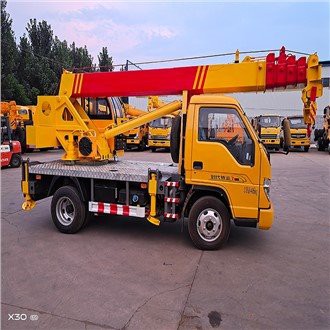
In addition to upgrading existing equipment, it is also important to consider the energy efficiency of new equipment when making purchasing decisions. Look for equipment that is certified by energy efficiency organizations such as ENERGY STAR or has a high energy efficiency rating. For example, when purchasing a 12 Tons Truck Crane, choose a model that is designed with energy-saving features such as advanced hydraulic systems and efficient engines.
Optimizing Production Processes
Another important aspect of energy optimization in an engineering plant is to optimize the production processes. This involves identifying and eliminating bottlenecks, reducing idle time, and improving the overall efficiency of the manufacturing operations.
One way to optimize production processes is to implement lean manufacturing principles. Lean manufacturing focuses on eliminating waste and improving the flow of materials and information throughout the production process. By reducing waste, such as overproduction, waiting time, and transportation, we can significantly reduce energy consumption.
For example, implementing a just-in-time (JIT) inventory management system can help to reduce the amount of inventory stored in the plant, which in turn reduces the energy required for storage and handling. Similarly, optimizing the layout of the production floor can improve the flow of materials and reduce the distance traveled by workers and equipment, resulting in energy savings.
Utilizing Renewable Energy Sources
In recent years, there has been a growing trend towards the use of renewable energy sources in engineering plants. Renewable energy sources such as solar, wind, and hydroelectric power offer a clean and sustainable alternative to traditional fossil fuels.
By installing solar panels on the roof of the engineering plant, we can generate electricity from sunlight and reduce the reliance on grid electricity. Solar power is a reliable and cost-effective energy source, especially in regions with abundant sunlight. Similarly, wind turbines can be installed in areas with strong winds to generate electricity.
In addition to solar and wind power, some engineering plants are also exploring the use of other renewable energy sources such as biomass and geothermal energy. Biomass energy can be generated from organic materials such as wood chips, agricultural waste, and landfill gas. Geothermal energy, on the other hand, is derived from the heat of the earth and can be used for heating and cooling purposes.


Implementing Energy Management Systems
To effectively monitor and control energy consumption in an engineering plant, it is important to implement an energy management system (EMS). An EMS is a software-based system that collects and analyzes energy usage data from various sources, such as meters, sensors, and equipment controllers.
By using an EMS, plant managers can gain real-time visibility into energy consumption patterns, identify areas of inefficiency, and implement corrective actions. For example, an EMS can be used to set energy consumption targets, monitor energy usage against these targets, and generate alerts when energy consumption exceeds the predefined limits.
In addition to monitoring and control, an EMS can also be used to optimize energy consumption by scheduling equipment operations, adjusting HVAC settings, and implementing load management strategies. For example, an EMS can be programmed to turn off non-essential equipment during periods of low demand or to adjust the temperature settings of the HVAC system based on the occupancy of the building.
Employee Training and Engagement
Finally, it is important to involve employees in the energy optimization process. Employees play a crucial role in implementing energy-saving measures and reducing energy waste. By providing training and education on energy conservation, we can raise awareness among employees and encourage them to adopt energy-efficient behaviors.
For example, employees can be trained on how to properly operate and maintain energy-consuming equipment, such as motors, pumps, and compressors. They can also be educated on the importance of turning off lights and equipment when not in use, and on the benefits of using natural light and ventilation whenever possible.
In addition to training, it is also important to engage employees in energy conservation initiatives. This can be done by establishing energy-saving goals, recognizing and rewarding employees for their energy-saving efforts, and creating a culture of energy conservation in the workplace.
In conclusion, optimizing the energy consumption structure in an engineering plant is a complex and challenging task, but it is also an essential one. By implementing the strategies and insights outlined in this blog post, engineering plant managers can reduce energy consumption, lower costs, and improve the environmental performance of their operations. As a supplier to engineering plants, I am committed to helping my customers achieve their energy optimization goals. If you are interested in learning more about how we can help you optimize the energy consumption structure in your engineering plant, please contact us to discuss your specific needs and requirements.
References
- DOE. (2023). Energy Management Guide for Small and Medium-Sized Manufacturing Plants. U.S. Department of Energy.
- IEA. (2023). Energy Efficiency in Industry. International Energy Agency.
- Lean Enterprise Institute. (2023). Lean Manufacturing Principles. Lean Enterprise Institute.