Transportation requirements for a tracked dumper can vary quite a bit, depending on a whole bunch of factors. As a tracked dumper supplier, I've got a fair share of experience dealing with these things, so I'm gonna share what I've learned about getting these machines from point A to point B.
Size and Weight Matter Big Time
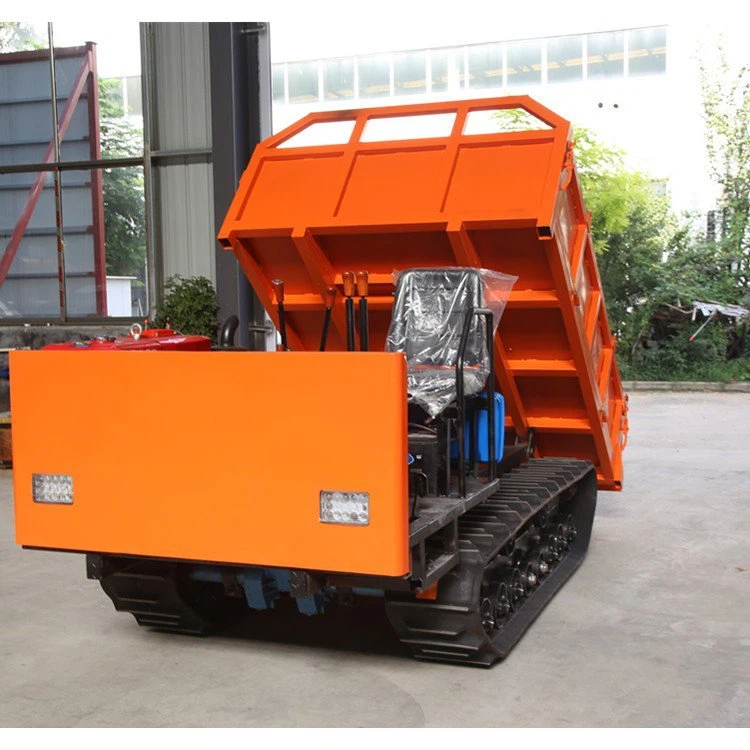
First off, the size and weight of your tracked dumper are going to be the major players in determining the right transportation method. Tracked dumpers come in all shapes and sizes, from small Mini Tracked Dumper Crawler that you can use for light - duty jobs in tight spaces, to larger, heavy - duty models.
Smaller tracked dumpers, like the ones used for garden work, such as Garden Tracked Dumper, usually weigh less and are more compact. You might be able to transport these on a small flat - bed trailer pulled by a pickup truck. This is a cost - effective and convenient option for short - distance moves or when you're delivering to a nearby customer.
On the other hand, larger tracked dumpers can be real beasts in terms of size and weight. They often require a specialized heavy - haul trucking service. These trucks are designed to handle the massive weight and dimensions of the dumper. You can't just throw a large tracked dumper on any old trailer; it needs to be properly secured and balanced to prevent any accidents during transit.
Securing the Tracked Dumper
Once you've got the right vehicle or trailer for the job, the next step is to make sure the tracked dumper is secured properly. You don't want it shifting around during transportation, which could lead to serious damage to the dumper or even cause an accident on the road.
For smaller dumpers, you can use ratchet straps to secure them to the trailer. Make sure the straps are tight and attached to sturdy points on the dumper. You should also check the tension of the straps periodically during the journey, just to be on the safe side.
For larger tracked dumpers, more heavy - duty securing methods are needed. Chains and binders are commonly used to hold the dumper in place. The chains should be attached to the trailer's anchor points and wrapped around the dumper's frame. It's crucial to follow the manufacturer's guidelines for securing the dumper to ensure maximum safety.
Permits and Regulations
Transporting a tracked dumper is not as simple as just loading it up and hitting the road. There are a bunch of permits and regulations that you need to follow.
If you're transporting a dumper that exceeds the standard size and weight limits on public roads, you'll need to obtain an over - size and over - weight permit. These permits vary from state to state and country to country, so it's important to do your research well in advance. You'll usually have to provide details about the dumper, such as its dimensions, weight, and the route you'll be taking.
In addition to size and weight permits, there may be other regulations regarding the transportation of heavy equipment. For example, some areas require that your vehicle and trailer be properly marked to indicate that you're transporting a large and heavy load. You might also need to have certain safety equipment on board, like warning signs.
Route Planning
Route planning is another crucial aspect of transporting a tracked dumper. You need to consider things like road conditions, bridges, and height restrictions.

Avoid roads with a lot of potholes or uneven surfaces, as these can cause unnecessary stress on the dumper and the transportation vehicle. Bridges are also a major concern, especially for heavy - duty tracked dumpers. Some bridges may have weight limits that your dumper exceeds, so make sure to plan a route that avoids these bridges.
Height restrictions are also something to keep in mind. Some tunnels and overpasses may not be tall enough to accommodate your loaded trailer. You can use online mapping tools to check for any height restrictions along your planned route and make adjustments as needed.
Maintenance Before Transportation
Before you load up your tracked dumper for transportation, it's a good idea to give it a quick maintenance check. This includes things like checking the tire pressure (if it has tires), fluid levels, and making sure all the moving parts are in good working condition.
You also want to make sure the dumper is clean. Dirt and debris can add extra weight and may also cause problems during transportation. A clean dumper is also easier to secure and inspect.
Special Considerations for Certain Types of Tracked Dumpers
Some tracked dumpers, like the Rotating Rubber Tracked Crawler Carrier, have unique features that require special transportation considerations. The rotating feature, for example, needs to be locked in place before transportation to prevent any unwanted movement.
Rubber tracks, compared to steel tracks, may need extra protection during transportation. You don't want the tracks to get damaged by sharp objects on the trailer or on the road. You can use track covers to protect the rubber tracks during transit.
Communication and Coordination
Finally, when you're transporting a tracked dumper, it's important to have good communication and coordination. If you're using a third - party transportation service, make sure you communicate all the details about the dumper, including its size, weight, and any special requirements.
You also need to coordinate with the customer or the destination site. Let them know when to expect the delivery and make sure they have a clear area for unloading the dumper. This will help ensure a smooth and hassle - free transportation process.
Wrapping It Up and Reaching Out
In conclusion, transporting a tracked dumper involves a lot of considerations, from size and weight to permits and route planning. As a supplier, I understand how important it is to get these machines to our customers safely and efficiently.
If you're in the market for a tracked dumper and have questions about transportation or any other aspect of our products, don't hesitate to reach out. Whether you need a small Mini Tracked Dumper Crawler for your garden or a heavy - duty model for a construction site, we've got you covered. Let's start a conversation and see how we can meet your needs.
References
- General knowledge from years of experience in the tracked dumper supply industry.
- Industry - standard guidelines for heavy equipment transportation.