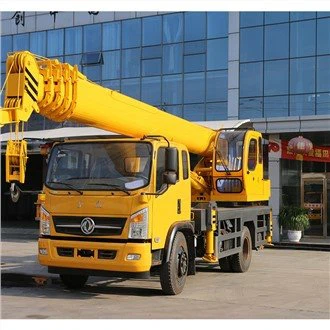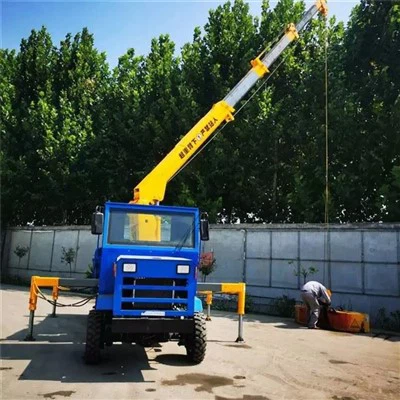
Adjusting the lifting angle of a lorry loading crane is a crucial operation that directly impacts the crane's performance, safety, and efficiency. As a leading supplier of lorry loading cranes, we understand the significance of this process and are committed to providing our customers with comprehensive guidance on how to adjust the lifting angle effectively.
Understanding the Importance of Lifting Angle
The lifting angle of a lorry loading crane refers to the angle between the boom of the crane and the horizontal plane. This angle plays a vital role in determining the crane's lifting capacity, reach, and stability. A proper lifting angle ensures that the crane can handle the load safely and efficiently, while an incorrect angle can lead to accidents, equipment damage, and even endanger the lives of operators and bystanders.


Factors Affecting the Lifting Angle
Several factors need to be considered when adjusting the lifting angle of a lorry loading crane. These factors include:
- Load Weight and Size: The weight and size of the load being lifted are the primary factors that determine the appropriate lifting angle. Heavier and larger loads require a smaller lifting angle to ensure stability and prevent the crane from tipping over.
- Crane Capacity: Each lorry loading crane has a specific lifting capacity, which is determined by its design and specifications. The lifting angle must be adjusted to ensure that the crane operates within its rated capacity.
- Working Environment: The working environment, such as the terrain, wind conditions, and available space, can also affect the lifting angle. For example, in windy conditions, a smaller lifting angle may be required to reduce the risk of the load swaying.
- Operator Skill and Experience: The skill and experience of the crane operator are crucial in determining the appropriate lifting angle. A skilled operator can make accurate judgments based on the load, crane capacity, and working environment to ensure safe and efficient operation.
Steps to Adjust the Lifting Angle
The following steps can be followed to adjust the lifting angle of a lorry loading crane:
- Inspect the Crane: Before adjusting the lifting angle, it is essential to inspect the crane to ensure that it is in good working condition. Check for any signs of damage or wear, and make sure that all safety devices are functioning properly.
- Determine the Load Requirements: Identify the weight, size, and center of gravity of the load to be lifted. This information will help you determine the appropriate lifting angle and ensure that the crane can handle the load safely.
- Position the Crane: Position the crane on a stable and level surface, and ensure that the outriggers are fully extended and locked in place. This will provide a stable base for the crane during operation.
- Adjust the Boom Length: Depending on the load requirements and the working environment, you may need to adjust the boom length of the crane. This can be done by extending or retracting the boom sections using the crane's controls.
- Set the Lifting Angle: Use the crane's controls to adjust the lifting angle of the boom. Start by raising the boom to a slightly higher angle than required, and then gradually lower it to the desired angle. Make sure to monitor the load and the crane's stability during the adjustment process.
- Verify the Lifting Angle: Once the lifting angle has been adjusted, verify that it is within the safe operating range of the crane. You can use a protractor or other measuring tools to check the angle.
- Test the Crane: Before lifting the load, perform a test lift to ensure that the crane is operating properly and that the lifting angle is correct. Lift the load a few inches off the ground and hold it for a few seconds to check for any signs of instability or movement.
- Lift the Load: Once the test lift is successful, you can proceed to lift the load to the desired height and position. Make sure to follow all safety procedures and guidelines during the lifting process.
Tips for Adjusting the Lifting Angle
- Refer to the Crane Manual: Always refer to the crane's manual for specific instructions on how to adjust the lifting angle. The manual will provide detailed information on the crane's operating procedures, safety guidelines, and maintenance requirements.
- Use the Right Tools: Use the appropriate tools and equipment to adjust the lifting angle of the crane. This may include a protractor, level, and other measuring tools.
- Monitor the Load and the Crane: Continuously monitor the load and the crane during the lifting process to ensure that the lifting angle remains within the safe operating range. If you notice any signs of instability or movement, stop the operation immediately and make the necessary adjustments.
- Seek Professional Assistance: If you are unsure how to adjust the lifting angle of the crane or if you encounter any problems during the operation, seek professional assistance from a qualified crane operator or technician.
Our Lorry Loading Crane Products
As a leading supplier of lorry loading cranes, we offer a wide range of high-quality products to meet the diverse needs of our customers. Our products include Diesel Forklift Boom Crane, Crawler Type Truck-mounted Crane, and Three-wheeled Truck Crane. These cranes are designed to provide reliable and efficient performance in various applications, including construction, logistics, and transportation.
Contact Us for Purchase and Consultation
If you are interested in purchasing a lorry loading crane or have any questions about adjusting the lifting angle, please feel free to contact us. Our team of experts will be happy to provide you with detailed information and assistance. We are committed to providing our customers with the best products and services, and we look forward to working with you.
References
- Crane Operator's Manuals
- Industry Standards and Guidelines for Lorry Loading Cranes