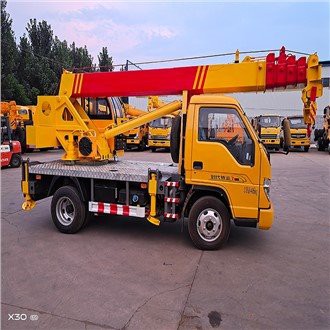
In the realm of construction and industrial operations, the choice of equipment is crucial, especially when working in noise - sensitive areas. As a supplier of spider cranes, I am often asked whether spider cranes are suitable for such environments. In this blog, we will delve into the characteristics of spider cranes and evaluate their suitability for noise - sensitive areas.
Understanding Spider Cranes
Spider cranes are a type of compact and highly maneuverable lifting equipment. They are named for their distinctive outrigger design, which resembles the legs of a spider. These cranes are known for their ability to access tight spaces and perform precise lifting tasks. Their compact size allows them to be used in areas where larger cranes cannot fit, such as indoor construction sites, narrow alleys, and areas with limited overhead clearance.
Noise Levels of Spider Cranes
One of the primary concerns when working in noise - sensitive areas is the noise generated by the equipment. Spider cranes generally have relatively low noise levels compared to other types of cranes. This is due to several factors. Firstly, many spider cranes are electrically powered. Electric motors are inherently quieter than diesel engines, which are commonly used in larger cranes. The absence of the loud combustion noises associated with diesel engines significantly reduces the overall noise output.
Secondly, the design of spider cranes is optimized for efficiency and smooth operation. The components are engineered to minimize vibrations and mechanical noise. For example, the hydraulic systems in spider cranes are designed to operate quietly, with well - lubricated parts and precise control mechanisms. This results in a more subdued noise profile during operation.
However, it is important to note that the noise level of a spider crane can still vary depending on the specific model and the load being lifted. Some larger or more powerful spider cranes may produce slightly more noise, especially when operating at full capacity. But in general, they are much quieter than traditional truck - mounted cranes or other heavy - duty lifting equipment.
Advantages of Using Spider Cranes in Noise - Sensitive Areas
- Minimal Disruption: In noise - sensitive areas such as hospitals, schools, and residential neighborhoods, minimizing noise pollution is essential. Spider cranes' low noise levels ensure that they can operate without causing significant disruption to the surrounding environment. This is particularly important in areas where quiet is required for the well - being of patients, students, or residents.
- Accessibility: As mentioned earlier, spider cranes are highly maneuverable and can access tight spaces. In noise - sensitive areas, this means that they can be used to perform lifting tasks without the need for extensive site preparation or the use of larger, noisier equipment. For example, in a historical building renovation project, a spider crane can be used to lift materials inside the building without causing excessive noise or damage to the structure.
- Precision Lifting: Spider cranes offer precise control over the lifting process. This is crucial in noise - sensitive areas where any sudden or rough movements could cause additional noise or damage. The ability to lift and place loads accurately reduces the likelihood of accidental impacts or vibrations that could generate noise.
Comparison with Other Crane Types
Let's compare spider cranes with some other common crane types in terms of noise levels and suitability for noise - sensitive areas.
- 16 Ton Truck Mounted Crane: A 16 Ton Truck Mounted Crane is a large and powerful piece of equipment. While it is capable of lifting heavy loads, it is also relatively noisy. The diesel engine of a truck - mounted crane produces a significant amount of noise, especially during startup and operation. In noise - sensitive areas, the use of a 16 - ton truck - mounted crane may not be ideal due to its high noise output.
- Diesel Three - wheeled Crane: The Diesel Three - wheeled Crane is another type of crane that uses a diesel engine. Similar to the truck - mounted crane, it generates a considerable amount of noise during operation. The compact size of the three - wheeled crane may make it more maneuverable in some situations, but its noise level remains a drawback in noise - sensitive areas.
- Small Telescopic Crawler Crane: The Small Telescopic Crawler Crane is a versatile piece of equipment. However, depending on its power source (which may be diesel), it can also produce a significant amount of noise. In comparison, spider cranes are generally quieter, making them a better choice for noise - sensitive areas.
Considerations for Using Spider Cranes in Noise - Sensitive Areas
While spider cranes have many advantages in noise - sensitive areas, there are still some considerations to keep in mind.
- Maintenance: Regular maintenance is essential to ensure that the spider crane operates quietly. A well - maintained crane will have fewer mechanical issues that could lead to increased noise levels. This includes checking and lubricating moving parts, inspecting the hydraulic system, and ensuring that the electrical components are in good working condition.
- Operator Training: Proper operator training is crucial for minimizing noise. A skilled operator can operate the crane smoothly and efficiently, reducing unnecessary noise. Operators should be trained to use the crane's controls effectively and to avoid sudden or jerky movements.
- Site Planning: Before using a spider crane in a noise - sensitive area, it is important to plan the site carefully. This includes identifying the best location for the crane to minimize noise impact on the surrounding environment. For example, placing the crane away from sensitive areas such as hospitals or schools can help reduce the noise level experienced by nearby residents.
Conclusion
In conclusion, spider cranes are generally suitable for noise - sensitive areas. Their low noise levels, combined with their high maneuverability and precision lifting capabilities, make them an ideal choice for construction and industrial operations in areas where noise pollution is a concern. However, it is important to consider factors such as maintenance, operator training, and site planning to ensure that the crane operates as quietly as possible.
If you are in need of a spider crane for a project in a noise - sensitive area, or if you have any questions about our spider crane products, please feel free to contact us for a detailed discussion. We are committed to providing high - quality spider cranes and excellent customer service to meet your specific needs.


References
- Crane Industry Handbook: A comprehensive guide to different types of cranes and their applications.
- Noise Pollution Control in Construction: Research on minimizing noise in construction sites.
- Spider Crane Manufacturer's Manuals: Technical information about the operation and maintenance of spider cranes.