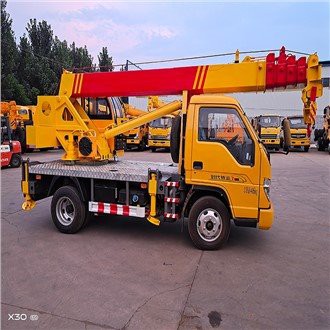
The service life of a spider crane is a topic that concerns many users and potential buyers. As a reliable spider crane supplier, I am well - versed in this area. This blog aims to provide in - depth insights into the service life of spider cranes, the factors that affect it, and steps to extend it.
Understanding the Basics of Spider Cranes' Service Life
The service life of a spider crane, in general, can vary significantly. On average, a well - maintained spider crane can serve its users effectively for about 15 to 20 years. However, this is a rough estimate, and many factors come into play that can either shorten or extend this lifespan.
Spider cranes are known for their versatility, compactness, and ability to work in tight spaces. They are widely used in construction, maintenance, and industrial applications. Their unique design, which includes outriggers that resemble a spider's legs, allows for excellent stability even on uneven ground.
Factors Affecting the Service Life of Spider Cranes
1. Usage Frequency and Intensity
One of the most significant factors influencing the service life of a spider crane is how often it is used and the intensity of its use. If a spider crane is used continuously for long hours every day in heavy - duty applications, it will experience more wear and tear compared to a crane that is used only occasionally for light - duty tasks. For instance, a spider crane used on a large - scale construction site for lifting heavy materials throughout the day will likely have a shorter service life if proper maintenance is not carried out.
2. Maintenance and Care
Proper maintenance is crucial for extending the service life of a spider crane. Regular inspections, lubrication of moving parts, timely replacement of worn - out components, and keeping the crane clean are all essential maintenance practices. Neglecting maintenance can lead to the development of serious problems over time, such as corrosion of metal parts, hydraulic leaks, and malfunctioning of the lifting mechanism. For example, if the hydraulic fluid in the crane is not changed at the recommended intervals, it can lose its effectiveness, causing excessive wear on the hydraulic pumps and cylinders.
3. Operating Conditions
The environment in which the spider crane operates also has a major impact on its service life. Harsh operating conditions, such as working in extreme temperatures (either very hot or very cold), high humidity, or in environments with a lot of dust and debris, can accelerate the deterioration of the crane's components. A spider crane used in a coastal area may be more prone to corrosion due to the salty air, while a crane operating in a desert environment may face issues related to dust infiltration into its mechanical and electrical systems.
4. Quality of Manufacturing
The quality of the materials used in manufacturing the spider crane and the manufacturing processes also affect its service life. High - quality cranes are built with better - grade steel, more precise engineering, and advanced manufacturing techniques. These cranes are more likely to withstand the rigors of use and last longer compared to cheaper, lower - quality alternatives. For example, a spider crane with a well - welded frame is less likely to develop structural cracks over time than one with poor welding.
Extending the Service Life of Spider Cranes
1. Follow a Strict Maintenance Schedule
Create and adhere to a comprehensive maintenance schedule. This should include daily pre - use checks, weekly inspections of key components, and monthly or quarterly in - depth maintenance procedures. For example, daily checks can involve looking for visible signs of damage, ensuring that all safety devices are working properly, and inspecting the outriggers for any signs of wear. Weekly inspections might involve checking the hydraulic hoses for leaks and tightening loose bolts.


2. Train Operators Properly
Well - trained operators can significantly contribute to the long - term health of a spider crane. They should be educated on proper operating procedures, including how to handle the crane safely, how to avoid overloading, and how to detect early signs of problems. For example, an operator who knows how to correctly position the crane on the work site can reduce the stress on its structure and improve its stability, which in turn can extend its service life.
3. Store the Crane Properly
When the spider crane is not in use, it should be stored in a dry, covered area. This helps protect it from the elements, reducing the risk of corrosion. If possible, the crane should be covered with a tarp to further shield it from dust and debris. Additionally, storing the crane with its outriggers retracted and in a proper position can prevent unnecessary stress on its components.
Comparison with Other Types of Cranes
In the realm of cranes, spider cranes are just one option. There are other types of cranes available in the market, such as the Tractor Platform Crane, the Hydraulic Mobile Crane, and the 8 Tons Truck Crane. Each of these cranes has its own unique features and service life characteristics.
Tractor platform cranes are often used for heavy - lifting tasks in large - scale industrial projects. They are generally built to be more robust, but their service life can also be affected by similar factors as spider cranes, such as usage frequency and maintenance. Hydraulic mobile cranes offer high mobility and are suitable for a wide range of applications. Their service life can vary depending on factors like the quality of the hydraulic system and how well they are maintained. The 8 - tons truck crane, as the name suggests, is designed for lifting heavy loads and is commonly used in construction and transportation.
Contact Us for Your Spider Crane Needs
If you are looking for a spider crane or need more information about their service life, maintenance, or any other aspect, we are here to help. We have a wide range of spider cranes suitable for different applications and budgets. Our team of experts can provide you with detailed advice and guidance to ensure that you make the right choice for your project. Whether you are a small - scale contractor or a large industrial corporation, we have the solutions to meet your needs. Contact us to start a discussion about your requirements and discover how our spider cranes can be a valuable addition to your operations.
References
- "Crane Operation and Maintenance Handbook", Industry Press, 2018
- "Engineering Principles of Crane Design", Academic Publishers, 2020
- Various industry reports and whitepapers on crane technology and service life.