In the realm of construction and heavy - lifting operations, cranes are indispensable tools. Two prominent types of cranes that often come into the spotlight are spider cranes and traditional cranes. As a spider crane supplier, I am well - versed in the differences between these two crane types, and in this blog, I will delve into their various aspects to provide a comprehensive understanding.
Structural Design
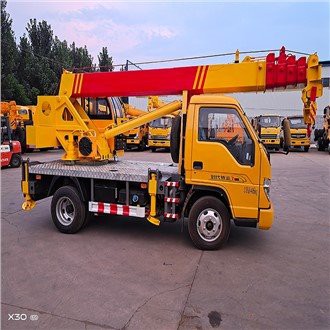
One of the most obvious differences between spider cranes and traditional cranes lies in their structural design. Traditional cranes, such as tower cranes and mobile truck cranes, usually have a massive and imposing structure. Tower cranes are known for their tall vertical masts that can reach great heights, often seen on large - scale construction sites for building high - rise buildings. Mobile truck cranes, on the other hand, are mounted on trucks, combining mobility with lifting capabilities. They have long booms that can extend horizontally and vertically to lift heavy loads over a wide area.
In contrast, spider cranes have a more compact and flexible design. They get their name from their spider - like outriggers, which provide stability. The main body of a spider crane is relatively small and can be easily transported through narrow spaces. These outriggers can be extended and adjusted according to the working environment, allowing the crane to operate on uneven or confined terrain, such as inside buildings or in backyards where traditional cranes may not fit. For example, when working on the installation of glass facades in a narrow urban alleyway, the spider crane's compact design can efficiently access the work area, while a traditional truck crane would be unable to maneuver.
Mobility
Mobility is another area where spider cranes and traditional cranes differ significantly. Traditional cranes, especially large - scale tower cranes, are often fixed in one place once installed. They require a significant amount of time and effort for setup and disassembly. Even mobile cranes, although they are mounted on trucks, need a relatively large space to turn and position, and they may require special transportation permits for long - distance travel due to their large size and heavy weight.
Spider cranes are highly mobile. They can be easily disassembled into smaller parts and transported in a van or a small truck. Their compact size allows them to move through doorways, small corridors, and other tight spaces. Once at the work site, they can be quickly assembled and ready for operation. This makes spider cranes a great choice for jobs that require frequent relocation, such as maintenance work in different parts of a large industrial complex or multiple installation projects in a residential area.
Lifting Capacity
When it comes to lifting capacity, traditional cranes generally have an edge over spider cranes. Tower cranes, for instance, are designed to lift extremely heavy loads over long distances and to great heights. They are commonly used in the construction of skyscrapers, where they can lift pre - fabricated building components weighing several tons. Mobile truck cranes also come in a wide range of lifting capacities, with some large - sized models capable of lifting hundreds of tons.
Spider cranes, while not as powerful in terms of maximum lifting capacity, are still capable of handling a variety of loads. Their lifting capacity typically ranges from a few hundred kilograms to several tons, which is sufficient for many medium - sized jobs. For example, they are often used for lifting and installing air - conditioning units, small sculptures, or for light construction tasks in confined spaces. The key advantage of spider cranes is not just their ability to lift, but their ability to do so in areas where traditional cranes cannot reach.
Cost
Cost is an important factor to consider when choosing between a spider crane and a traditional crane. Traditional cranes, especially large - scale ones, involve high initial purchase costs. Tower cranes require a significant investment in terms of equipment, installation, and foundation construction. Mobile truck cranes also come with a hefty price tag, especially for models with high lifting capacities. Additionally, the maintenance and operating costs of traditional cranes are relatively high, including fuel consumption, regular inspections, and repairs.


Spider cranes are generally more cost - effective in several ways. Their lower purchase price makes them a more accessible option for small and medium - sized businesses or contractors. They also consume less fuel due to their smaller size and more efficient design. Moreover, the ease of transportation and setup reduces the overall project - related costs. For example, if a contractor needs to carry out a series of small - scale lifting jobs in different locations, using a spider crane can save a lot of money on transportation and setup time compared to using a traditional crane.
Safety
Safety is a top priority in any crane operation. Traditional cranes have elaborate safety systems, such as anti - tipping devices, load limiters, and wind sensors. However, their large size and complex operation require well - trained and experienced operators. In some cases, the operation of traditional cranes may be restricted by adverse weather conditions, such as strong winds or heavy rain, to ensure safety.
Spider cranes also incorporate advanced safety features. Their outriggers provide excellent stability, reducing the risk of tipping over. They are also equipped with load - moment indicators to prevent overloading. The compact design of spider cranes allows operators to have better visibility of the work area, which can enhance safety. In addition, since spider cranes can operate in confined spaces, they can reduce the risk of collisions with other objects or vehicles on the construction site.
Applications
The different characteristics of spider cranes and traditional cranes lead to different application scenarios. Traditional cranes are mainly used in large - scale construction projects, such as high - rise building construction, bridge building, and large - scale industrial installation. For example, a Three - wheeled Diesel Crane is suitable for medium - scale outdoor lifting jobs and can provide relatively high lifting power and mobility on rough terrains. A Diesel Aerial Work Truck is often used for tasks that require reaching high places, such as streetlight maintenance and facade cleaning of low - rise buildings.
Spider cranes, on the other hand, are widely used in niche applications. They are popular in the installation of glass facades, as they can access narrow spaces between buildings. They are also used for indoor construction and renovation projects, such as the installation of chandeliers or the movement of heavy furniture. Mini - sized spider cranes, similar to Mini Crawler Crane, are ideal for working in extremely confined spaces, like small warehouses or historical buildings where space is limited.
Conclusion
In conclusion, both spider cranes and traditional cranes have their unique advantages and limitations. Traditional cranes offer high lifting capacity and are suitable for large - scale construction projects, while spider cranes shine in terms of mobility, flexibility, and cost - effectiveness, especially in confined spaces. As a spider crane supplier, I understand that the choice between these two types of cranes depends on the specific requirements of each project.
If you are involved in a construction, installation, or maintenance project and are considering the use of a crane, I encourage you to carefully evaluate your needs. Whether you need the high - power lifting of a traditional crane or the compact and flexible operation of a spider crane, we can provide you with detailed information and professional advice. Contact us to discuss your requirements, and we will work together to find the most suitable crane solution for your project.
References
- "Crane Engineering Handbook", Industrial Press Inc.
- Various research papers on construction equipment technology available from industry - specific journals.