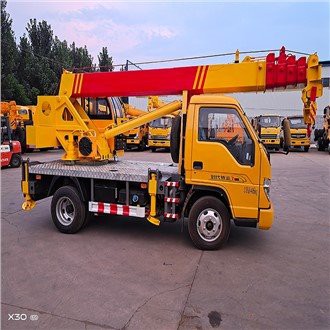
As a supplier of Hydro Cranes, I'm often asked about the inner workings of these remarkable machines, particularly their control systems. In this blog post, I'll take you through the fascinating world of how a Hydro Crane's control system operates, shedding light on its components, functionality, and the benefits it offers.
Understanding the Basics of a Hydro Crane
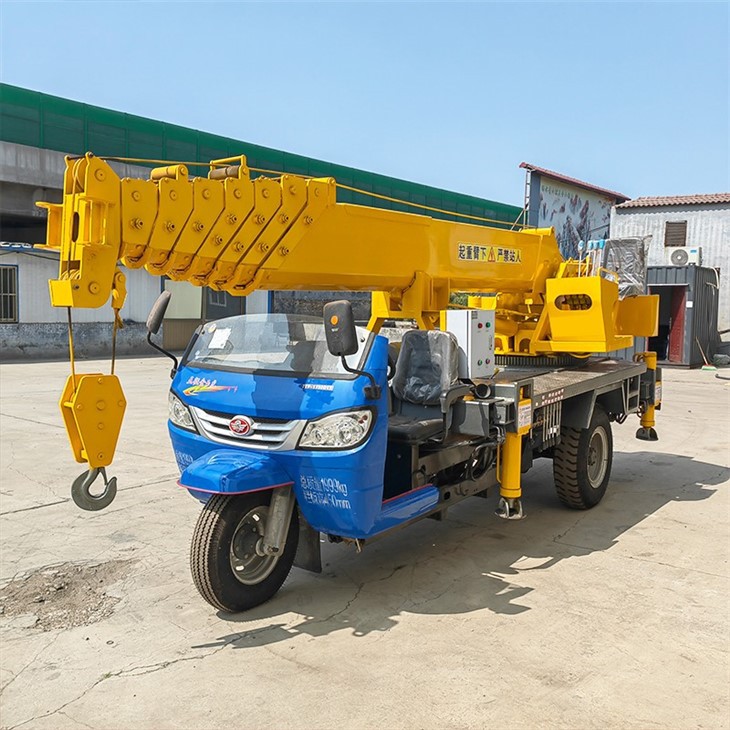
Before delving into the control system, it's essential to have a basic understanding of what a Hydro Crane is. A Hydro Crane, also known as a hydraulic crane, is a type of heavy equipment used for lifting and moving heavy loads. It utilizes hydraulic power to operate its various components, including the boom, jib, and winch.

Components of a Hydro Crane's Control System
The control system of a Hydro Crane is a complex network of components that work together to ensure precise and efficient operation. Here are the key components:
1. Control Console
The control console is the operator's interface with the crane. It typically consists of a series of levers, buttons, and switches that allow the operator to control the movement of the crane's various components. The control console is designed to be intuitive and easy to use, with clear labels and markings to indicate the function of each control.
2. Hydraulic Pump
The hydraulic pump is responsible for generating the hydraulic pressure needed to operate the crane's hydraulic cylinders. It is typically powered by an engine, such as a diesel engine, and is capable of producing high-pressure hydraulic fluid.
3. Hydraulic Cylinders
Hydraulic cylinders are used to convert the hydraulic pressure generated by the pump into mechanical force. They are used to control the movement of the crane's boom, jib, and other components. The hydraulic cylinders are designed to be strong and durable, capable of withstanding the high forces and pressures involved in lifting heavy loads.
4. Valves
Valves are used to control the flow of hydraulic fluid within the crane's hydraulic system. They are used to direct the fluid to the appropriate hydraulic cylinders and to regulate the pressure and flow rate. There are several types of valves used in a Hydro Crane's control system, including directional control valves, pressure control valves, and flow control valves.
5. Sensors
Sensors are used to monitor the operation of the crane and to provide feedback to the control system. They are used to measure various parameters, such as the position of the boom, the load being lifted, and the pressure of the hydraulic fluid. The sensors are connected to the control system and provide real-time data that allows the operator to make informed decisions about the operation of the crane.
How the Control System Works
Now that we've covered the components of a Hydro Crane's control system, let's take a closer look at how it works.
1. Operator Input
The operator starts by using the control console to input the desired movement of the crane. For example, the operator may use a lever to extend the boom or a button to lift the load. The control console sends electrical signals to the control system, indicating the operator's desired action.
2. Control System Processing
The control system receives the electrical signals from the control console and processes them to determine the appropriate action. It takes into account various factors, such as the position of the boom, the load being lifted, and the hydraulic pressure, to ensure that the crane operates safely and efficiently.
3. Hydraulic Pump Activation
Once the control system has determined the appropriate action, it sends a signal to the hydraulic pump to activate. The hydraulic pump starts to generate hydraulic pressure, which is then directed to the appropriate hydraulic cylinders through the valves.
4. Hydraulic Cylinder Movement
The hydraulic fluid flows into the hydraulic cylinders, causing them to extend or retract. This movement is used to control the position and movement of the crane's boom, jib, and other components. The control system continuously monitors the position and movement of the hydraulic cylinders to ensure that they are operating within the desired parameters.
5. Feedback and Adjustment
The sensors on the crane provide real-time feedback to the control system, allowing it to make adjustments as needed. For example, if the load being lifted is too heavy, the control system may reduce the speed of the crane or adjust the position of the boom to ensure that the load is lifted safely.
Benefits of a Hydro Crane's Control System
The control system of a Hydro Crane offers several benefits, including:
1. Precision and Control
The control system allows the operator to have precise control over the movement of the crane's components. This precision is essential for lifting and moving heavy loads safely and accurately.
2. Safety
The control system includes several safety features, such as overload protection and emergency stop buttons, to ensure the safety of the operator and the surrounding environment.
3. Efficiency
The control system is designed to optimize the operation of the crane, reducing energy consumption and increasing productivity. It allows the operator to perform tasks more quickly and efficiently, saving time and money.
4. Flexibility
The control system can be customized to meet the specific needs of the user. It can be programmed to perform a variety of tasks, such as lifting and moving heavy loads, demolishing structures, and installing equipment.
Related Crane Products
If you're interested in other types of cranes, we also offer a range of high-quality products, including the Mini Crawler Crane, Mini Lift Crane Truck, and Three-wheeled Diesel Crane. These cranes are designed to provide reliable and efficient performance in a variety of applications.
Contact Us for Procurement
If you're in the market for a Hydro Crane or any of our other crane products, we'd love to hear from you. Our team of experts can provide you with detailed information about our products, answer any questions you may have, and assist you with the procurement process. Whether you need a crane for a construction project, a mining operation, or any other application, we have the right solution for you.
References
- "Hydraulic Crane Operation Manual", Manufacturer's Documentation.
- "Introduction to Hydraulic Systems", Engineering Textbook.
- "Crane Safety Standards and Regulations", Industry Guidelines.