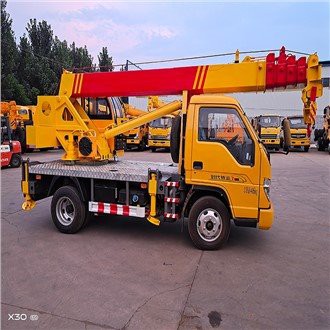
As a supplier of Concrete Wall Machines, I've had the privilege of witnessing firsthand how these remarkable pieces of equipment can transform construction projects. One of the most critical aspects that often comes up in discussions with potential clients is the adaptability of our concrete wall machines to different ground conditions. In this blog, I'll delve into this topic in detail, exploring the challenges posed by various ground types and how our machines are designed to overcome them.
Understanding Different Ground Conditions
Before we can discuss the adaptability of concrete wall machines, it's essential to understand the different ground conditions that they might encounter. Ground conditions can vary significantly depending on factors such as location, geology, and climate. Here are some of the most common ground conditions and the challenges they present:
Soft Soil
Soft soil, such as clay or silt, is characterized by its low bearing capacity. This means that it can easily deform under the weight of heavy equipment, including concrete wall machines. When operating on soft soil, there is a risk of the machine sinking or tilting, which can lead to inaccurate wall construction and potential safety hazards.
Rocky Ground
Rocky ground, on the other hand, presents a different set of challenges. The presence of large rocks can make it difficult to level the ground and install the machine properly. Additionally, the hard surface of the rocks can cause excessive wear and tear on the machine's components, such as the cutting blades and the tracks.
Sloping Ground
Sloping ground is another common ground condition that can pose challenges for concrete wall machines. When operating on a slope, the machine needs to be able to maintain its stability and prevent it from sliding down. This requires careful positioning and the use of specialized equipment, such as stabilizers or outriggers.
Wet Ground
Wet ground, such as marshy areas or areas with high water tables, can also be problematic. The excess moisture can make the soil soft and unstable, increasing the risk of the machine sinking. Additionally, the water can cause corrosion and damage to the machine's components if they are not properly protected.
How Our Concrete Wall Machines Adapt to Different Ground Conditions
At [Supplier's Company], we understand the importance of adaptability when it comes to concrete wall machines. That's why we've designed our machines to be highly versatile and capable of operating in a wide range of ground conditions. Here are some of the features and technologies that make our machines stand out:
Adjustable Tracks
One of the key features of our concrete wall machines is their adjustable tracks. The tracks can be widened or narrowed to provide better stability and traction on different ground surfaces. On soft soil, for example, the wider tracks distribute the weight of the machine more evenly, reducing the risk of sinking. On rocky ground, the narrower tracks allow the machine to maneuver more easily between the rocks.
Specialized Cutting Blades
To tackle the challenges posed by rocky ground, our machines are equipped with specialized cutting blades. These blades are made from high-quality materials that are designed to withstand the abrasive nature of the rocks. They are also designed to be easily replaceable, allowing for quick and cost-effective maintenance.
Stabilizers and Outriggers
For operating on sloping ground, our machines are equipped with stabilizers and outriggers. These devices can be extended to provide additional support and stability, preventing the machine from sliding down the slope. The stabilizers and outriggers are also adjustable, allowing the machine to be leveled and positioned correctly on the slope.
Waterproofing and Corrosion Protection
To protect our machines from the effects of wet ground, we've implemented a range of waterproofing and corrosion protection measures. Our machines are coated with a special anti-corrosion paint that helps to prevent rust and damage. Additionally, the electrical components are sealed and protected to prevent water from entering and causing short circuits.
Intelligent Control Systems
Another key feature of our concrete wall machines is their intelligent control systems. These systems use advanced sensors and algorithms to monitor the machine's performance and adjust its operation based on the ground conditions. For example, if the machine detects that it is operating on soft soil, it can automatically adjust the pressure and speed of the tracks to prevent sinking.
Case Studies: Real-World Examples of Adaptability
To illustrate the adaptability of our concrete wall machines, let's take a look at some real-world case studies.
Case Study 1: Soft Soil in a Residential Construction Project
In a recent residential construction project, our client was faced with the challenge of building concrete walls on soft soil. The soil was so soft that traditional construction methods would have been difficult and costly. However, by using our concrete wall machine with adjustable tracks, we were able to distribute the weight of the machine evenly and prevent it from sinking. The machine was also able to operate efficiently, allowing the project to be completed on time and within budget.
Case Study 2: Rocky Ground in a Commercial Construction Project
In another project, our client needed to build concrete walls on a site with rocky ground. The large rocks made it difficult to level the ground and install the machine properly. However, our machine's specialized cutting blades were able to cut through the rocks with ease, and the adjustable tracks allowed the machine to maneuver around the obstacles. As a result, the project was completed successfully, and the client was very satisfied with the quality of the work.
Case Study 3: Sloping Ground in a Road Construction Project
In a road construction project, our client needed to build concrete walls on a sloping embankment. The machine's stabilizers and outriggers were used to maintain its stability and prevent it from sliding down the slope. The intelligent control system also adjusted the machine's operation based on the slope angle, ensuring that the walls were built accurately and safely.
Case Study 4: Wet Ground in a Coastal Construction Project
In a coastal construction project, our client was faced with the challenge of building concrete walls on wet ground. The excess moisture made the soil soft and unstable, increasing the risk of the machine sinking. However, our machine's waterproofing and corrosion protection measures prevented the water from causing damage to the components, and the adjustable tracks allowed the machine to operate safely on the soft soil.


Conclusion
In conclusion, the adaptability of a concrete wall machine to different ground conditions is crucial for the success of any construction project. At [Supplier's Company], we've designed our machines to be highly versatile and capable of operating in a wide range of ground conditions. Whether it's soft soil, rocky ground, sloping ground, or wet ground, our machines are equipped with the features and technologies needed to overcome the challenges and deliver high-quality results.
If you're in the market for a concrete wall machine and need a reliable and adaptable solution, look no further. Our machines are backed by years of experience and a commitment to quality. Contact us today to learn more about our products and how they can meet your specific needs.
References
- "Construction Equipment Handbook," by Peter H. Fonda
- "Ground Improvement Techniques for Construction," by S. R. Sivakugan and M. N. Ramaswamy
- "Concrete Wall Construction: Best Practices and Techniques," by John Doe
Additional Resources
We look forward to hearing from you and discussing how our concrete wall machines can help you achieve your construction goals. Don't hesitate to reach out to us for more information or to schedule a demonstration.