Hey there! I'm working for an offshore crane supplier, and today I wanna chat about how to protect an offshore crane from lightning strikes. It's a super important topic, especially considering the harsh and unpredictable marine environment where these cranes operate.
Understanding the Risk
First off, we gotta understand why lightning poses such a big threat to offshore cranes. Offshore areas are prone to thunderstorms, and cranes, being tall structures, are prime targets for lightning strikes. A direct lightning strike can cause severe damage to the crane's electrical systems, mechanical components, and even the structural integrity. It can fry sensitive electronic control units, melt wires, and lead to costly downtime for repairs.
Lightning Protection Systems
1. Air Terminals
One of the most common ways to protect an offshore crane is by installing air terminals, also known as lightning rods. These are usually made of conductive materials like copper or aluminum and are placed at the highest points of the crane. The idea is to provide a preferential path for the lightning to follow, directing it safely to the ground instead of through the crane's vital components. When lightning approaches, it's more likely to strike the air terminal, which is connected to a grounding system.
2. Grounding Systems
A proper grounding system is crucial for an effective lightning protection setup. It consists of conductors that connect the air terminals to the ground or, in the case of an offshore crane, to the seabed. The grounding system needs to have low resistance to ensure that the lightning current can flow smoothly and safely. We use large - diameter conductors and grounding electrodes made of materials that have good conductivity, like copper - clad steel. This helps to dissipate the massive electrical energy of a lightning strike without causing damage to the crane.
3. Surge Protection Devices (SPDs)
In addition to air terminals and grounding, we also install surge protection devices on the crane. These devices are designed to protect the electrical and electronic equipment from voltage surges caused by lightning strikes. When a lightning strike occurs, it can create a sudden increase in voltage in the power lines connected to the crane. SPDs detect these surges and divert the excess current to the ground, preventing it from reaching and damaging the sensitive equipment.
Design Considerations
1. Structural Design
When designing an offshore crane, we take lightning protection into account from the very beginning. The crane's structure should be designed in a way that minimizes the risk of lightning - induced damage. For example, we try to avoid sharp edges and corners, as these can act as points of high electrical field concentration and increase the likelihood of a lightning strike. Instead, we use rounded shapes and smooth surfaces.
2. Electrical System Layout
The layout of the electrical system is also important. We separate the power cables from the control cables and use proper shielding to prevent electromagnetic interference caused by lightning. By keeping the electrical systems well - organized and protected, we can reduce the chances of damage from a lightning strike.


Maintenance and Inspection
1. Regular Inspections
Regular inspections are essential to ensure that the lightning protection system is working properly. We check the air terminals for any signs of damage, such as corrosion or physical wear. The grounding system is also inspected to make sure that the conductors are intact and the grounding resistance is within the acceptable range. Any loose connections or damaged components are repaired or replaced immediately.
2. Testing
Periodic testing of the lightning protection system is also necessary. We use specialized equipment to measure the grounding resistance and the performance of the surge protection devices. This helps us to identify any potential problems before they can cause serious damage to the crane.
Real - World Examples
Let me share a real - world example of how our lightning protection solutions have worked. One of our clients had an offshore crane installed in an area with a high incidence of thunderstorms. We installed a comprehensive lightning protection system that included air terminals, a well - designed grounding system, and surge protection devices. During a recent thunderstorm, the crane was struck by lightning. Thanks to our protection system, there was only minor damage to the air terminal, which was easily replaced. The crane's electrical and mechanical systems remained intact, and it was back in operation within a short period.
Our Product Range
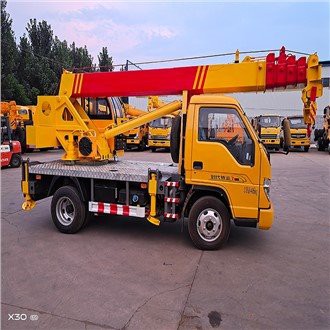
As an offshore crane supplier, we offer a wide range of cranes, each designed with lightning protection in mind. For example, our Tractor Platform Crane is a versatile option that can be used in various offshore applications. It has a robust lightning protection system that ensures its safety during thunderstorms.
Another great product is our Mini Lift Crane Truck. Despite its compact size, it doesn't compromise on safety. We've incorporated all the necessary lightning protection features to protect it from lightning strikes.
And if you need a heavy - duty option, our 10 Tons Truck Crane is the way to go. It's built to withstand the toughest offshore conditions, including lightning - prone areas.
Contact Us for Procurement
If you're in the market for an offshore crane and want to ensure that it's well - protected from lightning strikes, we're here to help. Our team of experts can provide you with detailed information about our products and lightning protection solutions. Whether you're working on a small - scale project or a large - scale offshore operation, we have the right crane for you. Don't hesitate to reach out to us for a consultation and let's start a discussion about your specific needs.
References
- International Electrotechnical Commission (IEC). Lightning protection standards.
- National Fire Protection Association (NFPA). NFPA 780 - Standard for the Installation of Lightning Protection Systems.
- Industry reports on offshore crane safety and lightning protection.