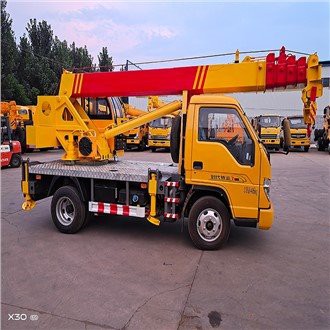
Hey there! As a supplier of truck cranes, I've seen firsthand how important it is to maintain the wire rope of these powerful machines. A well - maintained wire rope not only ensures the safe and efficient operation of your truck crane but also extends its lifespan. In this blog, I'll share some tips on how to keep your truck crane's wire rope in top - notch condition.
Understanding the Basics of Wire Rope
Before we jump into the maintenance tips, it's essential to understand what wire rope is and how it works. A wire rope is made up of multiple strands of wire twisted around a core. The core can be either fiber or steel, and the choice depends on the specific application of the crane.
The way the strands are twisted affects the rope's flexibility, strength, and resistance to wear. For instance, a laid rope with a regular twist is more flexible, while a lang - laid rope offers better fatigue resistance. Different types of truck cranes, like the Mini Crawler Crane, Three - wheeled Diesel Crane, and Tractor Platform Crane may require different types of wire ropes based on their lifting capacity and work environment.
Regular Inspections
One of the most crucial aspects of wire rope maintenance is regular inspections. You should check the wire rope before each use, especially if it's been a while since the last operation or if the crane has been exposed to harsh conditions.
-
Visual Inspection:
- Look for any signs of wear, such as broken wires, corrosion, or kinking. Broken wires can be a serious safety hazard, as they can weaken the rope and lead to failure. Corrosion can also eat away at the wire, reducing its strength. Kinks can cause uneven stress distribution, which can accelerate wear.
- Check the diameter of the wire rope. A significant reduction in diameter may indicate excessive wear. You can use a caliper to measure the diameter at several points along the rope.
- Inspect the end connections, such as the sockets and clips. Make sure they are secure and free from damage. Loose or damaged end connections can cause the wire rope to come loose during operation.
-
Functional Inspection:
- Observe the way the wire rope moves through the sheaves and drums. It should move smoothly without any binding or excessive friction. If you notice any abnormal noises or vibrations, it could be a sign of a problem.
- Check the tension of the wire rope. It should be within the manufacturer's recommended range. Too much tension can cause premature wear, while too little tension can lead to the rope slipping or jumping off the sheaves.
Proper Lubrication
Lubrication is another vital part of wire rope maintenance. A good lubricant can reduce friction between the wires, prevent corrosion, and extend the life of the rope.
- Choose the Right Lubricant:
- There are different types of lubricants available for wire ropes, such as petroleum - based, synthetic, and water - based lubricants. The choice depends on the operating conditions of the crane. For example, in a high - temperature environment, a synthetic lubricant may be more suitable, as it can withstand higher temperatures without breaking down.
- Apply the Lubricant Correctly:
- Make sure the wire rope is clean before applying the lubricant. You can use a wire brush or a solvent to remove any dirt, debris, or old lubricant.
- Apply the lubricant evenly along the entire length of the wire rope. You can use a brush, a spray gun, or a lubrication system. Make sure to get the lubricant into the spaces between the strands and wires.
- Don't over - lubricate the wire rope. Excess lubricant can attract dirt and debris, which can cause more wear.
Correct Storage
Proper storage of the wire rope when the crane is not in use is also important.
- Keep it Clean and Dry:
- Store the wire rope in a clean, dry place. Moisture can cause corrosion, so it's important to protect the rope from rain and humidity. If the rope gets wet, dry it thoroughly before storing it.
- Avoid Kinking and Tangling:
- Coil the wire rope properly and store it in a way that prevents kinking and tangling. You can use a spool or a rack to keep the rope organized.
- If you need to transport the wire rope, make sure it is secured properly to prevent damage.
Handling and Operation
How you handle and operate the truck crane can also have a big impact on the lifespan of the wire rope.
- Avoid Overloading:
- Always operate the crane within its rated capacity. Overloading the crane puts excessive stress on the wire rope, which can cause premature wear and failure.
- Use the Correct Sheaves and Drums:
- Make sure the sheave and drum diameters are appropriate for the wire rope. Using the wrong size can cause excessive bending and wear on the rope.
- Be Careful During Lifting and Lowering:
- When lifting and lowering loads, avoid sudden starts and stops. Smooth and gradual movements reduce stress on the wire rope. Also, make sure the load is balanced to prevent uneven stress on the rope.
Replace When Necessary
Even with proper maintenance, wire ropes will eventually wear out and need to be replaced. Knowing when to replace the wire rope is crucial for safety.
- Follow Manufacturer's Guidelines:
- The manufacturer usually provides guidelines on the maximum allowable wear and the replacement interval for the wire rope. Follow these guidelines closely.
- Look for Warning Signs:
- If you notice a significant amount of broken wires, excessive wear, or other signs of damage during inspection, it's time to replace the wire rope. Don't wait until it fails, as this can be extremely dangerous.
By following these maintenance tips, you can keep the wire rope of your truck crane in good condition and ensure the safe and reliable operation of your equipment. Whether you're using a Mini Crawler Crane, Three - wheeled Diesel Crane, or Tractor Platform Crane, taking care of the wire rope is a must.


If you're looking to purchase a truck crane or need more information about wire rope maintenance, don't hesitate to reach out. We're here to help you make the right choices for your business.
References
- Crane Maintenance Handbook: A Comprehensive Guide to Keeping Your Equipment in Top Shape
- Wire Rope Manufacturer's Technical Manuals