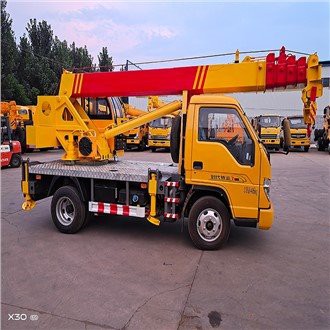
Hey there! As a supplier of hydraulic mobile cranes, I often get asked about the noise level of these machines during operation. It's a valid concern, especially if you're working in a noise - sensitive area or just want to know what to expect. So, let's dig into it.
Understanding Noise Levels
First off, what exactly do we mean by noise level? Noise is measured in decibels (dB). A whisper might be around 30 dB, normal conversation is about 60 dB, and a lawnmower can hit around 90 dB. The higher the decibel level, the louder the noise. And when it comes to hydraulic mobile cranes, the noise level can vary quite a bit depending on several factors.
Factors Affecting Noise Levels
1. Engine Type
Most hydraulic mobile cranes are powered by diesel engines. Diesel engines are known for being a bit noisier than gasoline engines. The combustion process in a diesel engine is more forceful, which creates more vibrations and, in turn, more noise. But modern diesel engines have come a long way in terms of noise reduction. They're equipped with better mufflers and sound - insulating materials. For example, our Diesel Three - wheel Truck Crane uses advanced engine technology to keep the noise down as much as possible while still delivering high performance.
2. Crane Size
Bigger cranes generally make more noise. Larger cranes have more powerful engines and bigger hydraulic systems. The hydraulic pumps in larger cranes have to work harder to move heavier loads, which can generate more noise. A small, three - wheeled crane like our Three - wheeled Diesel Crane is likely to be quieter than a large Truck Mounted Crane because it has a smaller engine and less complex hydraulic setup.
3. Load and Operation
The amount of load the crane is carrying and the type of operation it's performing also affect the noise level. Lifting a heavy load requires more power from the engine and hydraulic system, which can increase the noise. Also, rapid movements, like quick hoisting or swinging, can make more noise compared to slow, steady operations. When the crane is idling, it's obviously going to be quieter than when it's actively lifting and moving loads.
Typical Noise Levels
On average, a hydraulic mobile crane during operation can produce noise levels ranging from 70 dB to 95 dB. At the lower end of the scale, around 70 dB, it's like the noise level of a busy office. At the higher end, 95 dB, it's comparable to the noise of a motorcycle passing by.
For smaller cranes used in light - duty applications, the noise level is usually closer to the 70 - 80 dB range. These cranes are often used in urban areas where noise restrictions might be in place. Larger cranes used for heavy - duty construction projects can reach up to 95 dB, especially when they're working at full capacity.
Noise Reduction Measures
We understand that noise can be an issue, so we've taken several steps to reduce the noise levels of our hydraulic mobile cranes.
1. Soundproofing
We use high - quality sound - insulating materials in the engine compartment and around the hydraulic components. These materials absorb and dampen the noise, preventing it from spreading. The cabins of our cranes are also well - insulated, so the operator doesn't have to deal with excessive noise while working.
2. Engine Tuning
Our engineers carefully tune the engines to optimize performance and reduce noise. By adjusting the fuel injection timing and other engine parameters, we can make the engine run more smoothly and quietly.
3. Hydraulic System Design
The hydraulic systems in our cranes are designed to minimize noise. We use advanced valve technology and smooth - flowing hoses to reduce the pressure fluctuations and vibrations that can cause noise.
Why Noise Matters
You might be wondering why it's such a big deal. Well, there are a few reasons.
1. Worker Safety
Exposure to high noise levels for long periods can cause hearing damage. By reducing the noise level of our cranes, we're helping to protect the hearing of our operators and workers on the job site.
2. Community Relations
If you're working in a residential area or near a school or hospital, excessive noise can be a nuisance to the community. Keeping the noise down helps to maintain good relations with the local community and avoid any potential complaints.
3. Compliance
Many areas have noise regulations in place. By ensuring that our cranes meet these noise standards, we're helping our customers avoid any legal issues and fines.


Conclusion
So, there you have it. The noise level of a hydraulic mobile crane during operation can vary depending on engine type, crane size, load, and operation. But with the right design and noise - reduction measures, we're able to keep the noise levels within acceptable ranges.
If you're in the market for a hydraulic mobile crane and want to know more about the noise levels or any other features, don't hesitate to reach out. We're here to help you find the perfect crane for your needs. Whether you need a small, quiet crane for urban work or a large, powerful one for heavy - duty construction, we've got you covered. Let's have a chat and see how we can work together to get the job done right.
References
- "Noise Control in Construction Equipment", Construction Machinery Handbook
- "Diesel Engine Noise Reduction Techniques", Automotive Engineering Journal