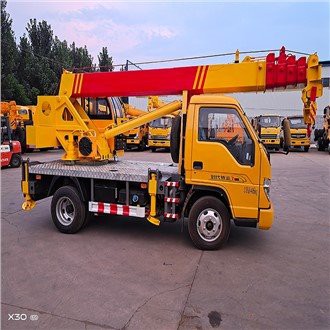
As a supplier of Rough Terrain Cranes, I understand the paramount importance of safety standards in the operation of these powerful machines. Rough Terrain Cranes are designed to work in challenging environments, and ensuring their safe use is not only a legal requirement but also a moral obligation. In this blog, I will delve into the key crane - related safety standards for Rough Terrain Cranes.
Pre - operation Safety Standards
Inspection and Maintenance
Before each use, a thorough inspection of the Rough Terrain Crane is essential. This includes checking the mechanical components such as the boom, cables, and hydraulic systems. The boom should be inspected for any signs of cracks, bends, or wear. The cables need to be examined for fraying, corrosion, or any other damage. Hydraulic systems should be checked for leaks, proper pressure, and the functionality of valves.
Regular maintenance is also crucial. The crane should be serviced according to the manufacturer's recommendations. This includes oil changes, filter replacements, and calibration of safety devices. By adhering to a strict maintenance schedule, we can prevent potential breakdowns and ensure the long - term reliability of the crane. For more information on crane models, you can check out our 16 Ton Truck Mounted Crane and 10 Tons Truck Crane.
Operator Training
The operator of a Rough Terrain Crane must be properly trained and certified. Training programs should cover all aspects of crane operation, including pre - operation checks, load handling, and emergency procedures. Operators should be familiar with the crane's controls, safety devices, and limitations.
They should also be trained in risk assessment, such as identifying potential hazards in the work area, including unstable ground, overhead power lines, and other obstacles. A well - trained operator can significantly reduce the risk of accidents and ensure the safe operation of the crane.
Site Assessment
Before bringing the Rough Terrain Crane to a job site, a detailed site assessment should be conducted. The ground conditions need to be evaluated to ensure they can support the weight of the crane and the load. Soft or uneven ground can cause the crane to tip over, so appropriate measures such as using outriggers or stabilizing mats may be required.
The work area should also be free from any potential hazards. Overhead power lines pose a significant risk, and proper clearance distances must be maintained. Other obstacles, such as buildings, trees, or other equipment, should be identified and accounted for during the operation.


Operational Safety Standards
Load Capacity
One of the most critical safety standards is respecting the crane's load capacity. Each Rough Terrain Crane has a specified maximum load capacity, which is determined by factors such as the length of the boom, the angle of the boom, and the configuration of the crane.
Operators must never exceed the rated load capacity. Overloading the crane can lead to structural failure, cable breakage, or tip - over, resulting in serious accidents. Load charts provided by the manufacturer should be consulted before each lift to ensure the load is within the safe operating range.
Rigging and Lifting
Proper rigging techniques are essential for safe lifting operations. The rigging equipment, such as slings, hooks, and shackles, must be in good condition and rated for the load being lifted. The load should be properly balanced and secured to prevent it from shifting during the lift.
The angle of the slings is also important. Incorrect sling angles can increase the stress on the rigging and the crane, leading to failure. Operators should be trained in proper rigging procedures to ensure the safe transfer of the load. If you are interested in additional lifting equipment, our Forklift Boom can be a useful addition.
Communication
Effective communication is vital during crane operations. There should be clear communication between the operator, signalers, and other workers on the site. Signalers should be trained in standard hand signals or use approved communication devices to convey instructions to the operator.
This ensures that the operator is aware of the load's position, movement, and any potential hazards. In addition, all workers in the vicinity of the crane should be aware of the operation and follow the safety procedures.
Post - operation Safety Standards
Shutdown and Securing
After the crane operation is completed, proper shutdown procedures should be followed. The boom should be lowered to a safe position, and all controls should be returned to the neutral position. The power should be turned off, and any hydraulic systems should be depressurized.
The crane should also be secured to prevent unauthorized access or movement. This may include locking the cab, securing the outriggers, and storing the rigging equipment properly.
Inspection and Reporting
A post - operation inspection should be conducted to check for any damage or issues that may have occurred during the operation. Any problems found should be reported immediately, and necessary repairs or maintenance should be carried out.
Documentation of the operation, including load weights, lift angles, and any incidents or near - misses, should be maintained. This information can be used for future reference, safety analysis, and compliance with regulatory requirements.
Regulatory and Industry Standards
OSHA Standards
In the United States, the Occupational Safety and Health Administration (OSHA) has established strict regulations for crane safety. These standards cover all aspects of crane operation, from operator training and certification to equipment inspection and maintenance.
OSHA requires that cranes be inspected regularly, operators be properly trained and certified, and safety devices be in good working condition. Failure to comply with OSHA standards can result in significant fines and legal consequences.
ISO Standards
Internationally, the International Organization for Standardization (ISO) has developed a series of standards for cranes. These standards provide guidelines for design, manufacturing, operation, and maintenance of cranes, ensuring a high level of safety and quality across the industry.
Adhering to ISO standards not only improves safety but also enhances the reputation of the crane supplier and the end - user.
Conclusion
Safety standards for Rough Terrain Cranes are comprehensive and cover every aspect of the crane's lifecycle, from pre - operation checks to post - operation maintenance. As a supplier, we are committed to providing high - quality cranes that meet or exceed all relevant safety standards.
By following these safety standards, operators can minimize the risk of accidents, protect the lives of workers, and ensure the efficient and reliable operation of the crane. If you are in the market for a Rough Terrain Crane or have any questions about our products and safety standards, please feel free to contact us for procurement and further discussion.
References
- Occupational Safety and Health Administration (OSHA). Crane and Derrick Standards.
- International Organization for Standardization (ISO). Crane - related Standards.
- Manufacturer's Manuals for Rough Terrain Cranes.