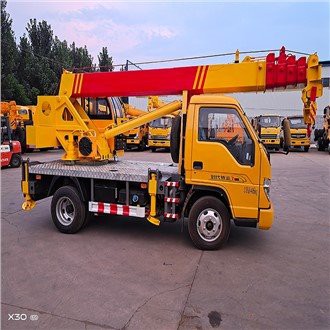
Storing a rough terrain crane properly when it's not in use is super important. As a rough terrain crane supplier, I've seen firsthand how the right storage can extend the crane's lifespan and keep it in top - notch condition. In this blog, I'll share some key tips on how to store your rough terrain crane effectively.
First off, let's talk about the location. You need to find a suitable spot to park your crane. A dry, well - ventilated area is ideal. Moisture is the enemy of heavy machinery like rough terrain cranes. It can lead to rusting of metal parts, which can seriously compromise the crane's structural integrity. If possible, choose an indoor storage facility. Indoor storage protects the crane from the elements, such as rain, snow, and extreme sunlight. However, if indoor storage isn't an option, you can use a high - quality waterproof cover. Make sure the cover fits the crane properly to prevent water from seeping in.
Another thing to consider about the location is the ground. The ground should be level and stable. An uneven surface can put stress on the crane's frame and axles over time. If the crane is parked on soft or unstable ground, it might start to sink, which can cause damage to the undercarriage. Before parking the crane, check the ground for any signs of weakness or instability. You might need to use mats or cribbing to distribute the weight evenly and prevent the crane from sinking.
Now, let's move on to the pre - storage preparation. Before you park the crane for an extended period, you should perform a thorough inspection. Check for any leaks, loose parts, or signs of wear and tear. Fix any minor issues right away. For example, if you notice a small hydraulic leak, get it repaired before storing the crane. This can prevent further damage and make sure the crane is ready to go when you need it again.
You also need to clean the crane. Remove any dirt, debris, and mud from the crane's body, especially from hard - to - reach areas. Dirt can hold moisture against the metal, accelerating the rusting process. Use a pressure washer or a hose to clean the crane, and then dry it thoroughly. Pay special attention to the electrical components. Make sure they are clean and dry to avoid short - circuits.
The fuel system is another crucial part to take care of. If the crane is going to be stored for a long time, you should add a fuel stabilizer to the fuel tank. Fuel can break down over time, especially in cold or humid conditions. A fuel stabilizer helps prevent the fuel from oxidizing and forming gums and varnishes that can clog the fuel injectors and other components. You might also want to drain the fuel tank if you're planning to store the crane for an extended period. This can prevent any potential issues with the fuel system.
The battery is an important consideration as well. If the crane is going to be idle for a long time, disconnect the battery. Batteries can self - discharge over time, and if they are left connected, they might drain completely and become damaged. Store the battery in a cool, dry place and charge it periodically to keep it in good condition.


When it comes to the crane's mechanical components, you need to lubricate them properly. Lubrication helps prevent corrosion and reduces friction between moving parts. Apply grease to all the grease points, such as the boom joints, pins, and bearings. This can keep the components in good working order and make sure they don't seize up during storage.
Let's not forget about the tires. The tires of a rough terrain crane are expensive and important for the crane's mobility. Before storing the crane, check the tire pressure and make sure it's at the recommended level. If the tires are under - inflated, they can develop flat spots over time. You might also want to use tire covers to protect the tires from UV rays and other environmental factors.
If you're looking to enhance your crane's functionality, you might be interested in some additional equipment. For example, a Forklift Boom can add versatility to your crane, allowing you to handle different types of loads. A Truck - mounted Crane Track can improve the crane's stability and mobility on certain terrains. And if you need a more powerful option, the 16 Ton Truck Mounted Crane might be just what you're looking for.
After you've parked the crane, it's a good idea to perform some periodic checks during the storage period. Even if the crane is stored in a seemingly safe place, things can still go wrong. Check the crane every few weeks to make sure there are no signs of damage or deterioration. Look for any new leaks, rust spots, or other issues. If you notice anything, take action immediately.
When it's time to bring the crane back into service, you should perform another inspection. Check all the systems, including the hydraulic system, electrical system, and mechanical components. Start the engine and let it run for a while to warm up the components. Make sure all the functions are working properly before you start using the crane for any heavy - duty tasks.
In conclusion, proper storage of a rough terrain crane is essential for its longevity and performance. By following these tips, you can make sure your crane stays in great condition even when it's not in use. If you're in the market for a rough terrain crane or any related equipment, I'd love to have a chat with you. Whether you have questions about storage, maintenance, or just want to explore your options, don't hesitate to reach out. I'm here to help you make the best choices for your business.
References
- Crane Manufacturer's Manuals
- Industry Best Practices for Heavy Equipment Storage
- Professional Crane Maintenance Guides