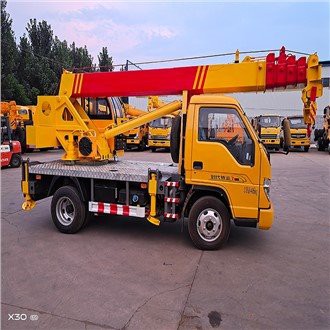
As a trusted supplier of small truck cranes, I understand the importance of maintaining these powerful machines to ensure optimal performance and safety. One critical aspect of small truck crane maintenance is the replacement of hydraulic hoses. Hydraulic hoses play a vital role in the crane's operation, transmitting hydraulic fluid to power various components such as the boom, winch, and outriggers. Over time, these hoses can wear out, develop leaks, or become damaged, necessitating replacement. In this blog post, I will guide you through the process of replacing the hydraulic hoses of a small truck crane, providing step-by-step instructions and valuable tips to help you complete the task safely and efficiently.
Step 1: Gather the Necessary Tools and Materials
Before you begin replacing the hydraulic hoses, it is essential to gather all the necessary tools and materials. Here is a list of items you will likely need:
- Replacement hydraulic hoses (ensure they are the correct size and specifications for your small truck crane)
- Wrenches (various sizes to fit the hose fittings)
- Pliers
- Safety glasses
- Gloves
- A drain pan to collect any spilled hydraulic fluid
- A wire brush to clean the hose fittings
- A torque wrench to ensure proper tightening of the fittings
- Hydraulic fluid to refill the system
Step 2: Prepare the Crane for Hose Replacement
Safety should always be your top priority when working on a small truck crane. Before starting any maintenance work, make sure the crane is parked on a level surface and the engine is turned off. Engage the parking brake and chock the wheels to prevent the crane from moving. If the crane has any hydraulic pressure, relieve it by operating the controls slowly to lower the boom and any other components to their lowest positions.
Step 3: Locate the Hydraulic Hoses
Once the crane is properly prepared, locate the hydraulic hoses that need to be replaced. Hydraulic hoses are typically labeled or color-coded to make identification easier. Refer to the crane's operator manual or hydraulic system diagram to identify the specific hoses that require replacement. Pay attention to the routing of the hoses and any clamps or brackets that hold them in place.


Step 4: Drain the Hydraulic Fluid
Before removing the old hydraulic hoses, you need to drain the hydraulic fluid from the system. Place a drain pan under the hose connections to catch any fluid that may spill. Use a wrench to loosen the hose fittings, starting with the ones closest to the hydraulic components. Be careful not to let the fluid splash on your skin or clothing. As the fluid drains, you may need to use a pair of pliers to hold the fitting steady while you turn the wrench. Once the fluid has drained completely, clean the area around the hose connections with a wire brush to remove any dirt or debris.
Step 5: Remove the Old Hydraulic Hoses
With the hydraulic fluid drained and the area clean, you can now remove the old hydraulic hoses. Use a wrench to loosen the hose fittings at both ends of the hose. Some hoses may have additional clamps or fasteners that need to be removed before the hose can be detached. Once the fittings are loose, carefully pull the hose out of the system, taking note of its routing and any bends or curves. If the hose is stuck, you may need to use a pair of pliers to gently wiggle it free.
Step 6: Install the New Hydraulic Hoses
Before installing the new hydraulic hoses, make sure they are the correct size and specifications for your small truck crane. Inspect the hoses for any damage or defects, and ensure that the fittings are properly attached. Carefully route the new hoses through the same path as the old ones, making sure to avoid any sharp edges or pinch points. Use the clamps or brackets to secure the hoses in place, and make sure they are not twisted or kinked.
Step 7: Connect the New Hydraulic Hoses
Once the new hydraulic hoses are in place, it's time to connect them to the hydraulic system. Use a wrench to tighten the hose fittings at both ends of the hose, making sure to apply the correct amount of torque. Refer to the crane's operator manual or hydraulic system diagram for the recommended torque specifications. Over-tightening the fittings can cause damage to the hoses or the hydraulic components, while under-tightening can lead to leaks. Use a torque wrench to ensure that the fittings are tightened to the correct specifications.
Step 8: Refill the Hydraulic System
After the new hydraulic hoses are connected, you need to refill the hydraulic system with fresh hydraulic fluid. Refer to the crane's operator manual for the recommended type and amount of hydraulic fluid. Use a funnel to pour the fluid into the reservoir, and make sure to check the fluid level regularly as you fill the system. Once the system is filled, start the crane and operate the controls to circulate the fluid through the system. Check for any leaks around the hose connections and make any necessary adjustments.
Step 9: Test the Crane
Once the hydraulic system is filled and the hoses are connected, it's time to test the crane to ensure that everything is working properly. Start the crane and operate the controls to raise and lower the boom, extend and retract the outriggers, and operate the winch. Check for any signs of leaks, unusual noises, or vibrations. If you notice any problems, stop the crane immediately and investigate the cause.
Step 10: Conduct a Final Inspection
After testing the crane, conduct a final inspection to ensure that everything is in good working condition. Check the hose connections for any signs of leaks or looseness, and make sure that the hoses are properly secured and routed. Inspect the hydraulic system for any other signs of damage or wear, and make any necessary repairs or replacements.
By following these steps, you can replace the hydraulic hoses of your small truck crane safely and efficiently. However, if you are unsure about any aspect of the process, it is always recommended to consult a professional technician or mechanic. At [Supplier name], we offer a wide range of [products], including 25 Ton Truck Crane, Truck-mounted Crane Track, and Diesel Four Does Not Look Like A Truck Crane. Our experienced team of technicians can provide you with expert advice and assistance on all aspects of small truck crane maintenance and repair.
If you are in the market for a new small truck crane or need to replace your existing hydraulic hoses, we invite you to contact us to discuss your needs. Our sales team will be happy to provide you with a detailed quote and answer any questions you may have. We look forward to the opportunity to serve you and help you keep your small truck crane in top condition.
References
- Small Truck Crane Operator Manual
- Hydraulic System Diagram
- Industry Standards and Best Practices for Hydraulic Hose Replacement