

Preventing corrosion on a tracked dumper is crucial for maintaining its performance, longevity, and overall value. As a tracked dumper supplier, I understand the significance of providing customers with effective strategies to combat corrosion. In this blog post, I will share some practical tips and best practices to help you prevent corrosion on your tracked dumper.
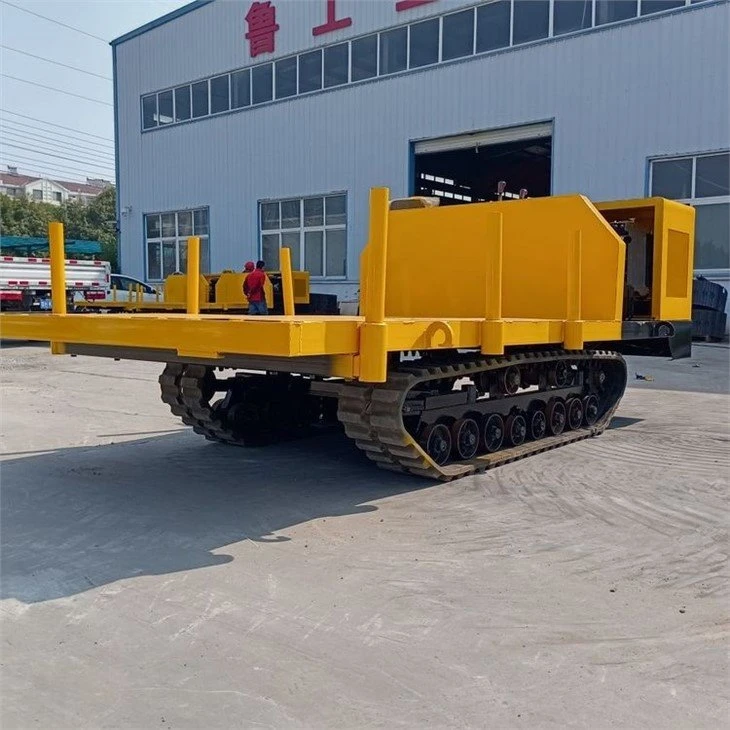

Understanding the Causes of Corrosion
Before delving into prevention methods, it's essential to understand the factors that contribute to corrosion in tracked dumpers. Corrosion is a natural process that occurs when metal reacts with oxygen and moisture in the environment. In the case of tracked dumpers, several factors can accelerate this process:
- Exposure to Moisture: Tracked dumpers often operate in wet or humid conditions, such as construction sites, mines, and agricultural fields. Moisture can accumulate on the surface of the dumper, leading to the formation of rust.
- Contact with Chemicals: Dumpers may come into contact with various chemicals, including fertilizers, pesticides, and cleaning agents. These chemicals can react with the metal surface and cause corrosion.
- Abrasion and Wear: The continuous movement of the tracks and the dumping mechanism can cause abrasion and wear on the metal surface. This exposes the underlying metal to the environment, making it more susceptible to corrosion.
- Poor Maintenance: Neglecting regular maintenance, such as cleaning, lubrication, and inspection, can also contribute to corrosion. Dirt, debris, and salt can accumulate on the dumper, creating a breeding ground for rust.
Preventive Measures
Now that we understand the causes of corrosion, let's explore some preventive measures that can help you protect your tracked dumper:
1. Keep the Dumper Clean
Regular cleaning is one of the most effective ways to prevent corrosion. After each use, wash the dumper thoroughly with water to remove dirt, debris, and chemicals. Pay special attention to areas that are prone to accumulation, such as the tracks, undercarriage, and dump body. Use a mild detergent and a soft brush to clean hard-to-reach areas. Avoid using abrasive cleaners or high-pressure water, as these can damage the paint and protective coatings.
2. Apply Protective Coatings
Protective coatings can provide an additional layer of defense against corrosion. There are several types of coatings available, including paint, powder coating, and galvanizing. Paint is the most common type of coating and can be applied to the entire surface of the dumper. Powder coating is a more durable option that provides a thicker and more uniform layer of protection. Galvanizing involves coating the metal with a layer of zinc, which acts as a sacrificial anode and protects the underlying metal from corrosion.
When applying a protective coating, make sure the surface is clean and dry. Follow the manufacturer's instructions carefully and apply the coating in a well-ventilated area. Allow the coating to dry completely before using the dumper.
3. Lubricate Moving Parts
Lubrication is essential for preventing corrosion and ensuring the smooth operation of the dumper. Regularly lubricate the tracks, hinges, and other moving parts with a high-quality lubricant. This will help reduce friction and wear, as well as protect the metal from moisture and corrosion.
4. Store the Dumper Properly
Proper storage is crucial for preventing corrosion during periods of inactivity. When not in use, store the dumper in a dry, covered area. If possible, elevate the dumper off the ground to prevent moisture from accumulating underneath. Cover the dumper with a tarp or a protective cover to protect it from the elements.
5. Inspect the Dumper Regularly
Regular inspections are essential for detecting and addressing corrosion issues early. Inspect the dumper for signs of rust, damage, or wear on a regular basis. Pay special attention to areas that are prone to corrosion, such as the tracks, undercarriage, and dump body. If you notice any signs of corrosion, take immediate action to prevent it from spreading.
Additional Tips
In addition to the preventive measures mentioned above, here are some additional tips to help you prevent corrosion on your tracked dumper:
- Use Corrosion-Resistant Materials: When purchasing a tracked dumper, consider choosing one that is made from corrosion-resistant materials. Stainless steel, aluminum, and galvanized steel are all good options.
- Avoid Overloading the Dumper: Overloading the dumper can cause excessive stress on the metal components, leading to premature wear and corrosion. Make sure to follow the manufacturer's recommended weight limits.
- Train Your Operators: Proper training is essential for ensuring that your operators are using the dumper correctly and taking the necessary precautions to prevent corrosion. Provide your operators with training on how to clean, maintain, and store the dumper properly.
- Invest in a Corrosion Protection System: There are several corrosion protection systems available on the market, such as cathodic protection systems and rust inhibitors. These systems can provide an additional layer of protection against corrosion.
Conclusion
Preventing corrosion on a tracked dumper is essential for maintaining its performance, longevity, and overall value. By following the preventive measures and tips outlined in this blog post, you can protect your dumper from corrosion and ensure that it continues to operate smoothly for years to come.
If you're interested in purchasing a tracked dumper or have any questions about corrosion prevention, please feel free to contact us. We're a leading supplier of tracked dumpers and can provide you with the information and support you need to make an informed decision.
Explore Our Tracked Dumper Range
We offer a wide range of tracked dumpers to meet the needs of different industries and applications. Here are some of our popular models:
- Crawler Type Miniature Dump Truck with Truck Mounted Crane: This compact and versatile dumper is ideal for small-scale construction projects and landscaping. It features a truck-mounted crane for added functionality.
- Crawler Mini Dumper: Our crawler mini dumper is perfect for tight spaces and difficult terrain. It offers excellent maneuverability and a high payload capacity.
- Small Track Crawler Dumpers with Lifting Crane: These small track crawler dumpers are designed for heavy-duty applications. They come equipped with a lifting crane for easy loading and unloading.
References
- ASM International. (2002). Corrosion Basics: An Introduction. Materials Park, OH: ASM International.
- NACE International. (2016). Corrosion Prevention and Control in the Oil and Gas Industry. Houston, TX: NACE International.
- Schweitzer, P. A. (2004). Corrosion Resistance Tables. New York, NY: McGraw-Hill.


