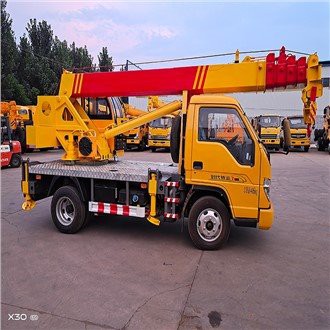
As a Hydro Crane supplier, I understand the critical importance of safe operation when it comes to these powerful and versatile pieces of equipment. Hydro cranes are widely used in various industries, from construction and manufacturing to logistics and infrastructure development. Ensuring their safe operation not only protects the lives of operators and bystanders but also safeguards the integrity of the crane itself and the efficiency of the overall work process. In this blog post, I will share some essential guidelines on how to operate a Hydro Crane safely.
Pre - operation Checks
Before starting any operation with a Hydro Crane, a comprehensive pre - operation check is essential. This step is like setting the foundation for a safe and successful lifting task.
First, visually inspect the crane. Check for any signs of damage, such as cracks in the boom, hydraulic hoses, or the chassis. Look for leaks in the hydraulic system, as even a small leak can lead to a significant loss of pressure and functionality over time. Ensure that all bolts and nuts are tightened properly, and there are no loose parts that could pose a risk during operation.
Next, examine the outriggers. Outriggers are crucial for providing stability to the crane. Make sure they are fully extended and firmly planted on a stable surface. Check the pads under the outriggers for any signs of wear or damage. If the ground is soft or uneven, consider using larger pads or additional support to prevent the crane from tipping.
Inspect the lifting accessories, such as hooks, slings, and chains. Ensure that they are in good condition, without any signs of excessive wear, deformation, or damage. Check the load capacity ratings of the lifting accessories and make sure they are suitable for the intended load.
Verify the functionality of all controls. Test the movement of the boom, including raising, lowering, telescoping, and swinging. Check the brakes and emergency stop buttons to ensure they are working properly. Also, test the warning lights and alarms to make sure they can effectively alert the operator and others in case of an emergency.
Operator Training and Certification
Operating a Hydro Crane is a complex task that requires specialized skills and knowledge. It is imperative that operators receive proper training and hold the necessary certifications.
A well - trained operator should have a thorough understanding of the crane's technical specifications, including its load capacity, boom length, and operating range. They should be familiar with the crane's control system and be able to operate it smoothly and accurately.
Training should also cover safety procedures, such as how to handle emergency situations, how to communicate effectively on the job site, and how to perform pre - operation and post - operation checks. Operators should be trained to recognize potential hazards and take appropriate measures to avoid them.
Certification programs ensure that operators meet the industry standards for operating Hydro Cranes. These programs typically involve both theoretical and practical examinations. By obtaining a valid certification, operators demonstrate their competence and commitment to safety.
Load Management
One of the most critical aspects of safe Hydro Crane operation is proper load management. Overloading a crane can lead to catastrophic failures, including tipping, boom collapse, and damage to the load.
Before lifting a load, accurately determine its weight. Use reliable weighing equipment or refer to the load's documentation. Compare the weight of the load with the crane's load capacity chart, which takes into account factors such as the boom length, angle, and radius. Never exceed the rated load capacity of the crane under any circumstances.
Properly rig the load to ensure it is balanced and secure. Use the appropriate lifting accessories and attach them correctly to the load. Make sure the load is centered on the hook and that there is no excessive swaying or shifting during lifting.
During the lifting process, monitor the load closely. Pay attention to any signs of instability, such as uneven movement or excessive stress on the lifting accessories. If the load starts to behave abnormally, stop the operation immediately and take corrective measures.
Environmental Considerations
The operating environment can have a significant impact on the safety of Hydro Crane operation. Factors such as weather conditions, terrain, and proximity to other objects and people need to be carefully considered.
In adverse weather conditions, such as high winds, heavy rain, or snow, exercise extreme caution. High winds can affect the stability of the crane and increase the risk of tipping. If the wind speed exceeds the recommended limit for the crane, stop the operation and secure the crane properly.
When operating on uneven or soft terrain, take extra precautions. As mentioned earlier, use appropriate outrigger pads and support to ensure stability. Avoid operating the crane near slopes or edges that could cause it to lose balance.
Maintain a safe distance from other objects and people on the job site. Keep the crane away from power lines, buildings, and other structures. Establish a clear safety zone around the crane and ensure that unauthorized personnel are not allowed to enter.
Communication
Effective communication is essential for safe Hydro Crane operation. The operator needs to communicate with the signaler, other workers on the job site, and any relevant personnel.
Use a standardized system of signals to communicate between the operator and the signaler. The signaler should be trained and experienced in using these signals. Clear and concise signals help the operator to accurately position the crane and lift the load safely.
Establish a communication protocol for emergency situations. All workers on the job site should know how to quickly alert the operator in case of an emergency. Use two - way radios or other reliable communication devices to ensure seamless communication.
Post - operation Procedures
After completing the lifting operation, it is important to follow proper post - operation procedures.
Lower the boom to its resting position and retract it if necessary. Secure all controls and lock the cab to prevent unauthorized access.
Inspect the crane again for any signs of damage or wear that may have occurred during the operation. Check the hydraulic system for leaks, the lifting accessories for any signs of fatigue, and the overall condition of the crane.


Clean the crane and remove any debris or dirt. Lubricate moving parts as recommended by the manufacturer to ensure smooth operation in the next use.
Maintain a detailed record of the crane's operation, including the date, time, load weight, and any issues or incidents that occurred. This record can be useful for maintenance planning, safety audits, and compliance purposes.
Related Products
If you are interested in other types of cranes, we also offer a range of high - quality products, such as Truck Mounted Crane, Mini Crawler Crane, and Small Truck Crane. These cranes are designed to meet different application needs and provide reliable performance.
In conclusion, safe operation of a Hydro Crane requires a combination of proper pre - operation checks, well - trained operators, effective load management, consideration of environmental factors, clear communication, and proper post - operation procedures. By following these guidelines, you can minimize the risk of accidents and ensure the safe and efficient use of Hydro Cranes. If you are interested in purchasing a Hydro Crane or have any questions about its operation and safety, please feel free to contact us for further discussion and procurement.
References
- Occupational Safety and Health Administration (OSHA). Crane and Derrick Standards.
- American Society of Mechanical Engineers (ASME). B30.5 Mobile and Locomotive Cranes.
- Manufacturer's Operation and Maintenance Manuals for Hydro Cranes.