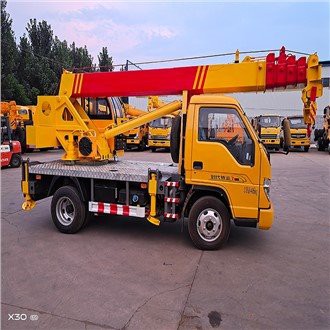
As a trusted Hydro Crane supplier, I understand the importance of maintaining the optimal performance of these powerful machines. One of the critical aspects of Hydro Crane maintenance is detecting hydraulic fluid leakage early. Hydraulic fluid is the lifeblood of a Hydro Crane, facilitating smooth operation and power transmission. In this blog, I'll discuss the signs of hydraulic fluid leakage in a Hydro Crane to help you identify and address issues promptly.
Visual Inspection Signs
The most straightforward way to detect hydraulic fluid leakage is through a visual inspection. Hydraulic fluid is often a distinctive color, typically red, green, or clear. If you notice any wet spots or puddles under the Hydro Crane, it's a clear indication of a leak. These spots may appear near hydraulic hoses, fittings, cylinders, or the hydraulic reservoir.
When conducting a visual inspection, pay close attention to the following areas:

- Hydraulic Hoses: Check for cracks, cuts, or bulges in the hoses. These can be caused by wear and tear, abrasion, or high-pressure conditions. Even small cracks can lead to significant fluid leakage over time. For more information on the components of a Hydro Crane, you can visit our Hydro Crane product page.
- Fittings and Connections: Examine all fittings and connections for signs of seepage or dripping. Loose or damaged fittings can allow hydraulic fluid to escape. Tightening loose fittings may solve the problem, but if there is damage, replacement may be necessary.
- Cylinders: Look for signs of fluid around the cylinder rods. If you see a film of hydraulic fluid on the rod or around the cylinder body, it could indicate a worn seal. Damaged seals can cause fluid to leak out of the cylinder, reducing its efficiency and potentially leading to equipment failure.
- Hydraulic Reservoir: Inspect the reservoir for cracks or holes. A damaged reservoir can result in a large amount of fluid leakage. Also, check the fluid level in the reservoir. A sudden drop in fluid level may suggest a leak somewhere in the system.
Performance Issues
In addition to visual signs, hydraulic fluid leakage can also manifest as performance issues in the Hydro Crane. These issues can affect the crane's lifting capacity, speed, and overall operation.
- Reduced Lifting Capacity: If the Hydro Crane is struggling to lift loads that it could previously handle with ease, it may be due to hydraulic fluid leakage. Leaking fluid can cause a loss of pressure in the hydraulic system, resulting in reduced power and lifting capacity.
- Slow or Erratic Operation: A leak in the hydraulic system can cause the crane's movements to become slow or erratic. For example, the boom may extend or retract more slowly than usual, or the crane may jerk or hesitate during operation. These issues can make the crane difficult to control and increase the risk of accidents.
- Unusual Noises: Hydraulic fluid leakage can also cause unusual noises in the system. You may hear hissing, whining, or knocking sounds, which could indicate a problem with the hydraulic pump, valves, or other components. These noises should not be ignored, as they can be a sign of serious damage to the system.
Overheating
Another sign of hydraulic fluid leakage is overheating. Hydraulic fluid plays a crucial role in cooling the hydraulic system. When there is a leak, the fluid level in the system drops, reducing its ability to dissipate heat. As a result, the system can overheat, which can cause damage to the hydraulic components and reduce the lifespan of the crane.
If you notice that the Hydro Crane's hydraulic system is overheating, check for signs of fluid leakage. You can also monitor the temperature of the hydraulic fluid using a temperature gauge. If the temperature exceeds the recommended range, it's important to address the issue immediately to prevent further damage.
Foaming of Hydraulic Fluid
Foaming of the hydraulic fluid is another indication of a potential leakage problem. When air enters the hydraulic system due to a leak, it can cause the fluid to foam. Foaming can reduce the lubricating properties of the fluid and lead to increased wear and tear on the hydraulic components.

To check for foaming, look at the hydraulic fluid in the reservoir. If you see bubbles or a frothy appearance, it could be a sign of air entering the system. You may also notice a decrease in the fluid's viscosity, which can affect the performance of the hydraulic system.
Impact on Surroundings
Hydraulic fluid leakage can also have an impact on the crane's surroundings. Spilled hydraulic fluid can be a safety hazard, as it can make the ground slippery and increase the risk of slips and falls. It can also be harmful to the environment, as hydraulic fluid is often toxic and can contaminate soil and water sources.
If you notice any signs of hydraulic fluid leakage, it's important to clean up the spill immediately. Use absorbent materials to soak up the fluid and dispose of them properly. You should also take steps to prevent future leaks, such as regular maintenance and inspection of the hydraulic system.

Importance of Early Detection
Detecting hydraulic fluid leakage early is crucial for several reasons. First, it can prevent further damage to the Hydro Crane. Leaking fluid can cause corrosion and wear on the hydraulic components, leading to costly repairs or even replacement of the crane. Second, early detection can improve the safety of the crane operation. A leaky hydraulic system can affect the crane's performance and stability, increasing the risk of accidents. Finally, it can save you money in the long run by reducing downtime and maintenance costs.
How to Address Hydraulic Fluid Leakage
If you suspect that there is a hydraulic fluid leakage in your Hydro Crane, it's important to take action immediately. Here are some steps you can take:
- Isolate the Problem: Determine the source of the leak by conducting a thorough visual inspection. Look for the areas where the fluid is leaking and identify the components that may be damaged.
- Shut Down the Crane: Once you have identified the source of the leak, shut down the Hydro Crane to prevent further fluid loss and damage to the system.
- Repair or Replace the Damaged Components: Depending on the severity of the leak, you may need to repair or replace the damaged components. This may involve replacing a hydraulic hose, fitting, seal, or cylinder.
- Refill the Hydraulic Fluid: After repairing the leak, refill the hydraulic reservoir with the appropriate type and amount of fluid. Make sure to follow the manufacturer's recommendations for fluid type and level.
- Test the Crane: Once you have refilled the hydraulic fluid, test the Hydro Crane to ensure that it is operating properly. Check for any signs of continued leakage or performance issues.
Conclusion
As a Hydro Crane supplier, I know that hydraulic fluid leakage is a common problem that can have serious consequences if not addressed promptly. By being aware of the signs of hydraulic fluid leakage, you can detect and address issues early, preventing further damage to the crane and ensuring its safe and efficient operation.
If you have any questions about Hydro Crane maintenance or need assistance with hydraulic fluid leakage, please don't hesitate to contact us. We are here to help you keep your Hydro Crane in top condition. Whether you are interested in our Hydro Crane, Forklift Boom, or Mini Size Truck Crane, we are ready to discuss your specific requirements and provide you with the best solutions. Contact us today to start the procurement process and let us help you find the perfect crane for your needs.

References
- Crane Manufacturers Association of America (CMAA). Crane Safety Standards and Guidelines.
- Hydraulic Institute. Hydraulic System Design and Maintenance Handbook.
- Manufacturer's Manual for Hydro Crane Models.