As a supplier to an Engineering Plant, I've had the privilege of witnessing firsthand the intricate dance of different departments within these industrial powerhouses. Each department plays a unique and vital role in the overall success of the plant, from the initial conceptualization of a project to the final delivery of high - quality engineering products. In this blog, I'll delve into the functions and contributions of various departments in an Engineering Plant.
Research and Development (R&D) Department
The R&D department is the creative engine of an Engineering Plant. Its primary role is to drive innovation and develop new products or improve existing ones. Engineers and scientists in this department are constantly exploring new technologies, materials, and manufacturing processes. They conduct in - depth research to understand market trends, customer needs, and technological advancements.
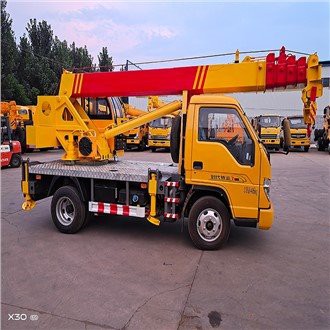
For example, in the development of new types of cranes, the R&D team would study factors such as lifting capacity, mobility, and safety features. They might research new hydraulic systems that can provide more efficient and precise lifting operations. The R&D department also collaborates with external partners, such as universities and research institutions, to access the latest academic knowledge and cutting - edge research findings.
Once a new concept is developed, the R&D team creates prototypes. These prototypes are then rigorously tested to ensure they meet the required standards and specifications. This iterative process of design, testing, and improvement is crucial for bringing high - quality and competitive products to the market. If you're interested in our range of cranes, check out Truck Crane 10 Ton 12 Ton 16 Ton 25 Ton Lifting Capacity Truck Crane Hydraulic Mobile Cranes For Sale.
Design Department
After the R&D department has developed a viable concept, the design department takes over. This department is responsible for translating the ideas and requirements from R&D into detailed engineering designs. Design engineers use advanced computer - aided design (CAD) software to create 2D and 3D models of the products.


These designs are not only aesthetically pleasing but also highly functional. The design team considers factors such as structural integrity, ease of manufacturing, and maintenance. They work closely with other departments, especially manufacturing and quality control, to ensure that the designs are practical and can be implemented efficiently.
For instance, when designing a mini lift crane truck, the design engineers need to balance the size of the truck, the lifting capacity, and the stability. They also need to design the control systems in a way that is user - friendly. You can learn more about our Mini Lift Crane Truck on our website.
Manufacturing Department
The manufacturing department is where the physical products are brought to life. This department is responsible for the actual production of engineering products based on the designs provided by the design department. The manufacturing process involves a series of steps, including raw material procurement, machining, assembly, and finishing.
Skilled workers in the manufacturing department operate various types of machinery, such as lathes, milling machines, and welding equipment. They follow strict manufacturing procedures and quality control measures to ensure that each product meets the required standards. Lean manufacturing principles are often implemented to improve efficiency, reduce waste, and optimize production flow.
In addition, the manufacturing department is also responsible for inventory management. They need to ensure that there are sufficient raw materials and components available for production while minimizing inventory costs. They also coordinate with the logistics department to ensure the timely delivery of finished products.
Quality Control Department
Quality control is an integral part of an Engineering Plant. The quality control department is responsible for ensuring that all products meet or exceed the specified quality standards. They conduct inspections and tests at various stages of the manufacturing process, from raw material inspection to final product testing.
Quality control engineers use a variety of techniques, such as non - destructive testing (NDT), dimensional inspection, and performance testing. They also follow international quality management standards, such as ISO 9001, to ensure that the quality control processes are consistent and effective.
Any product that fails to meet the quality standards is either re - worked or scrapped. This strict adherence to quality control helps to build a good reputation for the plant and ensures customer satisfaction. For example, when it comes to a diesel four - stroke engine used in garbage transfer vehicles, the quality control department will test its power output, fuel efficiency, and emission levels. You can find more information about our Diesel Four Is Not Like Garbage Transfer Vehicles on our website.
Sales and Marketing Department
The sales and marketing department is responsible for promoting and selling the products of the Engineering Plant. They identify potential customers, understand their needs, and develop marketing strategies to reach them. Marketing activities may include advertising, trade shows, and online marketing.
Sales representatives work closely with customers to provide product information, quotations, and after - sales support. They build long - term relationships with customers and strive to meet their requirements. The sales and marketing department also collects feedback from customers, which is then passed on to other departments, such as R&D and design, to improve the products.
Logistics and Supply Chain Department
The logistics and supply chain department is responsible for the smooth flow of materials and products within the plant and to the customers. They manage the transportation of raw materials from suppliers to the plant and the delivery of finished products to customers.
This department also coordinates with suppliers to ensure the timely and reliable supply of raw materials. They optimize the supply chain to reduce costs and improve efficiency. For example, they may use just - in - time (JIT) inventory management techniques to minimize inventory holding costs.
Maintenance Department
The maintenance department is crucial for ensuring the smooth operation of the manufacturing equipment. They are responsible for the regular maintenance, repair, and overhaul of machinery and equipment. Preventive maintenance is carried out to minimize downtime and extend the lifespan of the equipment.
Maintenance technicians are trained to diagnose and fix various types of mechanical, electrical, and hydraulic problems. They also keep records of maintenance activities, which can be used for future reference and equipment performance analysis.
Human Resources Department
The human resources department is responsible for managing the plant's workforce. They recruit, train, and develop employees. They also handle employee relations, compensation, and benefits.
A well - managed human resources department can attract and retain talented employees, which is essential for the success of the Engineering Plant. They also organize training programs to improve the skills and knowledge of employees, ensuring that the plant has a competent and motivated workforce.
Conclusion
In conclusion, each department in an Engineering Plant plays a crucial role in the overall success of the plant. The R&D department drives innovation, the design department creates detailed plans, the manufacturing department produces the products, the quality control department ensures product quality, the sales and marketing department promotes and sells the products, the logistics and supply chain department manages the flow of materials and products, the maintenance department keeps the equipment running, and the human resources department manages the workforce.
If you're interested in our engineering plant products and would like to discuss potential procurement opportunities, we welcome you to reach out to us. We're committed to providing high - quality products and excellent customer service.
References
- Manufacturing Engineering Handbook.
- Quality Management Principles and Practices.
- Supply Chain Management: Strategy, Planning, and Operation.