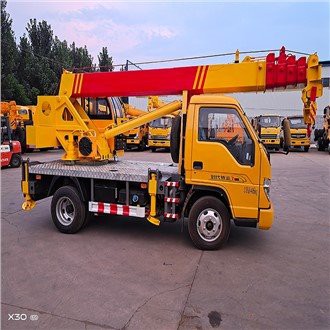
Hey there! As a supplier of engineering plants, I've seen firsthand how crucial proper maintenance is for these heavy - duty machines. In this blog, I'm gonna walk you through the maintenance procedures for an engineering plant.
1. Regular Inspections
Regular inspections are the backbone of any maintenance plan. You gotta check your engineering plant on a daily, weekly, and monthly basis.
Daily Checks
Every morning before starting the machine, take a quick look around. Check for any visible signs of damage, like cracks on the body, loose bolts, or leaks. Make sure all the safety guards are in place. For example, if you're dealing with a Drilling Rig, you need to check the drill bit for wear and tear. A dull or damaged drill bit can not only slow down the work but also cause more stress on the machine, leading to other problems.
Weekly Checks
On a weekly basis, you should dig a bit deeper. Check the fluid levels, including engine oil, hydraulic fluid, and coolant. Low fluid levels can cause overheating and serious damage to the components. Also, inspect the filters. Clogged filters can restrict the flow of air, fuel, or hydraulic fluid, reducing the efficiency of the machine. For a Multifunctional Garbage Truck, the waste collection system needs to be checked for any blockages or malfunctions.
Monthly Checks
Monthly inspections are more comprehensive. You need to check the electrical systems, looking for any frayed wires or loose connections. Electrical problems can lead to sudden breakdowns or even pose a safety hazard. Also, examine the belts and chains for proper tension and wear. If they're too loose or too tight, it can affect the performance of the machine. For a Shandong Drill, the gearbox and transmission should be inspected for any signs of abnormal noise or vibration, which could indicate internal damage.
2. Lubrication
Lubrication is like giving your engineering plant a drink of water. It reduces friction between moving parts, which in turn reduces wear and tear and extends the lifespan of the components.
Types of Lubricants
There are different types of lubricants, such as oils and greases. The type you use depends on the specific part of the machine. For example, engine oil is used to lubricate the internal combustion engine, while grease is often used for bearings and joints.
Lubrication Schedule
You need to follow a strict lubrication schedule. Some parts may need to be lubricated daily, while others can be done weekly or monthly. Over - lubrication can be just as bad as under - lubrication, as it can attract dirt and debris, causing more problems. So, make sure you use the right amount of lubricant according to the manufacturer's recommendations.
3. Cleaning
A clean engineering plant is a happy engineering plant. Dirt, dust, and debris can accumulate on the machine over time, which can cause corrosion, blockages, and other issues.


External Cleaning
Regularly wash the outside of the machine to remove dirt and grime. You can use a pressure washer for a more thorough clean, but be careful not to damage any sensitive components. For machines that work in dirty environments, like construction sites or mines, more frequent cleaning may be required.
Internal Cleaning
Internal components also need to be cleaned. For example, the air intake system can get clogged with dust, which can reduce the engine's performance. You can use specialized cleaning agents to clean the internal parts, but make sure you follow the proper procedures to avoid damaging the components.
4. Component Replacement
Even with the best maintenance, some components will eventually wear out and need to be replaced.
Wear - and - Tear Parts
Parts like brake pads, tires, and drill bits are subject to a lot of wear and tear. You should monitor their condition regularly and replace them when they reach the end of their lifespan. Using worn - out parts can not only affect the performance of the machine but also pose a safety risk.
Preventive Replacement
In some cases, it's a good idea to replace certain components preventively, even if they're not showing obvious signs of wear. For example, rubber hoses can deteriorate over time due to exposure to heat, chemicals, and sunlight. Replacing them before they fail can prevent costly breakdowns and downtime.
5. Operator Training
The operator plays a crucial role in the maintenance of an engineering plant. A well - trained operator can spot potential problems early and take the necessary steps to prevent them from becoming major issues.
Safety Training
Operators should be trained on safety procedures to avoid accidents and damage to the machine. They need to know how to use the machine properly, including starting, stopping, and operating it under different conditions.
Maintenance Awareness
Operators should also be aware of basic maintenance procedures. They should know how to perform daily checks, report any problems they notice, and follow the correct shutdown procedures. This can help catch small issues before they turn into big headaches.
6. Record - Keeping
Keeping detailed records of maintenance activities is essential. It helps you track the history of the machine, including when inspections were done, what parts were replaced, and when lubrication was performed.
Benefits of Record - Keeping
Record - keeping allows you to identify patterns and trends. For example, if you notice that a certain part keeps failing after a certain number of hours of operation, you can take proactive measures to address the issue. It also provides valuable information for warranty claims and resale of the machine.
Why Choose Our Engineering Plants?
We take pride in providing high - quality engineering plants. Our machines are built to last, but we also understand the importance of maintenance. That's why we offer comprehensive support to our customers. Whether you need spare parts, maintenance training, or technical advice, we're here to help.
If you're in the market for an engineering plant or need to upgrade your existing equipment, don't hesitate to reach out. We're ready to have a chat about your specific needs and find the perfect solution for you. Let's work together to keep your operations running smoothly!
References
- Engineering Plant Maintenance Manuals
- Industry Best Practices for Heavy Equipment Maintenance