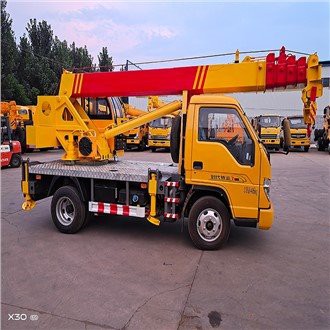
When it comes to using a lorry loading crane, understanding the legal requirements is not only crucial for safety but also for ensuring compliance with the law. As a lorry loading crane supplier, I've seen firsthand the importance of adhering to these regulations. In this blog post, I'll delve into the key legal aspects that operators and owners need to be aware of when using a lorry loading crane.
Operator Qualifications
One of the fundamental legal requirements for using a lorry loading crane is having a properly qualified operator. In many regions, operators must hold a valid license or certification specific to crane operation. This certification typically involves theoretical and practical training, covering topics such as crane safety, load capacity, and operating procedures.
For example, in the United States, the Occupational Safety and Health Administration (OSHA) requires crane operators to be certified for certain types of cranes, including lorry loading cranes. The certification process includes written and practical exams to ensure operators have the necessary knowledge and skills to operate the crane safely. Similarly, in the European Union, the Machinery Directive sets out requirements for operator training and certification to ensure the safe use of lifting equipment.
As a supplier, we often recommend that our customers ensure their operators are fully trained and certified. We also provide resources and support to help operators stay up-to-date with the latest safety standards and regulations.
Crane Inspection and Maintenance
Regular inspection and maintenance of the lorry loading crane are also essential legal requirements. Cranes must be inspected before each use to ensure they are in safe working condition. This includes checking for any signs of damage, wear, or malfunction.
In addition to pre-use inspections, cranes must undergo periodic thorough examinations by a competent person. The frequency of these examinations depends on factors such as the type of crane, its usage, and the regulations in the relevant jurisdiction. For example, in the UK, lorry loading cranes must be thoroughly examined at least once every 12 months.
Maintenance is also crucial to keep the crane in good working order. This includes routine servicing, lubrication, and replacement of worn parts. Operators and owners should keep detailed records of all inspections and maintenance activities to demonstrate compliance with the law.
As a supplier, we offer comprehensive maintenance services and support to our customers. We can also provide advice on inspection schedules and best practices to ensure the long-term reliability and safety of the crane.
Load Capacity and Stability
Another important legal requirement is ensuring that the lorry loading crane is used within its specified load capacity and stability limits. Overloading a crane can lead to serious accidents, including crane collapses and load drops.
Each crane has a maximum load capacity, which is determined by factors such as the crane's design, configuration, and the length of the boom. Operators must ensure that the weight of the load being lifted does not exceed this capacity. They should also take into account any additional factors that may affect the crane's stability, such as the terrain, wind conditions, and the position of the load.


To help operators determine the safe load capacity of the crane, we provide detailed load charts and operating manuals with each crane we supply. These resources include information on the maximum load capacity at different boom lengths and angles, as well as guidelines for ensuring the stability of the crane during operation.
Safety Devices and Equipment
Lorry loading cranes are required to be equipped with a range of safety devices and equipment to protect operators and bystanders. These may include overload protection devices, anti-two-block systems, and emergency stop buttons.
Overload protection devices are designed to prevent the crane from lifting loads that exceed its maximum capacity. They work by automatically cutting off the power to the crane's lifting mechanism when the load reaches a pre-set limit. Anti-two-block systems are used to prevent the hook block from colliding with the boom tip, which can cause serious damage to the crane.
Emergency stop buttons are another important safety feature. They allow operators to quickly stop the crane's operation in the event of an emergency. Operators should be trained on how to use these buttons effectively and should know the location of all emergency stop buttons on the crane.
As a supplier, we ensure that all our cranes are equipped with the latest safety devices and equipment. We also provide training and support to help operators understand how to use these features correctly.
Environmental and Site Requirements
In addition to the above requirements, there may be environmental and site-specific regulations that need to be considered when using a lorry loading crane. For example, some sites may have restrictions on noise levels, emissions, or the use of certain types of equipment.
Operators and owners should familiarize themselves with these regulations and ensure that the crane is used in compliance with them. This may involve obtaining the necessary permits or approvals before using the crane on a particular site.
As a supplier, we can provide advice and support to help our customers navigate these environmental and site requirements. We can also offer solutions such as low-emission cranes or noise-reducing equipment to help meet these regulations.
Conclusion
In conclusion, using a lorry loading crane involves a range of legal requirements that operators and owners must comply with to ensure safety and avoid legal issues. These requirements include operator qualifications, crane inspection and maintenance, load capacity and stability, safety devices and equipment, and environmental and site requirements.
As a lorry loading crane supplier, we are committed to providing our customers with high-quality cranes that meet all the relevant legal requirements. We also offer comprehensive support and resources to help our customers ensure the safe and compliant use of our cranes.
If you are interested in purchasing a lorry loading crane or have any questions about the legal requirements for using one, please don't hesitate to contact us. We would be happy to discuss your needs and provide you with more information. You can explore our range of products, including Small Truck Mounted Cranes, Diesel Forklift Boom Crane, and Three-wheeled Truck Crane.
References
- Occupational Safety and Health Administration (OSHA). Crane and Derrick Standards.
- European Union Machinery Directive.
- UK Health and Safety Executive (HSE). Lifting Operations and Lifting Equipment Regulations (LOLER).