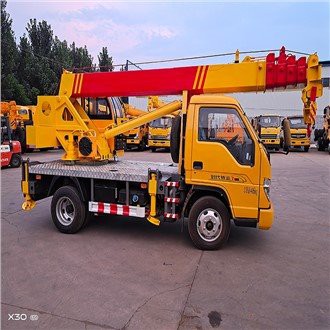
In the world of heavy machinery, small truck cranes play a crucial role in various industries, from construction to logistics. As a trusted supplier of small truck cranes, I understand the importance of efficient cooling systems in ensuring the smooth operation and longevity of these powerful machines. In this blog post, I will delve into the different cooling systems used in small truck cranes, their functions, and why they are essential for optimal performance.
The Importance of Cooling Systems in Small Truck Cranes
Small truck cranes are complex machines that generate a significant amount of heat during operation. The engine, hydraulic system, and other components work hard to lift and move heavy loads, which can cause temperatures to rise rapidly. If not properly cooled, this excess heat can lead to a range of problems, including reduced performance, increased wear and tear, and even permanent damage to the crane's components.
A reliable cooling system is essential for maintaining the optimal operating temperature of a small truck crane. It helps to prevent overheating, which can improve the efficiency and reliability of the crane, reduce maintenance costs, and extend its lifespan. Additionally, a well-functioning cooling system can enhance the safety of the crane operator and those working in the vicinity by minimizing the risk of thermal-related accidents.
Types of Cooling Systems in Small Truck Cranes
There are several types of cooling systems commonly used in small truck cranes, each with its own advantages and disadvantages. The choice of cooling system depends on various factors, such as the size and power of the crane, the operating environment, and the specific requirements of the application. Here are some of the most common cooling systems found in small truck cranes:
Radiator Cooling System
The radiator cooling system is one of the most widely used cooling systems in small truck cranes. It consists of a radiator, a water pump, a thermostat, and a fan. The radiator is a heat exchanger that transfers heat from the engine coolant to the surrounding air. The water pump circulates the coolant through the engine and the radiator, while the thermostat regulates the flow of coolant to maintain the optimal operating temperature. The fan helps to increase the airflow through the radiator, enhancing the cooling efficiency.
The radiator cooling system is relatively simple and cost-effective, making it a popular choice for small truck cranes. It is also reliable and easy to maintain, with most components being readily available. However, it may not be suitable for extreme operating conditions, such as high temperatures or dusty environments, as the radiator can become clogged with debris, reducing its cooling efficiency.
Hydraulic Oil Cooling System
The hydraulic oil cooling system is designed to cool the hydraulic fluid used in the crane's hydraulic system. Hydraulic systems generate a significant amount of heat during operation, and if not properly cooled, the hydraulic fluid can degrade, leading to reduced performance and increased wear on the hydraulic components.
The hydraulic oil cooling system typically consists of a hydraulic oil cooler, a pump, and a thermostat. The hydraulic oil cooler is a heat exchanger that transfers heat from the hydraulic fluid to the surrounding air or a separate coolant. The pump circulates the hydraulic fluid through the cooler, while the thermostat regulates the flow of fluid to maintain the optimal operating temperature.
The hydraulic oil cooling system is essential for ensuring the reliability and longevity of the crane's hydraulic system. It helps to prevent overheating, which can improve the efficiency and performance of the hydraulic components, reduce maintenance costs, and extend the lifespan of the hydraulic fluid. However, it can be more complex and expensive than the radiator cooling system, and it requires regular maintenance to ensure proper operation.
Engine Exhaust Cooling System
The engine exhaust cooling system is designed to cool the hot exhaust gases produced by the crane's engine. Exhaust gases can reach extremely high temperatures, and if not properly cooled, they can cause damage to the exhaust system and other components of the crane.
The engine exhaust cooling system typically consists of an exhaust manifold, a catalytic converter, a muffler, and a cooling jacket. The exhaust manifold collects the exhaust gases from the engine cylinders and directs them to the catalytic converter, which reduces the emissions of harmful pollutants. The muffler reduces the noise generated by the exhaust gases, while the cooling jacket surrounds the exhaust manifold and other components to dissipate heat.
The engine exhaust cooling system is essential for ensuring the safety and reliability of the crane's engine. It helps to prevent overheating, which can improve the efficiency and performance of the engine, reduce emissions, and extend the lifespan of the exhaust system. However, it can be more complex and expensive than the radiator cooling system, and it requires regular maintenance to ensure proper operation.
Factors Affecting Cooling System Performance
Several factors can affect the performance of a small truck crane's cooling system. Understanding these factors is essential for ensuring the optimal operation and longevity of the cooling system. Here are some of the key factors to consider:


Operating Environment
The operating environment can have a significant impact on the cooling system's performance. High temperatures, low humidity, and dusty or dirty conditions can all reduce the cooling efficiency of the radiator and other cooling components. In extreme operating conditions, additional cooling measures may be required, such as the use of a high-capacity radiator or a cooling fan with a higher airflow rate.
Crane Load and Usage
The load and usage of the crane can also affect the cooling system's performance. Heavy loads and continuous operation can cause the engine and hydraulic system to work harder, generating more heat. This can put additional strain on the cooling system, reducing its efficiency and increasing the risk of overheating. It is important to ensure that the cooling system is properly sized and designed to handle the expected load and usage of the crane.
Maintenance and Service
Regular maintenance and service are essential for ensuring the optimal performance of the cooling system. This includes checking the coolant level, inspecting the radiator and other cooling components for damage or blockages, and replacing the coolant and filters at the recommended intervals. Neglecting maintenance can lead to reduced cooling efficiency, increased wear and tear on the cooling components, and even permanent damage to the crane's engine and hydraulic system.
Conclusion
In conclusion, the cooling system is a critical component of a small truck crane, playing a vital role in ensuring its efficient operation, reliability, and longevity. As a supplier of small truck cranes, I understand the importance of providing high-quality cooling systems that are designed to meet the specific requirements of each application. Whether it's a radiator cooling system, a hydraulic oil cooling system, or an engine exhaust cooling system, I can offer a range of options to suit your needs.
If you're in the market for a small truck crane or need to upgrade your existing cooling system, I encourage you to [contact me] to discuss your requirements. I have the expertise and experience to help you choose the right cooling system for your crane, ensuring optimal performance and reliability. Don't let overheating issues compromise the efficiency and safety of your operations. Invest in a reliable cooling system today and experience the difference it can make.
References
- "Small Truck Crane Cooling Systems: A Comprehensive Guide." Machinery World Magazine, 20XX.
- "The Importance of Cooling Systems in Heavy Machinery." Engineering Journal, 20XX.
- "Cooling System Maintenance for Small Truck Cranes." Equipment Maintenance Today, 20XX.