As a well - established marine crane supplier, I've witnessed firsthand the importance of crane upgrades in the maritime industry. Upgrading a marine crane can significantly enhance its performance, safety, and longevity. In this blog, I'll share some valuable insights on how to upgrade a marine crane effectively.
1. Conduct a Thorough Assessment
Before embarking on any upgrade project, it's crucial to conduct a comprehensive assessment of the existing marine crane. This assessment should cover multiple aspects, including mechanical, electrical, and hydraulic systems.
Inspect the mechanical components such as the boom, jib, and hoist. Look for signs of wear and tear, such as cracks, corrosion, or excessive play in the joints. Check the condition of the ropes, chains, and sheaves, as these are critical for the crane's lifting operation. A detailed mechanical inspection can help identify components that need immediate replacement or repair.
For the electrical system, examine the wiring, control panels, and sensors. Outdated electrical systems can pose safety risks and may lead to operational inefficiencies. Look for any signs of overheating, short - circuits, or malfunctioning sensors. An electrical assessment will help determine if the crane needs a new control system or if individual components can be upgraded.
The hydraulic system is another key area to assess. Check the hydraulic hoses, pumps, and cylinders for leaks, blockages, or reduced performance. Hydraulic fluid levels and quality should also be inspected regularly. A well - functioning hydraulic system is essential for smooth and precise crane operation.
2. Set Clear Upgrade Goals
Based on the assessment results, set clear and specific upgrade goals. These goals could be related to improving lifting capacity, enhancing safety features, increasing operational efficiency, or extending the crane's service life.
If the goal is to increase the lifting capacity, you may need to upgrade the boom structure, strengthen the hoist mechanism, or improve the hydraulic power system. For example, replacing the existing boom with a stronger and longer one can allow the crane to lift heavier loads at greater distances.


Enhancing safety features is always a top priority. This could involve installing advanced safety sensors, such as load moment indicators, anti - collision devices, and emergency stop systems. These features can prevent accidents and protect both the crane operators and the surrounding environment.
Improving operational efficiency may include upgrading the control system to provide more precise and responsive operation. A modern control system can reduce operator fatigue and increase the speed of lifting and positioning operations.
3. Choose the Right Upgrade Components
Once the upgrade goals are set, it's time to choose the right components for the upgrade. As a marine crane supplier, I have access to a wide range of high - quality components from reputable manufacturers.
When selecting components, consider factors such as compatibility, reliability, and performance. For example, if you're upgrading the hoist mechanism, choose a hoist that is designed to handle the increased load capacity and has a proven track record of reliability.
Look for components that are specifically designed for marine applications. These components are built to withstand the harsh marine environment, including saltwater corrosion, high humidity, and extreme temperatures.
Some of the key components that may need to be upgraded include:
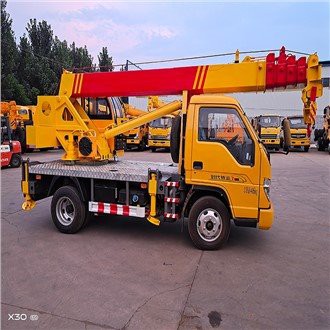
- Boom and Jib: Upgrading to a stronger and more flexible boom and jib can improve the crane's reach and lifting capacity. Telescopic Truck Mounted Crane often feature advanced boom designs that offer greater versatility.
- Hoist and Winch: A high - performance hoist and winch are essential for smooth and efficient lifting operations. Look for hoists with variable speed controls and high - quality braking systems.
- Control System: A modern control system can provide real - time monitoring and precise control of the crane's movements. It can also integrate safety features and diagnostic tools.
- Safety Sensors: As mentioned earlier, installing advanced safety sensors can significantly enhance the crane's safety. Load moment indicators, anti - collision sensors, and tilt sensors are some of the important safety components.
4. Hire Professional Installation Services
Upgrading a marine crane is a complex task that requires specialized knowledge and skills. It's highly recommended to hire professional installation services. Professional installers have the experience and expertise to ensure that the upgrade components are installed correctly and safely.
They can also perform the necessary testing and commissioning procedures to ensure that the upgraded crane meets all the required standards and specifications. Professional installers are familiar with the latest industry regulations and can ensure that the upgrade project is compliant with all relevant safety and environmental requirements.
During the installation process, the installers will follow a detailed installation plan. They will carefully disassemble the existing components, install the new ones, and then reassemble the crane. They will also conduct thorough inspections and tests at each stage of the process to ensure that everything is working properly.
5. Provide Operator Training
Once the upgrade is complete, it's essential to provide operator training. The upgraded crane may have new features and operating procedures that the operators need to be familiar with.
Operator training should cover both theoretical and practical aspects. In the theoretical part, operators will learn about the new components, safety features, and operating principles of the upgraded crane. They will also be educated on the importance of regular maintenance and inspection.
The practical training will allow operators to gain hands - on experience with the upgraded crane. They will practice lifting and positioning loads, operating the new control system, and using the safety features. Operator training is crucial for ensuring the safe and efficient operation of the upgraded crane.
6. Establish a Maintenance Plan
After the upgrade, establishing a regular maintenance plan is vital. A well - maintained crane will have a longer service life and operate more reliably.
The maintenance plan should include routine inspections, lubrication, and component replacements. For example, the crane's ropes and chains should be inspected regularly for wear and replaced when necessary. The hydraulic fluid should be changed at the recommended intervals, and the filters should be cleaned or replaced.
Regular maintenance can also help detect potential problems early, before they develop into major issues. This can save time and money in the long run.
7. Consider Future Upgrades
The maritime industry is constantly evolving, and new technologies and requirements are emerging all the time. When upgrading a marine crane, it's also a good idea to consider future upgrades.
This could involve designing the crane in a way that allows for easy integration of new components or systems in the future. For example, leaving space for additional sensors or upgrading the control system to be compatible with future software updates.
By planning for future upgrades, you can ensure that your marine crane remains competitive and meets the changing needs of the industry.
In conclusion, upgrading a marine crane is a multi - step process that requires careful planning, the right components, professional installation, operator training, and regular maintenance. As a marine crane supplier, I'm committed to providing high - quality components and expert advice to help you upgrade your crane successfully. If you're interested in upgrading your marine crane or have any questions about our products and services, please don't hesitate to contact us for a detailed discussion and procurement negotiation. We look forward to working with you to enhance the performance and safety of your marine crane.
References
- Marine Crane Handbook: A comprehensive guide to the design, operation, and maintenance of marine cranes.
- Industry standards and regulations related to marine crane upgrades, such as ISO standards and local maritime authority requirements.
- Technical manuals and product specifications provided by crane component manufacturers.