How to optimize the layout of an Engineering Plant?
As a supplier of engineering plants, I've witnessed firsthand the transformative impact of a well - optimized plant layout. A good layout not only enhances productivity but also improves safety and reduces operational costs. In this blog, I'm going to share some key strategies and considerations for optimizing the layout of an engineering plant.
Understanding the Current State
Before making any changes to the plant layout, it's essential to conduct a thorough assessment of the existing setup. This involves mapping out the flow of materials, machinery, and personnel within the plant. Identify bottlenecks, areas of congestion, and inefficient work processes. Analyzing the current workflow can help you pinpoint the root causes of productivity issues and inefficiencies.
For instance, if you notice that workers are frequently moving long distances to pick up tools or materials, it could indicate a poor storage or equipment placement. Similarly, if there are areas where materials are often piled up, it might suggest a problem with the material handling system.
Defining Clear Objectives
Once you have a clear understanding of the current state, you need to define your optimization objectives. These objectives should be specific, measurable, achievable, relevant, and time - bound (SMART). Common objectives include increasing production capacity, reducing lead times, improving quality control, and enhancing worker safety.
For example, your objective could be to increase production output by 20% within the next six months. Or, you might aim to reduce the time it takes to move materials from one workstation to another by 30% in the coming quarter. Having clear objectives will guide your layout optimization efforts and help you measure your progress.
Equipment Placement
The placement of equipment is a critical aspect of plant layout optimization. Equipment should be arranged in a way that minimizes the movement of materials and personnel. Group similar equipment together to create dedicated work areas. For example, if you have a series of machining operations, place the lathes, milling machines, and grinders in close proximity to each other.
Consider the flow of materials through the production process. Equipment should be arranged in the order of the production sequence to ensure a smooth and continuous flow. This reduces the need for unnecessary handling and transportation of materials.
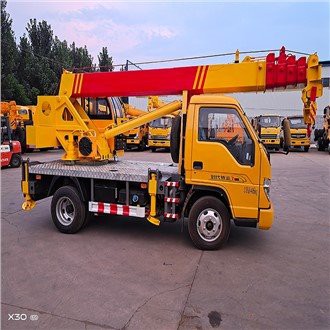
In our product range, we offer various types of engineering equipment such as Diesel Tricycles, Mini Crawler Crane, and Small Multifunctional Excavator. When planning the layout, make sure to allocate sufficient space for these equipment, taking into account their size, operating radius, and maintenance requirements.
Material Handling
Efficient material handling is crucial for a well - optimized plant layout. Choose the right material handling equipment based on the type, volume, and weight of the materials. Conveyor belts, forklifts, and automated guided vehicles (AGVs) are common options.
Design the material handling system to minimize the distance and time required to move materials. Create dedicated lanes for material movement and ensure that they are wide enough to accommodate the equipment and prevent congestion.
For example, if you are using forklifts to move heavy materials, make sure the aisles are wide enough for the forklifts to maneuver safely. If you are implementing a conveyor belt system, ensure that it is properly aligned with the production equipment to facilitate a seamless flow of materials.
Workspace Design
The design of workspaces has a significant impact on worker productivity and safety. Each workstation should be ergonomically designed to reduce fatigue and prevent injuries. Provide sufficient space for workers to move around comfortably and perform their tasks.
Arrange tools and equipment within easy reach of the workers. Use adjustable workbenches and chairs to accommodate different body sizes and work postures. Adequate lighting and ventilation are also essential for a comfortable and productive work environment.
Safety Considerations
Safety should be a top priority in any engineering plant layout. Identify potential hazards such as moving machinery, electrical equipment, and chemical storage areas. Implement safety measures such as safety guards, warning signs, and emergency exits.
Ensure that there is clear visibility throughout the plant to prevent accidents. Keep the aisles and walkways clear of obstacles at all times. Provide proper training to workers on safety procedures and the use of safety equipment.
Flexibility and Scalability
The engineering plant layout should be flexible and scalable to accommodate future changes in production volume, product mix, or technology. Design the layout in a modular way so that it can be easily modified or expanded.
For example, use movable partitions or racks instead of fixed structures. This allows you to reconfigure the layout as needed to adapt to new production requirements. Consider the potential for future growth when planning the space allocation for equipment and storage areas.
Communication and Collaboration
A well - designed plant layout should also promote communication and collaboration among workers. Arrange workstations in a way that encourages face - to - face interaction. Create common areas such as break rooms and meeting rooms where workers can gather and share ideas.
In addition, use digital tools such as communication software and notification systems to keep workers informed about production schedules, changes in processes, and safety alerts.


Monitoring and Evaluation
Once you have implemented the optimized layout, it's important to monitor and evaluate its performance. Collect data on key performance indicators (KPIs) such as production output, quality control, and labor productivity. Compare the actual performance with the predefined objectives.
Based on the evaluation results, make necessary adjustments to the layout or the associated processes. Continuous improvement is essential for maintaining an efficient and productive engineering plant.
Contact for Procurement
If you are interested in optimizing your engineering plant layout or need high - quality engineering equipment, please feel free to contact us for procurement discussion. We are committed to providing you with the best solutions to meet your specific needs.
References
- Heizer, Jay, and Barry Render. Operations Management. Pearson Prentice Hall, 2014.
- Groover, Mikell P. Automation, Production Systems, and Computer - Integrated Manufacturing. Prentice Hall, 2007.
- Apple, John M. Plant Layout and Material Handling. John Wiley & Sons, 1977.