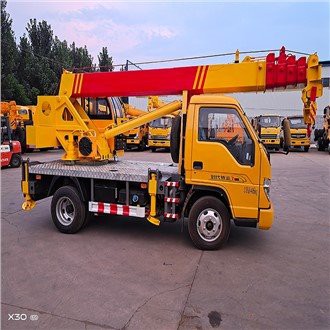
Hey there! I'm a supplier for an Engineering Plant, and today I wanna share some tips on how to manage the supply chain of an Engineering Plant. Managing a supply chain in this field can be a real challenge, but with the right strategies, it can also be super rewarding.
First off, let's talk about demand forecasting. This is like the foundation of a solid supply chain. You gotta have a good idea of what your customers are gonna need and when they're gonna need it. It's not always easy, though. The engineering industry is constantly changing, with new projects popping up and old ones wrapping up. To get an accurate forecast, I usually look at historical data. See what products were in high demand in the past, and if there were any seasonal trends. I also keep an eye on market trends and industry news. For example, if there's a new government initiative for infrastructure development, that could mean a spike in demand for certain engineering equipment.
Once you've got a handle on demand forecasting, the next step is supplier selection. This is crucial because your suppliers are like your partners in crime. You need reliable ones who can deliver quality products on time. When I'm choosing suppliers, I look at a few key things. First, their track record. Have they delivered on time in the past? Do they have a good reputation in the industry? I also consider their pricing. Of course, you want to get a good deal, but don't just go for the cheapest option. Sometimes, cheap can mean low quality, and that can cause all sorts of problems down the line.
Another important factor is their location. If a supplier is far away, it can take longer for the products to reach you, and there's also a higher risk of delays due to transportation issues. That's why I try to work with local suppliers whenever possible. It's just more convenient and reliable.
Inventory management is also a big part of supply chain management. You don't want to have too much inventory sitting around, because that ties up your money and takes up space. But you also don't want to run out of stock, because that can lead to lost sales and unhappy customers. To find the right balance, I use an inventory management system. It helps me keep track of what I have in stock, what's on order, and what's been sold. I also set reorder points for each product. When the inventory level reaches that point, I automatically place an order with the supplier.
Now, let's talk about transportation and logistics. Getting your products from the supplier to your customers in a timely and cost - effective manner is key. There are a few different options for transportation, like trucks, trains, and ships. The choice depends on a few factors, such as the size and weight of the products, the distance they need to travel, and the urgency of the delivery.
For local deliveries, I usually use trucks. They're flexible and can get to the destination quickly. For longer distances, especially overseas shipments, ships are often the best option. They can carry a large volume of goods at a relatively low cost. But ships also take longer, so you need to plan ahead.
I also work with a logistics provider to handle all the details. They take care of things like customs clearance, documentation, and warehousing. It saves me a lot of time and hassle.
Communication is another vital aspect of supply chain management. You need to keep in touch with your suppliers, customers, and logistics partners. I use a combination of email, phone calls, and in - person meetings to stay connected. Regular communication helps to build strong relationships and ensures that everyone is on the same page. For example, if there's a problem with a shipment, I can quickly let the relevant parties know and work together to find a solution.
Now, let me introduce some of the products we supply at our Engineering Plant. We have the TMR Material Scattering And Mixing Integrated Vehicle. This vehicle is great for mixing and spreading materials in engineering projects. It's highly efficient and can save a lot of time and labor.
Another product is the Dayun Mixer. It's a reliable mixer that can handle a variety of materials. Whether you're working on a small - scale project or a large - scale one, this mixer can get the job done.


And we also offer the Mobile Diesel Mixer. It's perfect for projects where you need to move the mixer around. The diesel engine provides enough power to operate the mixer efficiently.
In conclusion, managing the supply chain of an Engineering Plant requires a combination of good planning, reliable partners, and effective communication. By following these tips, you can improve the efficiency of your supply chain, reduce costs, and increase customer satisfaction.
If you're in the market for high - quality engineering products and reliable supply chain services, I'd love to talk to you. Whether you're starting a new project or looking to upgrade your existing equipment, we've got the solutions you need. Reach out to us and let's start a conversation about how we can work together to meet your needs.
References:
- "Supply Chain Management for Dummies" by Bob Bowman
- "The Lean Supply Chain" by Robert Handfield and Ernest L. Nichols
- Industry reports from engineering associations