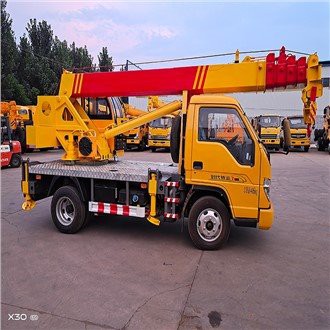
Hey there! As a supplier of marine cranes, I've seen firsthand the importance of a crane's maneuverability. It's not just about lifting heavy stuff; it's about doing it smoothly, quickly, and safely in the often-tough marine environment. In this blog, I'll share some tips on how to improve the maneuverability of a marine crane.
1. Choose the Right Crane Type
First off, picking the right type of marine crane is crucial. There are different kinds out there, like Offshore Crane and Hydro Crane. Each has its own features that can affect maneuverability.
Offshore cranes are designed for use in the open sea. They need to be stable and able to handle strong winds and waves. These cranes usually have a robust structure and advanced control systems that allow for precise movements. Their design often takes into account the dynamic forces at sea, which helps in better maneuverability.
Hydro cranes, on the other hand, are often used in more confined spaces, like harbors or near the shore. They are typically more compact and can be more easily adjusted to different working angles. Their hydraulic systems provide smooth and precise control, which is great for maneuvering in tight spots.
When choosing a crane, you need to consider the specific needs of your operation. If you're working in a large offshore area, an offshore crane might be the way to go. But if you're dealing with a lot of tight spaces and need quick, precise movements, a hydro crane could be a better choice.
2. Optimize the Crane's Structural Design
The structural design of a marine crane plays a huge role in its maneuverability. A well - designed crane will have a lower center of gravity, which makes it more stable and easier to control. For example, the base of the crane should be wide enough to provide good support, but not so wide that it becomes difficult to move around in limited spaces.
The boom length and shape also matter. A shorter boom might be more maneuverable in tight spaces, while a longer boom can reach further but might be more difficult to control, especially in windy conditions. Some modern cranes are designed with adjustable booms, which can be extended or retracted depending on the job requirements. This flexibility allows for better maneuverability in different situations.
Another aspect of the structural design is the use of lightweight materials. Using high - strength, lightweight metals can reduce the overall weight of the crane without sacrificing its strength. This not only makes the crane easier to move but also reduces the energy required to operate it.
3. Upgrade the Control Systems
The control systems of a marine crane are like the brain of the operation. Upgrading these systems can significantly improve maneuverability. Modern control systems use advanced sensors and software to provide real - time feedback on the crane's position, load, and movement.
For example, some cranes are equipped with joystick controls that allow for more precise and intuitive operation. The operator can use the joystick to move the crane in multiple directions with just a flick of the wrist. This is much more efficient than older, more complex control mechanisms.
In addition, automated control systems can be very useful. These systems can perform pre - programmed movements, such as lifting and lowering a load at a specific speed and angle. This not only improves maneuverability but also reduces the risk of human error.
Some control systems also have anti - sway technology. When a load is being lifted, it can sway due to wind or other factors. Anti - sway technology uses sensors to detect the sway and then adjusts the crane's movement to counteract it. This helps in keeping the load stable and makes it easier to maneuver the crane.
4. Regular Maintenance and Inspection
You can't expect a crane to perform well if it's not properly maintained. Regular maintenance and inspection are essential for ensuring good maneuverability.
First of all, the mechanical parts of the crane need to be lubricated regularly. This reduces friction between moving parts, which makes the crane move more smoothly. For example, the bearings, gears, and chains should be checked and lubricated according to the manufacturer's recommendations.
The hydraulic systems also need to be maintained. Hydraulic fluid should be changed at the right intervals, and the hoses and pumps should be inspected for leaks or damage. A well - maintained hydraulic system will provide consistent and smooth operation, which is crucial for maneuverability.
Electrical components, such as sensors and control circuits, should also be inspected regularly. Faulty electrical components can cause erratic movements or even lead to a complete breakdown of the crane. By keeping the electrical system in good condition, you can ensure that the crane operates as intended.
5. Train the Operators
No matter how good the crane is, if the operator doesn't know how to use it properly, the maneuverability will suffer. That's why proper training for operators is essential.
Operators should be trained on the specific features and functions of the crane they are using. They need to understand how to use the control systems, how to handle different types of loads, and how to operate the crane safely in different marine conditions.
Training should also include practical exercises. Operators should be given the opportunity to practice maneuvering the crane in different scenarios, such as lifting heavy loads, working in tight spaces, and dealing with adverse weather conditions. This hands - on experience will help them become more confident and skilled in operating the crane.
In addition, regular refresher courses should be provided to keep the operators up - to - date with the latest techniques and safety procedures. This will ensure that they can always operate the crane at its best, which in turn improves maneuverability.
6. Consider the Working Environment
The working environment has a big impact on the maneuverability of a marine crane. For example, wind, waves, and currents can all affect the crane's movement. In windy conditions, the crane might sway, making it more difficult to control. In rough seas, the waves can cause the crane to bounce, which can also affect its maneuverability.
When operating in adverse conditions, you need to take extra precautions. For example, you might need to reduce the load capacity of the crane to ensure its stability. You can also use additional stabilizing equipment, such as outriggers or counterweights, to improve the crane's stability.
The location of the operation also matters. If you're working in an area with a lot of obstacles, like other ships or structures, you need to be extra careful when maneuvering the crane. You might need to use additional guides or spotters to help you navigate around these obstacles safely.
7. Use Advanced Monitoring Technologies
Advanced monitoring technologies can provide valuable information about the crane's performance and help in improving maneuverability. For example, some cranes are equipped with cameras that can provide a real - time view of the working area. This allows the operator to see any potential obstacles or hazards and make better decisions when maneuvering the crane.
In addition, load monitoring systems can help in ensuring that the crane is not overloaded. Overloading a crane can not only damage the equipment but also make it more difficult to control. By monitoring the load, the operator can adjust the crane's movement accordingly to ensure safe and efficient operation.
Vibration monitoring systems can also be useful. These systems can detect any abnormal vibrations in the crane, which could indicate a problem with the structure or the mechanical components. By detecting these issues early, you can take corrective action before they affect the crane's maneuverability.
As a marine crane supplier, we understand that improving the maneuverability of your crane is essential for the success of your operation. If you're interested in learning more about our range of cranes or need advice on how to improve the maneuverability of your existing crane, we'd love to hear from you. Contact us to start a discussion about your specific needs and find the best solutions for your marine crane operations.


References
- Marine Crane Design and Operation Manuals
- Industry reports on marine crane technology advancements
- Studies on the impact of environmental factors on marine crane maneuverability