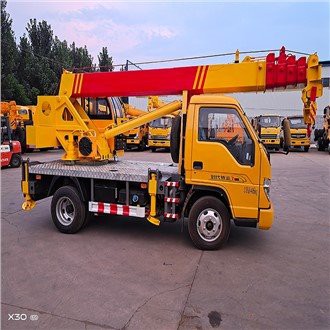
Operating a small truck crane can be a demanding task, especially when emergencies occur. As a supplier of Small Truck Crane, I understand the importance of being prepared for unforeseen situations. In this blog post, I will share some valuable insights on how to handle emergencies when operating a small truck crane.
Pre - operation Preparations
Before starting any crane operation, thorough pre - operation checks are essential. This includes inspecting the crane's mechanical components, hydraulic systems, and electrical wiring. A regular maintenance schedule should be in place to ensure that all parts are in good working condition. For example, check the hoist ropes for signs of wear and tear, and make sure the outriggers are stable and properly extended. By conducting these checks, many potential emergencies can be avoided.
Emergency Response Training
The operators of small truck cranes should receive comprehensive emergency response training. This training should cover a wide range of scenarios, such as equipment malfunctions, sudden weather changes, and accidents involving the crane. Training programs should include theoretical knowledge and practical exercises. For instance, operators should be taught how to shut down the crane safely in case of an electrical failure. They should also know how to use emergency stop buttons and other safety devices.
Handling Equipment Malfunctions
One of the most common emergencies in small truck crane operation is equipment malfunctions. If the hydraulic system fails, the operator should immediately stop the crane and avoid any further movement that could cause more damage. First, try to identify the source of the problem. It could be a leak in the hydraulic lines or a malfunctioning pump. If the problem can be fixed quickly and safely, the operator can attempt the repair. However, if the issue is complex, it is advisable to contact a professional maintenance team.
In case of a mechanical failure, such as a broken gear or a seized bearing, the crane should be immobilized. Do not attempt to force the crane to operate as this could lead to more severe damage. Instead, mark the area around the crane to prevent unauthorized access and ensure the safety of the surrounding environment.
Dealing with Weather - related Emergencies
Weather conditions can have a significant impact on the operation of small truck cranes. High winds, heavy rain, and lightning are some of the weather - related emergencies that operators may face.
In high - wind situations, the crane's stability is at risk. If the wind speed exceeds the recommended limit for the crane, the operation should be stopped immediately. Lower the boom and secure all loose parts. If possible, move the crane to a sheltered area. For example, if the crane is on a construction site, it can be parked near a large building.
Heavy rain can also cause problems, especially if the ground becomes soft and unstable. Before operating the crane in rainy conditions, check the ground conditions. If the ground is too soft, use additional support materials such as wooden planks under the outriggers to distribute the weight evenly.
Lightning is a serious threat. When lightning is detected in the area, operators should leave the crane and seek shelter immediately. Do not touch any metal parts of the crane during a thunderstorm.
Accidents and Collisions
Accidents can happen during small truck crane operation. If a collision occurs, the first priority is to ensure the safety of all personnel. Check for any injuries and provide first - aid if necessary. Then, stop the crane and assess the damage.
If the crane collides with another object, such as a building or a vehicle, do not move the crane until a detailed inspection has been carried out. Moving the crane could cause further damage or endanger the stability of the structure. Contact the relevant authorities and insurance companies as soon as possible.
Fire Emergencies
Fires can break out in small truck cranes due to electrical short - circuits, fuel leaks, or overheating components. In case of a fire, the operator should immediately shut off the engine to cut off the fuel supply. Use a suitable fire extinguisher to put out the fire. Different types of fires require different extinguishers, so make sure the operators are trained to use the right one. For example, electrical fires should be extinguished using a dry chemical or CO2 fire extinguisher.
If the fire cannot be controlled, evacuate the area immediately and call the fire department. Mark the location of the fire clearly to help the firefighters.


Communication and Coordination
During an emergency, effective communication is crucial. Operators should have a reliable means of communication, such as a mobile phone or a two - way radio. They should be able to contact their supervisors, maintenance teams, and emergency responders quickly.
In addition, coordination among different parties is also important. For example, on a construction site, the crane operator should communicate with other workers to ensure that the emergency response does not cause further disruptions. The supervisor should be responsible for coordinating the overall emergency response and making decisions on how to proceed.
Conclusion
Handling emergencies when operating a small truck crane requires proper preparation, training, and quick decision - making. By following the guidelines mentioned above, operators can minimize the risks associated with emergencies and ensure the safety of themselves and others.
As a supplier of Small Truck Crane, I am committed to providing high - quality equipment and supporting operators with the necessary information and training. We also offer other related products, such as Mini Crawler Crane and Diesel Three - wheeled Crane.
If you are interested in purchasing our products or have any questions about small truck crane operation and emergency handling, please feel free to contact us for procurement discussions. We look forward to working with you to meet your engineering needs.
References
- OSHA (Occupational Safety and Health Administration). Crane safety guidelines.
- National Institute for Occupational Safety and Health (NIOSH). Research on crane operation and safety.
- Crane Manufacturers Association of America (CMAA). Standards for crane operation and emergency response.