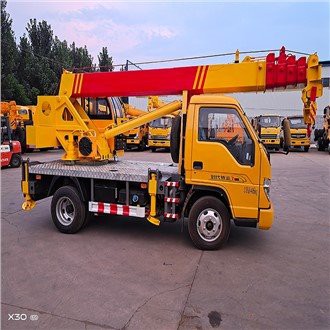
Hey there! If you're in the market for a hydraulic mobile crane or you're already a proud owner, understanding how to properly extend and retract the jib is super important. And lucky for you, I'm from a hydraulic mobile crane supplier, so I've got all the insider knowledge to share.
The Basics of a Hydraulic Mobile Crane Jib
Let's start with what the jib actually is. The jib is an extension of the crane's boom. It gives the crane more reach and height, allowing it to lift loads in places that would be out of reach for just the boom alone. Most hydraulic mobile cranes have a telescopic jib, which means it can be made longer or shorter as needed.
Before we get into the nitty - gritty of extending and retracting, there are a few safety rules that you should always follow. First off, make sure the crane is set up on a stable surface. Uneven ground can cause the crane to tip over, and that's a serious no - no. Also, check all the hydraulic hoses and connections for any signs of wear or leaks. Leaking hydraulic fluid can not only cause the crane to malfunction but also pose a fire hazard.
Extending the Jib
The process of extending the jib is controlled by the hydraulic system of the crane. Here's a step - by - step guide on how to do it:
-
Prepare the Crane:
- Make sure the crane is in a safe and stable position. The outriggers should be fully extended and properly balanced.
- Check the load chart for the crane. This chart will tell you the maximum length of the jib you can use for a given load and boom configuration. You don't want to overload the crane, as that can lead to structural failure.
-
Activate the Hydraulic System:
- Most modern hydraulic mobile cranes have a control panel in the cab. Locate the controls for the jib extension. This is usually a set of joysticks or valves.
- Start the crane's engine and let it warm up for a few minutes. This ensures that the hydraulic fluid is at the right temperature and viscosity for optimal performance.
-
Extend the Jib:
- Slowly move the control for the jib extension. You'll notice that the jib starts to slide out gradually. Keep an eye on the jib's movement and make sure it's extending evenly.
- As the jib extends, the crane's center of gravity will change. You need to be aware of this and adjust the outriggers if necessary to maintain stability.
- Stop extending the jib when you reach the desired length. Refer to the load chart and your specific lifting requirements.
It's important to note that different models of hydraulic mobile cranes may have slightly different procedures for extending the jib. Always refer to the operator's manual for your specific crane.
Retracting the Jib
Retracting the jib is basically the reverse process of extending it, but there are still some key points to keep in mind.
-
Prepare for Retraction:


- First, make sure there are no obstacles in the way of the jib as it retracts. This includes any loads that might be hanging from the jib or other equipment in the vicinity.
- Check the hydraulic system again. Make sure there are no signs of overheating or unusual noises.
-
Activate the Retraction Controls:
- Go back to the control panel in the cab and locate the controls for jib retraction.
- Slowly move the control to start retracting the jib. You'll see the jib start to slide back into the main boom.
- As the jib retracts, the crane's center of gravity will shift back again. Be ready to adjust the outriggers if needed to keep the crane stable.
-
Complete the Retraction:
- Keep retracting the jib until it's fully back inside the main boom.
- Once the jib is fully retracted, turn off the controls and engine if you're done using the crane.
Why Proper Jib Extension and Retraction Matters
Correctly extending and retracting the jib is crucial for several reasons. Firstly, it ensures the safety of the operators and anyone in the vicinity of the crane. An improperly extended or retracted jib can cause the crane to become unstable, leading to accidents.
Secondly, it helps to maintain the longevity of the crane. When the jib is extended and retracted correctly, it reduces wear and tear on the hydraulic system, the jib itself, and other components of the crane. This means fewer repairs and less downtime, which is great for your bottom line.
Our Hydraulic Mobile Crane Offerings
As a hydraulic mobile crane supplier, we offer a wide range of cranes to meet different needs. If you're looking for a more compact option, you might be interested in our Small Truck Crane. It's perfect for smaller job sites where space is limited.
For those who need a bit more power and mobility, our Diesel Truck Mounted Crane With Three Wheels is a great choice. It combines the power of a diesel engine with the maneuverability of a three - wheel design.
And if you're in the market for something unique, check out our Diesel Three - wheeled Crane. It's a specialized crane that can handle some pretty tough jobs.
Contact Us for More Information
If you have any questions about our hydraulic mobile cranes, or you want to learn more about jib extension and retraction, don't hesitate to reach out. Contact us to start a conversation about your specific needs and how we can help you find the perfect crane for your projects. Whether you're a construction company, a rental business, or an individual contractor, we're here to assist you every step of the way.
References
- Crane Operator's Manuals
- Industry Standards for Hydraulic Mobile Cranes