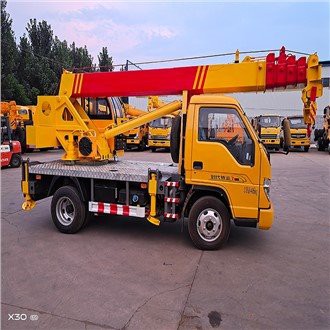
As a seasoned supplier of offshore cranes, I understand the paramount importance of quality control during the manufacturing process. Offshore cranes operate in some of the most challenging environments on the planet, facing extreme weather conditions, corrosive saltwater, and heavy workloads. Ensuring the highest quality is not just a matter of meeting industry standards; it's about guaranteeing the safety and efficiency of offshore operations. In this blog, I'll share some key strategies to ensure quality control during the manufacturing of an offshore crane.


1. Design and Engineering Excellence
The foundation of a high - quality offshore crane lies in its design and engineering. Our team of experienced engineers uses the latest computer - aided design (CAD) software to create detailed 3D models of the crane. This allows us to visualize the entire structure, identify potential design flaws, and make necessary adjustments before the manufacturing process begins.
We also conduct in - depth stress analysis and simulations to ensure that the crane can withstand the forces it will encounter during operation. For example, we simulate the lifting of heavy loads at various angles and under different sea conditions. By analyzing the stress distribution in the crane's components, we can optimize the design to prevent failures and ensure long - term reliability.
In addition, we keep up with the latest industry trends and technological advancements. This includes incorporating features such as advanced control systems, energy - efficient components, and improved safety mechanisms. For instance, our new generation of offshore cranes is equipped with intelligent control systems that can automatically adjust the lifting parameters based on the load and environmental conditions, enhancing both safety and efficiency.
2. Material Selection and Inspection
The choice of materials is crucial for the quality of an offshore crane. We source high - quality materials from reputable suppliers who meet strict quality standards. For the structural components of the crane, we typically use high - strength steel that can resist corrosion and fatigue.
Before the materials are used in the manufacturing process, we conduct a thorough inspection. This includes checking the material's chemical composition, mechanical properties, and surface finish. We use advanced testing equipment such as spectrometers to analyze the chemical composition of the steel and ensure that it meets our specifications. We also perform tensile tests, hardness tests, and impact tests to verify the mechanical properties of the materials.
In addition, we have a strict inventory management system to ensure that the materials are stored properly. This helps to prevent damage and corrosion during storage, which could affect the quality of the final product.
3. Manufacturing Process Control
During the manufacturing process, we implement a comprehensive quality control system. Each step of the manufacturing process is carefully monitored and documented to ensure that it meets the design specifications.
We use advanced manufacturing techniques such as precision machining, welding, and assembly. For example, our welding process is carried out by certified welders who follow strict welding procedures. We use automated welding equipment to ensure consistent weld quality, and we perform non - destructive testing such as ultrasonic testing and X - ray testing to detect any internal defects in the welds.
In the assembly process, we have a dedicated team that follows a detailed assembly plan. Each component is carefully installed and aligned to ensure proper functionality. We also conduct regular inspections during the assembly process to identify and correct any issues early on.
4. Testing and Commissioning
Once the offshore crane is assembled, it undergoes a series of rigorous tests and commissioning procedures. We conduct load testing to verify the crane's lifting capacity and stability. This involves lifting various loads at different heights and angles to ensure that the crane can operate safely under real - world conditions.
We also test the crane's control systems, safety features, and other components. For example, we test the emergency stop system to ensure that it can quickly and effectively stop the crane in case of an emergency. We also test the anti - collision system to prevent collisions with other equipment on the offshore platform.
After the testing is completed, we conduct a commissioning process to ensure that the crane is ready for operation. This includes training the operators on how to use the crane safely and efficiently, and providing them with the necessary documentation and maintenance manuals.
5. Quality Management System
We have established a comprehensive quality management system that complies with international standards such as ISO 9001. This system covers all aspects of our business, from design and engineering to manufacturing, testing, and after - sales service.
Our quality management system includes regular internal audits and management reviews to ensure that our processes are continuously improving. We also encourage feedback from our customers and use it to identify areas for improvement.
In addition, we have a dedicated quality control department that is responsible for overseeing the entire quality control process. This department works closely with other departments such as engineering, manufacturing, and sales to ensure that quality is maintained at every stage of the project.
6. Continuous Improvement
Quality control is an ongoing process, and we are committed to continuous improvement. We regularly review our quality control procedures and make adjustments based on new technologies, industry standards, and customer feedback.
We also invest in research and development to improve the design and performance of our offshore cranes. For example, we are currently working on developing new materials and manufacturing processes that can further enhance the quality and reliability of our cranes.
In addition, we participate in industry conferences and training programs to stay updated on the latest trends and best practices in quality control. This allows us to share our experiences with other industry professionals and learn from their successes and failures.
Conclusion
Ensuring quality control during the manufacturing of an offshore crane is a complex but essential task. By focusing on design and engineering excellence, material selection and inspection, manufacturing process control, testing and commissioning, quality management systems, and continuous improvement, we can produce high - quality offshore cranes that meet the demanding requirements of the offshore industry.
If you are in the market for an offshore crane, or if you have any questions about our quality control processes, please feel free to contact us. We are always happy to discuss your specific needs and provide you with the best solutions. We also offer a range of related products such as Small Truck Crane, Spider Crane, and 16 Ton Truck Mounted Crane. Our team of experts is ready to assist you in making the right choice for your project.
References
- ASME B30.5 - Safety Standard for Mobile and Locomotive Cranes
- ISO 9001:2015 - Quality Management Systems - Requirements
- DNV - GL Standards for Offshore Cranes