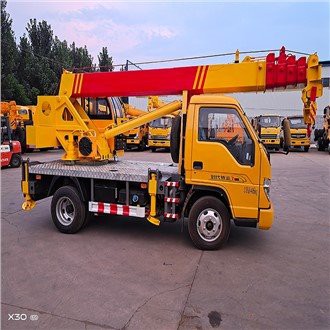
Offshore cranes are crucial pieces of equipment in the maritime and offshore industries, used for a wide range of tasks such as loading and unloading cargo, installing offshore structures, and conducting maintenance operations. One of the key aspects of operating an offshore crane effectively is the ability to adjust its lifting height. As an offshore crane supplier, I understand the importance of this skill and the factors that need to be considered. In this blog, I will share some insights on how to adjust the lifting height of an offshore crane.

Understanding the Basics of Offshore Crane Lifting Height
Before diving into the adjustment methods, it's essential to understand the basic components that affect the lifting height of an offshore crane. An offshore crane typically consists of a boom, a hoist system, and a control mechanism. The boom is the long, extendable arm of the crane that provides the reach and height for lifting operations. The hoist system is responsible for raising and lowering the load, and the control mechanism allows the operator to manipulate the crane's movements.
The lifting height of an offshore crane is determined by several factors, including the length of the boom, the angle of the boom, and the capacity of the hoist system. The longer the boom, the greater the potential lifting height. However, the angle of the boom also plays a significant role. As the boom is raised to a steeper angle, the effective lifting height increases. The hoist system's capacity limits the maximum weight that can be lifted at a given height.

Factors to Consider Before Adjusting the Lifting Height
Adjusting the lifting height of an offshore crane is not a simple task and requires careful consideration of several factors. Here are some key factors to keep in mind:
- Load Capacity: The load capacity of the crane is directly related to the lifting height. As the lifting height increases, the crane's load capacity decreases. It's crucial to ensure that the load being lifted does not exceed the crane's rated capacity at the desired height.
- Environmental Conditions: Offshore operations are often subject to harsh environmental conditions such as wind, waves, and currents. These conditions can affect the stability of the crane and the load. Before adjusting the lifting height, it's important to assess the environmental conditions and ensure that they are within the crane's operating limits.
- Obstacles and Clearances: There may be obstacles or clearances in the vicinity of the crane that need to be considered. For example, there may be other structures, vessels, or overhead power lines that could interfere with the crane's operation. Make sure to have a clear understanding of the surrounding environment and plan the lifting operation accordingly.
- Crane Configuration: The configuration of the crane, including the type of boom, the number of sections, and the attachment of any additional equipment, can also affect the lifting height. Different crane configurations have different lifting capabilities, so it's important to choose the right configuration for the job.
Methods for Adjusting the Lifting Height
There are several methods for adjusting the lifting height of an offshore crane, depending on the type of crane and the specific requirements of the operation. Here are some common methods:
- Boom Extension: One of the most straightforward ways to increase the lifting height is to extend the boom. Most offshore cranes are equipped with telescopic booms that can be extended or retracted as needed. By extending the boom, the crane can reach greater heights. However, it's important to note that extending the boom also reduces the crane's load capacity, so this method should be used with caution.
- Boom Angle Adjustment: Adjusting the angle of the boom is another effective way to change the lifting height. By raising the boom to a steeper angle, the effective lifting height increases. Conversely, lowering the boom angle reduces the lifting height. The boom angle can be adjusted using the crane's control mechanism, which allows the operator to tilt the boom up or down.
- Hoist System Operation: The hoist system is responsible for raising and lowering the load. By operating the hoist system, the operator can directly control the lifting height. Most hoist systems are equipped with a winch that winds and unwinds a cable or chain to lift or lower the load. The speed and direction of the hoist system can be adjusted using the control mechanism.
- Use of Auxiliary Equipment: In some cases, auxiliary equipment such as a jib or a luffing boom can be used to increase the lifting height. A jib is a small, secondary boom that can be attached to the end of the main boom to provide additional reach and height. A luffing boom is a boom that can be raised and lowered independently of the main boom, allowing for greater flexibility in adjusting the lifting height.
Step-by-Step Guide to Adjusting the Lifting Height
Here is a step-by-step guide to adjusting the lifting height of an offshore crane:

- Pre-Operation Inspection: Before starting any lifting operation, conduct a thorough pre-operation inspection of the crane. Check for any signs of damage or wear, ensure that all safety devices are functioning properly, and verify that the crane is properly configured for the job.
- Determine the Required Lifting Height: Based on the specific requirements of the operation, determine the required lifting height. Consider factors such as the height of the load, the clearance above the load, and the location of the lifting point.
- Select the Appropriate Method: Depending on the type of crane and the specific requirements of the operation, select the appropriate method for adjusting the lifting height. This may involve extending the boom, adjusting the boom angle, operating the hoist system, or using auxiliary equipment.
- Make the Necessary Adjustments: Using the crane's control mechanism, make the necessary adjustments to the boom, the hoist system, or the auxiliary equipment to achieve the desired lifting height. Take your time and make small adjustments as needed to ensure accuracy.
- Verify the Lifting Height: Once the adjustments have been made, verify the lifting height using a measuring device such as a laser level or a tape measure. Make any additional adjustments as necessary to ensure that the lifting height is within the required range.
- Conduct a Test Lift: Before lifting the actual load, conduct a test lift to ensure that the crane is operating properly and that the lifting height is correct. Lift a small, representative load to the desired height and check for any signs of instability or abnormal operation.
- Perform the Lifting Operation: Once the test lift has been successful, proceed with the actual lifting operation. Follow all safety procedures and guidelines, and monitor the crane's operation closely to ensure a safe and successful lift.
Importance of Proper Training and Certification
Adjusting the lifting height of an offshore crane requires specialized knowledge and skills. It's essential that crane operators receive proper training and certification to ensure that they are qualified to operate the equipment safely and effectively. Training programs should cover topics such as crane operation, safety procedures, load capacity calculations, and environmental considerations.
In addition to training, crane operators should also be certified by a recognized organization such as the National Commission for the Certification of Crane Operators (NCCCO). Certification ensures that operators have the necessary knowledge and skills to operate the crane safely and in compliance with industry standards.
Conclusion
Adjusting the lifting height of an offshore crane is a critical skill that requires careful consideration of several factors. By understanding the basics of offshore crane lifting height, considering the factors that affect the lifting height, and using the appropriate methods for adjustment, crane operators can ensure a safe and successful lifting operation.
As an offshore crane supplier, we offer a wide range of high-quality offshore cranes, including Truck-mounted Crane Track, Mini Caterpillar Crane, and Marine Crane. Our cranes are designed to meet the specific needs of the offshore industry and are equipped with advanced features and technologies to ensure safe and efficient operation.
If you are in the market for an offshore crane or need assistance with adjusting the lifting height of your existing crane, please don't hesitate to contact us. Our team of experts is available to provide you with the information and support you need to make the right decision. We look forward to working with you to meet your offshore crane needs.
References
- American Society of Mechanical Engineers (ASME). (2018). B30.5 - Mobile and Locomotive Cranes.
- International Maritime Organization (IMO). (2010). Code of Safety for Special Purpose Ships.
- National Commission for the Certification of Crane Operators (NCCCO). (2021). Crane Operator Certification Manual.