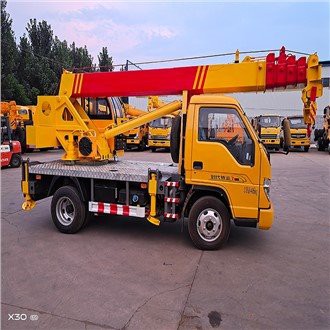
Hey there, fellow crane enthusiasts! As a supplier of hydraulic mobile cranes, I often get asked this burning question: How often should a hydraulic mobile crane be maintained? Well, let's dive right into it and break down the factors that determine the maintenance frequency.
First off, it's crucial to understand that the maintenance schedule of a hydraulic mobile crane isn't a one - size - fits - all deal. It depends on various things like how often you use the crane, the working conditions it's exposed to, and the manufacturer's recommendations.
Usage Frequency
If you're using your hydraulic mobile crane on a daily basis in a busy construction site, it's going to need more maintenance compared to a crane that just sits around for most of the time. Let me tell you, constant use puts a lot of stress on the crane's components. The hydraulic system, for example, is constantly under pressure during lifting operations. All that wear and tear can lead to leaks, reduced efficiency, and even system failures if not addressed.
For a crane that's in use almost every day, I'd recommend a thorough inspection at least once a week. This should include checking the hydraulic hoses for any signs of damage or wear, looking at the fluid levels, and making sure the filters are clean. A monthly in - depth maintenance session with a professional mechanic is also a good idea. During this monthly check, they can test the crane's load - bearing capacity, examine the electrical systems, and perform any necessary adjustments.
On the other hand, if your crane is used only occasionally, say, a few times a month, a bi - weekly inspection should be sufficient. You can still do a basic visual check yourself before each use, looking for any obvious signs of problems like loose parts or leaks. But a more comprehensive inspection every two weeks will catch those hidden issues that could lead to bigger problems down the line.
Working Conditions
The environment in which the crane operates plays a huge role in determining its maintenance needs. If you're using your hydraulic mobile crane in a harsh, dirty environment, like a mining site or a coastal area, it's going to face more challenges.
In a dusty or dirty environment, the crane's filters can get clogged quickly. Clogged filters restrict the flow of hydraulic fluid, which can cause the system to overheat and wear out faster. So, in these conditions, it's important to check and clean the filters more frequently. I'd suggest checking them every week and replacing them every month or as recommended by the manufacturer.
Coastal areas bring their own set of problems. The saltwater in the air is highly corrosive. It can eat away at the crane's metal components, especially the hydraulic cylinders and the structural frame. For cranes in coastal regions, a daily visual inspection for signs of rust is a must. You should also apply a corrosion - resistant coating regularly, perhaps every three months. And a more in - depth maintenance check that focuses on corrosion prevention should be done every two months.
Manufacturer's Recommendations
The crane's manufacturer knows their product better than anyone else. They provide detailed maintenance schedules in the user manual. These schedules are based on extensive testing and research to ensure the optimal performance and longevity of the crane.
When you buy a hydraulic mobile crane from us, we always hand over the user manual with clear instructions on how often different parts need to be maintained. For instance, the manufacturer might recommend changing the hydraulic oil every 500 operating hours for a specific model. Or they might say that the brake pads need to be inspected every 300 hours of use. It's really important to follow these guidelines as closely as possible. Ignoring them can void the warranty and might lead to premature failure of the crane.
Specific Components and Their Maintenance Frequency
Let's talk about some of the key components of a hydraulic mobile crane and how often they should be maintained.
- Hydraulic System: As I mentioned before, the hydraulic system is the heart of the crane. The hydraulic fluid needs to be changed at regular intervals. Typically, for normal use, changing the hydraulic fluid every 1000 hours of operation is a good rule of thumb. But in harsh conditions, you might need to do it more often, maybe every 500 hours. The hydraulic hoses should be inspected weekly for any signs of cracking, bulging, or leaks.
- Lifting Mechanism: The lifting mechanism, including the winches and cables, should be inspected at least once a week. Check the cables for any signs of fraying or damage. Lubricate the winches regularly to ensure smooth operation. Every month, have a professional check the braking system of the lifting mechanism to make sure it's functioning properly.
- Tires and Undercarriage: For a mobile crane, the tires and undercarriage are crucial. Check the tire pressure daily before use. Inspect the tires for any cuts or uneven wear. The undercarriage should be inspected weekly for loose bolts, damaged parts, or signs of excessive wear. Every three months, have a full alignment check done to ensure the crane moves smoothly.
Importance of Regular Maintenance
Regular maintenance isn't just about keeping the crane in good working condition; it's also about safety. A poorly maintained crane can be a serious hazard on the job site. For example, a leak in the hydraulic system can cause a sudden loss of lifting power, which could lead to a dropped load and potentially injure workers.
Moreover, a well - maintained crane is more efficient. It consumes less fuel, performs better, and has a longer lifespan. This means less downtime for repairs and more money in your pocket in the long run.
Our Range of Hydraulic Mobile Cranes
If you're in the market for a new hydraulic mobile crane, we've got some great options for you. Check out our Mini Size Truck Crane which is perfect for smaller job sites where space is limited. Our Ship Crane is designed to handle the tough conditions of the shipping industry. And for those marine applications, we have the Marine Crane that's built to last in the harsh sea environment.
Reach Out for More
If you have any questions about our hydraulic mobile cranes or need more information on maintenance schedules, don't hesitate to reach out to us. We're here to help you make the best choice for your business and keep your cranes running smoothly.


References
- Crane Manufacturer's User Manuals
- Construction Equipment Maintenance Guides
- Industry Standards for Crane Safety and Maintenance